Introduction
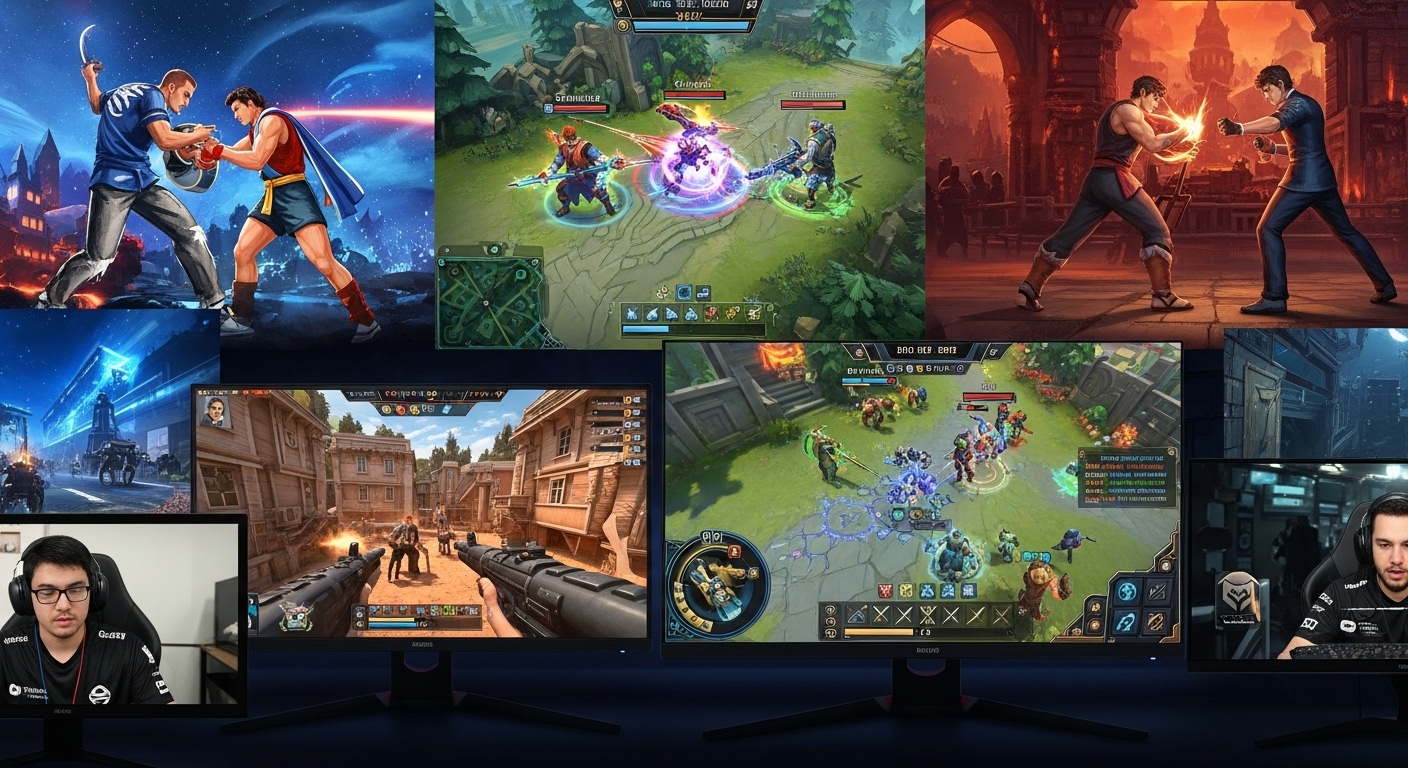
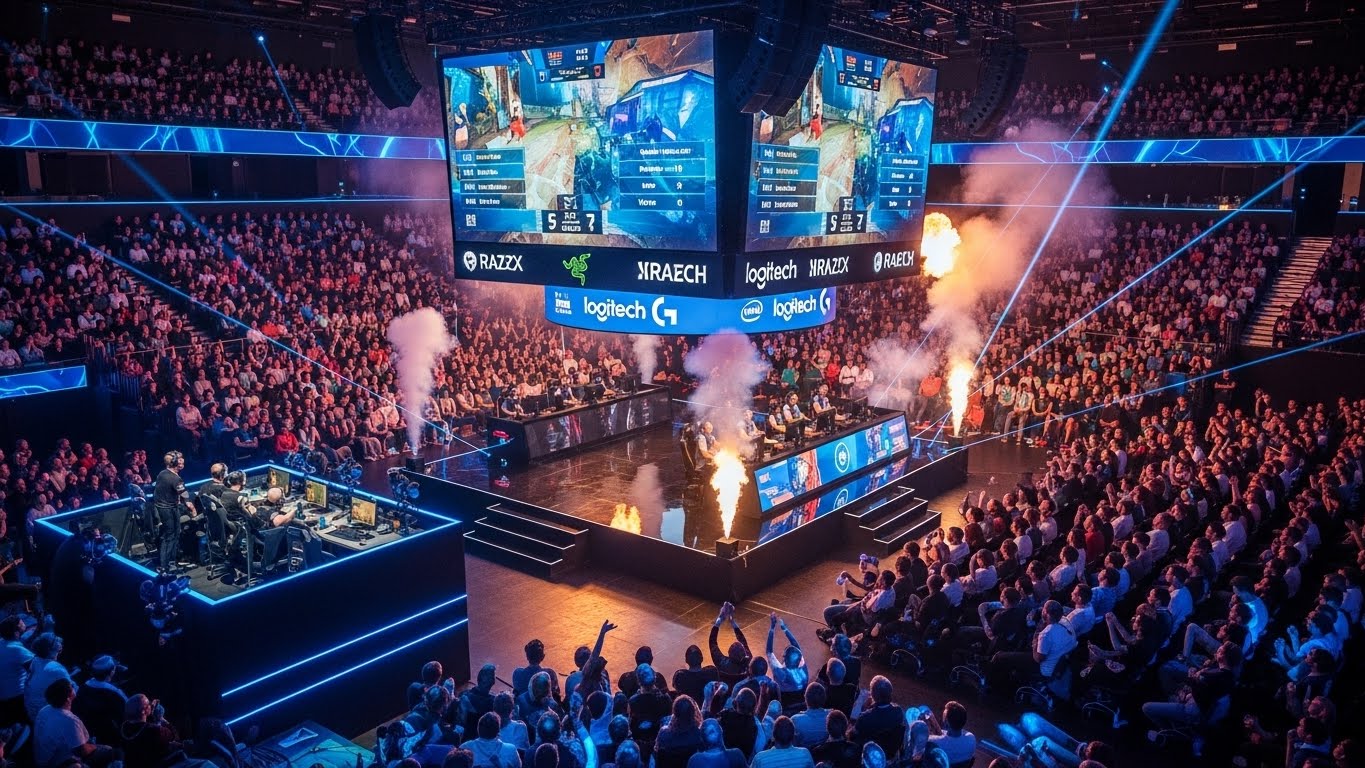
Esports, or competitive gaming, has grown from a niche hobby into a global phenomenon that captivates millions of players and fans around the world. Once considered a pastime for enthusiasts who spent countless hours in front of their screens, esports has now transformed into a professional industry complete with tournaments, sponsorships, and lucrative careers. The rapid evolution of esports highlights a shift in how people view gaming—not just as a recreational activity but as a legitimate sport capable of uniting communities, driving innovation, and shaping cultural trends.
The Origins of Esports
Esports did not appear overnight; it evolved gradually from early video game competitions. In the 1970s and 1980s, arcade tournaments were the first platforms where gamers could test their skills against one another. These competitions were small and local, often taking place in arcades or community centers, but they laid the foundation for competitive gaming. The rise of home consoles and personal computers in the 1990s expanded the reach of gaming and introduced organized competitions such as the Red Annihilation tournament for Quake, which became a milestone in esports history. These early tournaments demonstrated the potential for competitive gaming to engage audiences and cultivate talent.
The Explosion of Online Gaming
The 2000s marked a turning point for esports with the advent of online gaming. Internet connectivity allowed players from different regions to compete in real time, dramatically increasing the scale and scope of competitions. Games like StarCraft, Counter-Strike, and World of Warcraft attracted massive communities and gave rise to professional teams. Online streaming platforms further amplified the visibility of esports, allowing fans to watch live competitions from anywhere in the world. This combination of online accessibility and spectator engagement laid the groundwork for esports to become a global industry.
Esports as a Career
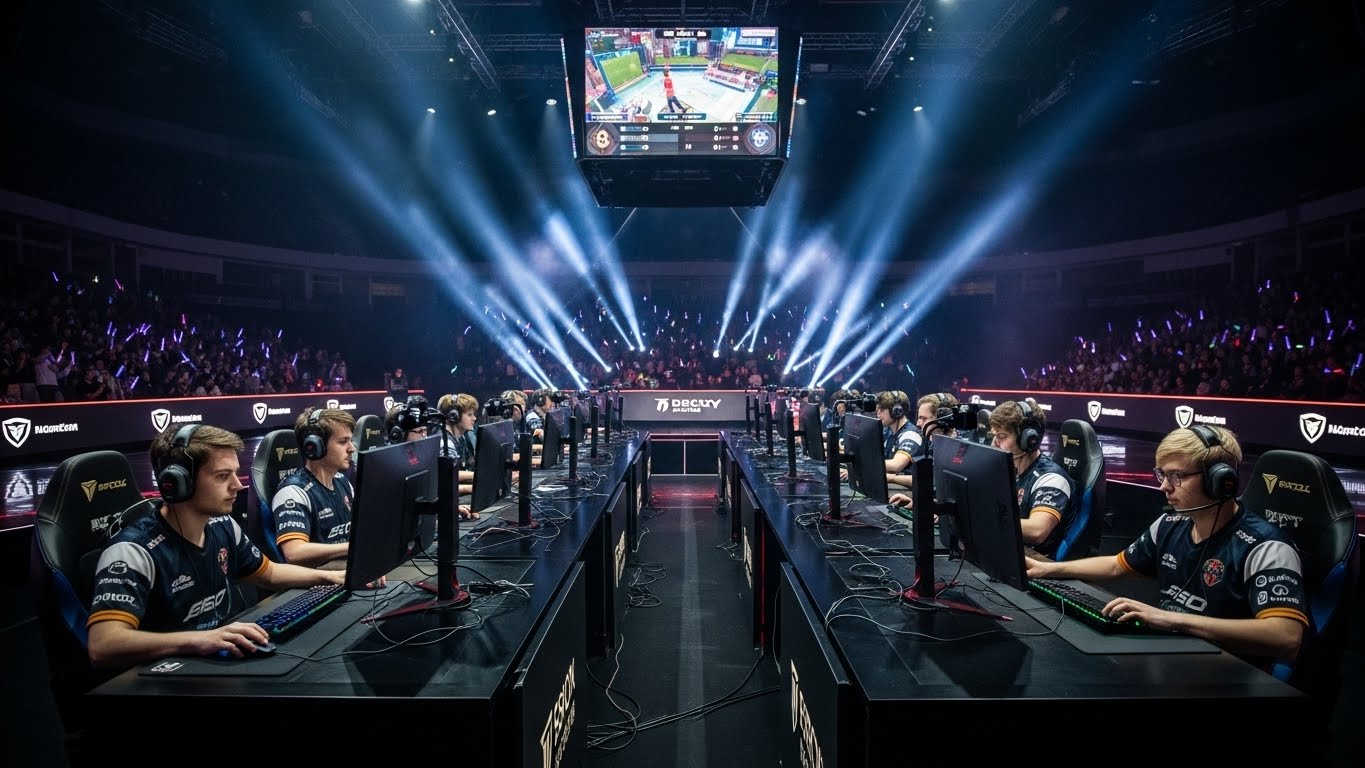
For many, esports is no longer just a hobby—it is a viable career path. Professional gamers train rigorously, often dedicating six to twelve hours a day to improve their skills, strategize with teammates, and study opponents. Top-tier players can earn substantial income through tournament prizes, sponsorships, and streaming revenue. Beyond players, esports also offers career opportunities in coaching, content creation, event management, and broadcasting. This diversification of roles underscores the professionalization of esports and its growing legitimacy as a career option comparable to traditional sports.
The Global Esports Landscape
Esports is now a worldwide phenomenon, with major competitions held across continents. In Asia, games like League of Legends and Dota 2 dominate, drawing millions of spectators and generating significant revenue. North America and Europe have thriving esports ecosystems with major tournaments, well-established professional leagues, and high-profile sponsorship deals. Latin America, the Middle East, and Africa are emerging markets, reflecting the universal appeal of competitive gaming. The global nature of esports has created a diverse and interconnected community that transcends geographical boundaries and cultural differences.
The Role of Technology in Esports
Technology plays a crucial role in the growth of esports. High-speed internet, advanced gaming hardware, and sophisticated software have enabled seamless online competition and immersive gameplay experiences. Live streaming platforms have revolutionized how fans engage with esports, providing real-time access to tournaments, behind-the-scenes content, and interactive features. Moreover, advancements in artificial intelligence and analytics are helping teams refine strategies, evaluate performance, and identify new talent. Technology not only supports the operational side of esports but also enhances the spectator experience, making it more dynamic and interactive.
Esports and Community Building
One of the most compelling aspects of esports is its ability to foster communities. Fans and players come together to share strategies, celebrate victories, and participate in discussions about their favorite games. Online forums, social media groups, and local gaming clubs provide spaces for interaction, collaboration, and mentorship. These communities create a sense of belonging and identity, allowing individuals to connect over shared interests and passions. The social dimension of esports contributes significantly to its popularity and cultural impact, making it more than just a competitive pursuit.
The Economic Impact of Esports
The economic significance of esports cannot be overstated. The industry generates billions of dollars annually through tournament prizes, advertising, sponsorship deals, merchandise sales, and media rights. Major brands recognize the marketing potential of esports, targeting younger audiences through in-game promotions and sponsorships of professional teams. Additionally, esports events stimulate local economies by attracting tourism, creating jobs, and boosting demand for hospitality services. The financial growth of esports demonstrates its sustainability and potential to rival traditional sports industries in both revenue and cultural influence.
Challenges Facing Esports
Despite its rapid growth, esports faces several challenges. One significant concern is player health, as long hours of gaming can lead to physical and mental health issues such as repetitive strain injuries, eye strain, and burnout. Another challenge is the perception of esports as a “real sport,” which still encounters skepticism from traditional sports enthusiasts and institutions. Regulatory and governance issues also pose obstacles, including tournament standardization, player contracts, and cheating prevention. Addressing these challenges is essential to ensure the long-term sustainability and credibility of esports.
The Future of Esports
The future of esports looks promising, with continued growth expected in audience size, investment, and technological innovation. Virtual reality and augmented reality could redefine gameplay, creating new ways for players to compete and fans to engage. Mobile gaming is expanding the reach of esports, making competitive gaming accessible to people who do not own high-end PCs or consoles. Additionally, integration with mainstream entertainment, such as collaborations with music, movies, and traditional sports, could further elevate esports’ cultural presence. As the industry evolves, esports is likely to continue blurring the lines between gaming, entertainment, and professional sports.
Conclusion
Esports has come a long way from its humble beginnings in arcades and local competitions. Today, it represents a thriving industry that combines technology, entertainment, and competition on a global scale. The growth of esports highlights its cultural significance, economic potential, and ability to bring people together across the world. While challenges remain, the industry’s resilience and adaptability suggest that esports will continue to redefine how we view sports, entertainment, and community in the digital age. Competitive gaming is no longer just a pastime—it is a dynamic, professional, and influential force shaping the future of entertainment.