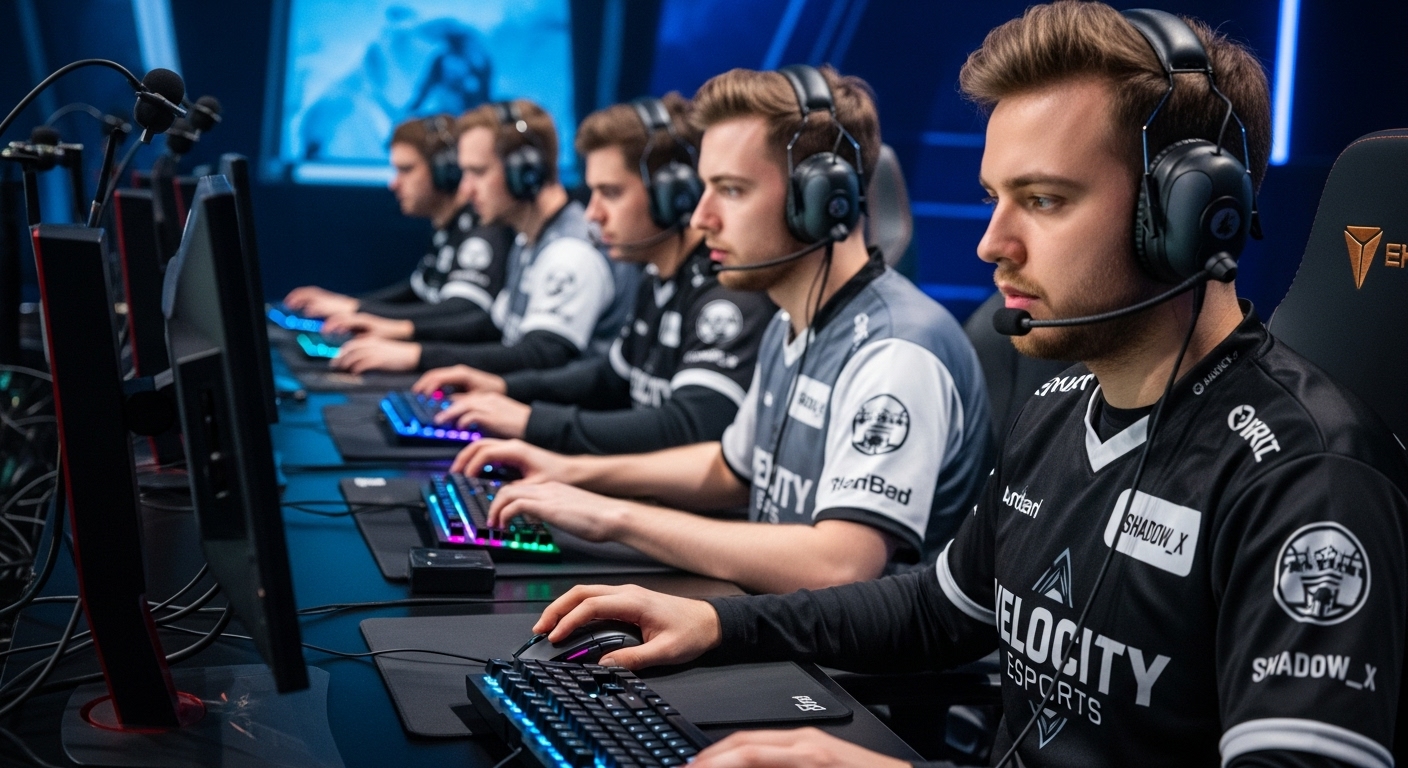
Introduction to the World of Esports
Picture millions of players with controllers, keyboards, and headsets forming a digital universe so vast that entire arenas echo with their victories. This is Esports, where digital dreams are treated as seriously as traditional sports championships. What once started as friendly gaming sessions in living rooms has evolved into an international phenomenon filled with sponsorships, superstars, and stadium lights that blaze with the intensity of competition.
Esports is not merely about playing games. It is a culture and a lifestyle, a rapidly growing sport driven by passion, technology, and an audience spanning every continent. Today, teams sign professional players to multi-million dollar contracts. Collegiate Esports scholarships compete with mainstream athletic programs. Corporations invest in gaming infrastructure to support an industry that seems to grow stronger each year.
To understand the colossal rise of Esports, we must take a journey into its origins, explore its growth, and uncover its global impact on business, entertainment, and society.
The Origins of Competitive Gaming
Long before championship trophies were presented under spotlights, gamers tested their skills on arcade cabinets. The earliest records of organized competitive gaming trace back to the 1970s when players gathered at arcades to challenge high scores in games like Space Invaders. Winning meant gaining bragging rights and maybe getting your initials engraved on the leaderboard.
As home computers and consoles entered households throughout the 1980s and 1990s, the landscape changed. LAN parties became a new battleground where games like Doom and Quake forged a new level of multiplayer rivalry. Although internet connections were slow and unreliable, players still found ways to connect through the digital fog, sparking the earliest versions of online gaming communities.
The turning point arrived when the internet improved, allowing global competitions. Then came the late 1990s and early 2000s, the golden birth of Esports as we know it. Titles like Counter Strike, Warcraft, and StarCraft carved new global competitive cultures. South Korea emerged as a powerhouse, elevating gamers to celebrity status and pioneering Esports broadcast television.
A once underground hobby had now secured its ticket to mainstream recognition.
The Blossoming of Professional Esports Leagues
Fast forward to today and you will find polished leagues resembling those of the NBA or Premier League. Players wear uniforms. Teams hire managers, nutritionists, and performance analysts. Dedicated training facilities rival those of traditional sports organizations. The word “gamer” no longer implies someone sitting lazily at home. Instead, it reflects an athlete who trains mentally and physically.
Major Esports leagues grew rapidly as games gained massive player bases:
• MOBAs like League of Legends and Dota 2 became global titans.
• First person shooters such as Counter Strike Global Offensive and Valorant continue electrifying arenas.
• Battle royales like Fortnite and PUBG revolutionized large scale tactical play.
• Fighting games retain loyal grassroots communities celebrating titles like Street Fighter and Tekken.
In these leagues, strategy meets lightning reflexes. Every match feels like a high speed chess game fueled by adrenaline. Fans stream matches live, cheering for nail biting comebacks, clutch plays, and underdogs who rise to legendary status.
The Economic Superpower Behind Esports
Esports is not only entertainment. It has become a thriving business. Global revenues reach billions of dollars annually. Sponsorships from major brands fill team jerseys. Advertisers and investors chase after the young, highly engaged audience that Esports commands.
Several industries benefit from Esports growth:
• Streaming platforms attract massive viewership.
• Gaming hardware companies sell high performance equipment.
• Event organizers host blockbuster tournaments.
• Media networks secure broadcasting rights.
• Universities launch Esports degrees and development programs.
For many players, gaming is no longer just a hobby. It is a professional career path. Prize pools for certain championships soar into the tens of millions. Some of the highest paid players earn income through streaming, sponsorships, and merchandise alongside tournament winnings.
Esports has evolved into a global marketplace of opportunities where creativity and competition collide in digital fireworks.
Esports as a Cultural Movement
The cultural footprint of Esports stretches far beyond gaming screens. It influences fashion, music, social communities, and even language. Memes, catchphrases, and inside jokes travel rapidly across online platforms. Fan bases form tight communities sharing strategies and celebrating victories together.
Traditional sports legends now collaborate with gaming icons. Music artists perform at Esports championship openings. Movie stars invest in gaming organizations. The boundaries between entertainment industries are blending like colors in a digital sunset.
Esports encourages participation from players of different ages, backgrounds, and abilities. Unlike physical sports where height or strength often determines potential, Esports opens doors for nearly everyone. What matters most are skills, consistency, and the hunger to improve.
Young fans see gamers not just as players but as role models who prove that dedication in any field can lead to success.
Technology Powering the Esports Universe
Esports would not exist without the constant advancement of technology. Internet speeds, graphics performance, and streaming platforms unlock new gaming capabilities every year.
Innovations shaping Esports include:
• Virtual reality expansions promising fully immersive competition
• Artificial intelligence used in performance analytics
• Cloud gaming environments allowing accessibility on any device
• Social streaming integration connecting players and fans in real time
The heartbeat of Esports lies in connectivity. Every improvement in technology strengthens its pulse and expands its reach. It becomes easier for gamers anywhere to find teammates, practice strategies, and join tournaments.
While the games themselves evolve, so too does the experience surrounding them. The future of Esports seems almost limitless because technology itself is a limitless force.
The Psychology of Competitive Gaming
To the casual viewer, gaming may look like quick fingers dancing over buttons. Yet beneath the surface lies intense psychology. Professional Esports demands sharp focus, communication skills, emotional control, and adaptability under pressure.
Players study opponents’ tendencies the way chess masters analyze moves. Coaches dissect replays to search for tiny improvements. Mental toughness decides victories as much as precision aim or fast reactions.
Esports athletes must also withstand heavy criticism and the pressure of massive crowds watching every move. They learn stress management techniques similar to traditional athletes, using meditation, mindful breathing, and physical exercise to remain balanced.
In many ways, Esports reflects the universal resilience of the human spirit. It shows how the desire to improve continues whether the setting is a grassy field or a glowing screen.
Education and Esports Academic Programs
Schools and universities worldwide are embracing Esports. They provide scholarships to talented players and build dedicated arenas for teams. What was once dismissed as distraction now opens doors for education and career development.
Esports programs teach:
• Teamwork and leadership
• Strategic thinking and problem solving
• Communication and collaboration
• Career skills in broadcasting, game design, and event management
Some young players may dream of becoming champions, but others gain valuable skills that lead into various technology and media careers. Esports is not only competition. It is a new path into the future of digital professions.
Inclusivity and Diversity in Esports
One of the most inspiring aspects of Esports is its accessibility. Whether someone enters from a small town or a capital city, whether they compete from a wheelchair or a gaming chair, Esports grants equal opportunity.
Communities encourage new players, regardless of gender or background. Although challenges in representation still exist, many organizations now push for fair participation and safe environments.
The Esports movement thrives on diversity because every different playstyle, story, and voice enriches its universe.
The Energetic Fan Experience
Fans in traditional sports shout from the stadium seats. Esports fans shout from both stadiums and chat rooms. Their engagement is unparalleled. They interact directly with players through social platforms. They co create the atmosphere that drives energy into every match.
Fan art, cosplay, and cheering crowds turn Esports events into full celebrations. Supporters travel around the world to see their favorite teams perform. The roar of a live audience when a final play secures victory rivals the noise levels of football finals.
Esports does not just entertain fans. It invites them to participate in the excitement.
The Future Vision of Esports
What lies next for this rapidly expanding world? Visionaries predict:
• Larger international events filling stadiums even bigger than today
• Esports integrated into future Olympic competitions
• New genres and technologies transforming how competition works
• Long term professional structures rivaling traditional sports leagues
With advancements in augmented reality, virtual arenas might someday host competitions where fans choose their own perspectives, floating above players like dream spectators. One day, traditional sports broadcasts may look outdated compared to the immersive spectacles Esports creates.
The appetite for innovation ensures that Esports will never remain static. It continues evolving, surprising, and surpassing expectations with each passing year.
Challenges That Esports Must Overcome
Great success also brings difficult challenges. The Esports community faces issues like excessive screen time, player burnout, and the need for better contracts protecting newcomer athletes. Since the industry grows quickly, regulations sometimes struggle to keep up.
There is also competition among game publishers. Esports requires stability in rules and formats to maintain fairness. Cheating prevention must remain strong so fans trust the results they witness.
Mental health support is another crucial area gaining recognition. Teams are introducing wellness programs to ensure that players remain healthy both mentally and physically.
Addressing these challenges is essential for long term sustainability. Solving them will strengthen Esports, shaping it into a more responsible and resilient industry.
Why Esports Matters to Modern Society
Esports holds a mirror to our digital age. It illustrates how technology brings people together across borders. It exemplifies modern creativity, strategic thinking, and friendship formed through virtual worlds.
Most importantly, it empowers individuals to follow passions that previous generations might not have understood. The message is simple but powerful. Success does not require following traditional paths. It can emerge from passion driven innovation in any field.
Every match becomes more than entertainment. It becomes evidence of what humans can achieve when they embrace change and chase their dreams with determination.
Conclusion: A Legacy Still Being Written
Esports is still young, like an adventurous hero in the first chapters of a grand story. Yet the impact it has already made is nothing short of astonishing. What once seemed like a niche interest has erupted into a phenomenon shaping entertainment and technology worldwide.
From small rooms filled with cheering friends to colossal world finals bursting with confetti and celebration, Esports has rewritten what it means to be an athlete and a fan in the modern era.
The controllers and keyboards used today might someday appear in museums as relics of the early Esports age. But one thing is certain. The future is filled with potential. As players continue refining their skills, as technology continues breaking boundaries, and as fans continue cheering louder than ever, Esports will continue propelling forward.
The digital arenas are alive, the battle cries are loud, and the spirit of competition remains unstoppable. Esports has earned its place on the global stage and its story is only just beginning.