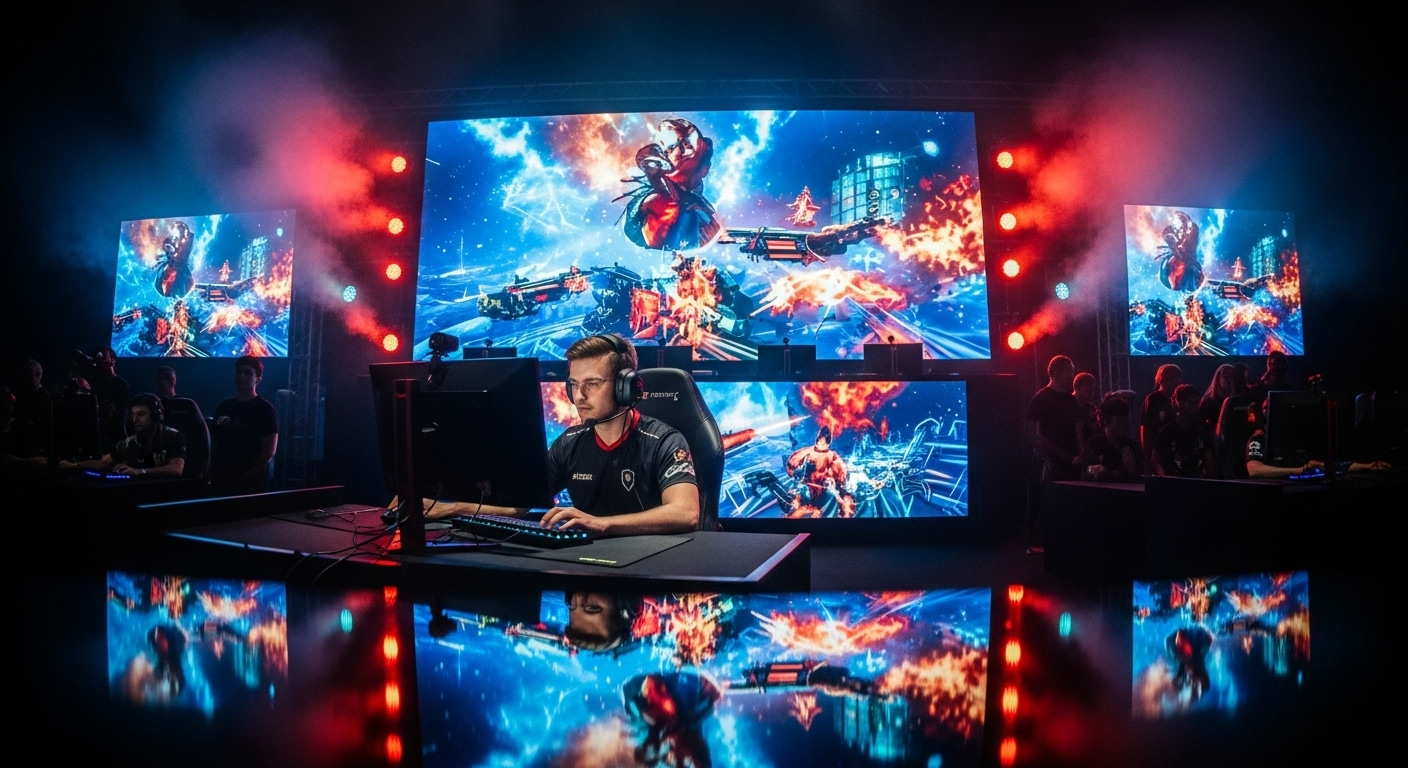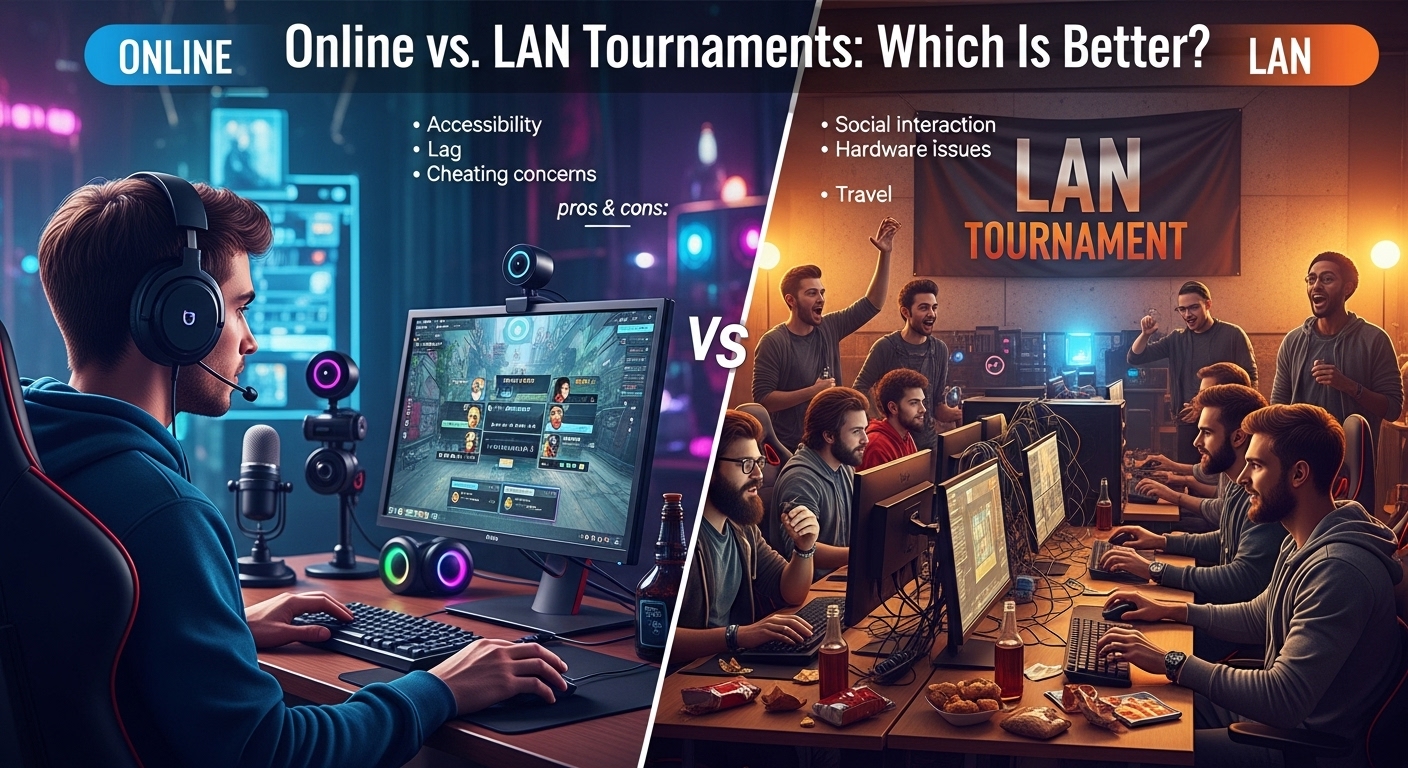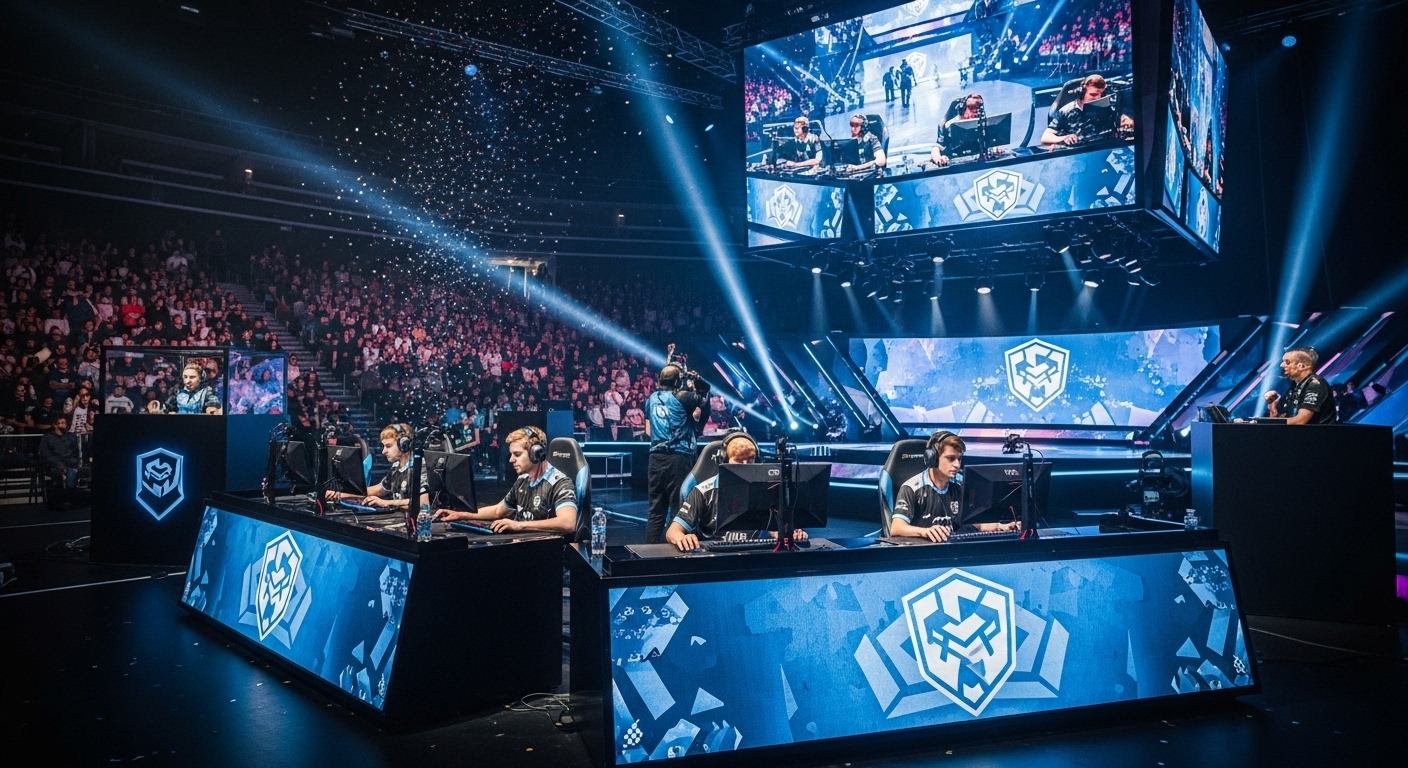
In the past few decades, esports has evolved from a niche hobby into a worldwide phenomenon, captivating millions of players and fans alike. What was once a pastime for enthusiasts has now blossomed into a multi-billion dollar industry, with massive tournaments, professional players, and dedicated fanbases. In this blog post, we will take a closer look at the growth of esports, its impact on gaming culture, and the factors that have driven its rise to prominence.
The Birth of Esports
The origins of esports can be traced back to the early days of competitive gaming, when players would gather in small LAN parties to compete in titles like Street Fighter, Doom, and Quake. These early tournaments were often local and informal, attracting small groups of dedicated players who enjoyed the competitive nature of gaming. However, it wasn’t until the late 1990s and early 2000s that esports began to gain more mainstream attention.
In 1997, one of the first significant esports tournaments, the Red Annihilation tournament for Quake, was held. This event set the stage for future competitions and helped establish the potential for competitive gaming as a spectator sport. As the internet grew, so did the ability to host and stream gaming events. With this rise in online connectivity, larger tournaments like StarCraft in South Korea began to bring competitive gaming into the limelight.
The Rise of Professional Leagues
In the 2000s, the esports scene began to take a more structured form, with the introduction of professional leagues and organizations. Games like Warcraft III, Counter-Strike, and League of Legends became staples in the competitive gaming community. Professional players started to emerge, many of whom were sponsored by major brands and gaming companies.
The success of South Korea’s StarCraft leagues, particularly the ProLeague, played a pivotal role in shaping the future of esports. The country became a hotbed for competitive gaming, and it wasn’t long before tournaments were televised on national TV. Esports in South Korea was not only seen as a legitimate career but also a part of the country’s cultural fabric.
Elsewhere, in the West, games like Counter-Strike, Dota 2, and League of Legends began to build their own competitive ecosystems. Major organizations like ESL (Electronic Sports League) and MLG (Major League Gaming) started to organize large-scale events and tournaments, attracting sponsorships from global brands, media companies, and streaming platforms like Twitch.
The Impact of Streaming and Social Media
The rise of platforms like Twitch, YouTube, and Facebook Gaming played an essential role in the rapid growth of esports. Streaming platforms allowed players to broadcast their gameplay to global audiences, creating an entirely new form of entertainment. Fans could watch their favorite players in real-time, interact with them through live chats, and even support them through donations and subscriptions.
Twitch, in particular, became the epicenter of the esports world. Major events like The International (Dota 2’s annual championship) and League of Legends World Championship started attracting millions of viewers online. Social media also played a key role, allowing fans to follow teams, players, and tournaments. Esports had found its digital home, and it quickly became an integral part of the gaming experience.
Social media platforms like Twitter, Instagram, and Reddit also helped build a strong sense of community within the esports world. Fans began sharing highlights, memes, and discussions about tournaments, helping to create a global, interconnected fanbase. Teams and players also leveraged these platforms to connect with their followers, sharing behind-the-scenes content, training routines, and personal moments.
Esports as a Career Path
As esports continued to grow, so did the opportunities for players and content creators. What was once seen as a hobby for casual gamers began to transform into a legitimate career path for those with the skill and determination to compete at the highest level. Professional players began to earn salaries, sponsorships, and prize money that rivaled traditional athletes.
Top-tier esports professionals now train just as rigorously as athletes in traditional sports. They spend hours refining their gameplay, studying strategies, and building team dynamics. The level of competition in esports has become incredibly intense, with players often dedicating their entire lives to mastering their craft.
Alongside players, there has been a rise in the number of coaches, analysts, content creators, and event organizers in the esports ecosystem. Careers in esports now span a wide range of roles, including shoutcasters (commentators), team managers, social media strategists, and game analysts. Esports has created a thriving job market, and as the industry continues to grow, more career opportunities will emerge.
Major Esports Titles and Their Impact
Esports is defined by its games, and several titles have played an essential role in shaping the industry. These games have become household names and are often at the forefront of major esports tournaments.
League of Legends is one such title. Since its launch in 2009, it has become one of the most popular esports games globally. The League of Legends World Championship, held annually, attracts millions of viewers and features top-tier teams from around the world. The game’s developer, Riot Games, has built a massive competitive ecosystem around LoL, with professional leagues in multiple regions, including North America, Europe, and China.
Another title that has had a profound impact on esports is Dota 2. Developed by Valve, Dota 2 is known for its deep strategic gameplay and complex mechanics. The International, its premier tournament, has become one of the largest esports events in the world, with prize pools reaching over $40 million in recent years. This immense prize money has helped solidify Dota 2 as a major player in the esports scene.
Other titles like Counter-Strike: Global Offensive (CS:GO), Fortnite, Overwatch, and Call of Duty have also contributed to the growing popularity of esports. Each game has its own unique appeal, attracting a diverse range of players and spectators. The variety of games within the esports industry ensures that there is something for every type of player, from tactical shooters to fast-paced battle royales.
The Future of Esports
As esports continues to grow, there are several exciting developments on the horizon. The integration of new technologies like Virtual Reality (VR) and Augmented Reality (AR) could offer new ways to experience competitive gaming. Additionally, the increasing involvement of traditional sports organizations and broadcasters could further elevate esports to mainstream audiences.
Esports’ potential to become an Olympic sport has also been a topic of discussion in recent years. While there are still many hurdles to overcome, the possibility of esports being included in the Olympic Games could open up new avenues for the industry and further cement its status as a global phenomenon.
Another exciting development is the growth of mobile esports. With the rise of smartphones and mobile gaming, titles like PUBG Mobile, Mobile Legends, and Clash Royale have gained massive followings. As mobile gaming continues to evolve, so too will mobile esports, making competitive gaming more accessible than ever before.
Conclusion
Esports has come a long way since its humble beginnings in basement tournaments and small LAN parties. Today, it stands as a multi-billion dollar industry with a global audience, professional players, and a wide range of career opportunities. As technology continues to evolve, esports will only grow in prominence, offering new ways for players and fans to engage with their favorite games and teams.
The success of esports is a testament to the power of community, competition, and the love of gaming. What was once a small subculture has now become a powerful force in entertainment, and its future looks brighter than ever. Whether you’re a player, a fan, or just a casual observer, there’s no denying that esports is here to stay, shaping the future of gaming and digital entertainment for years to come.