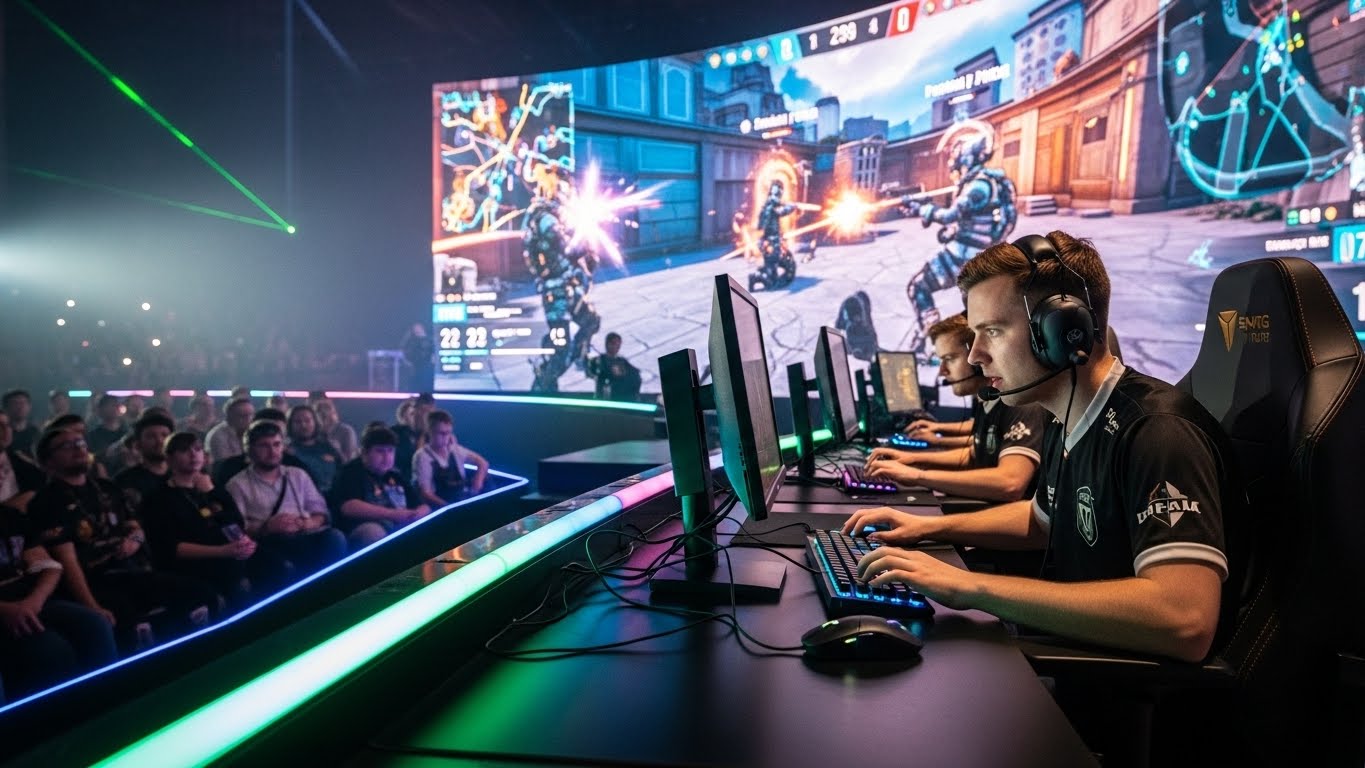
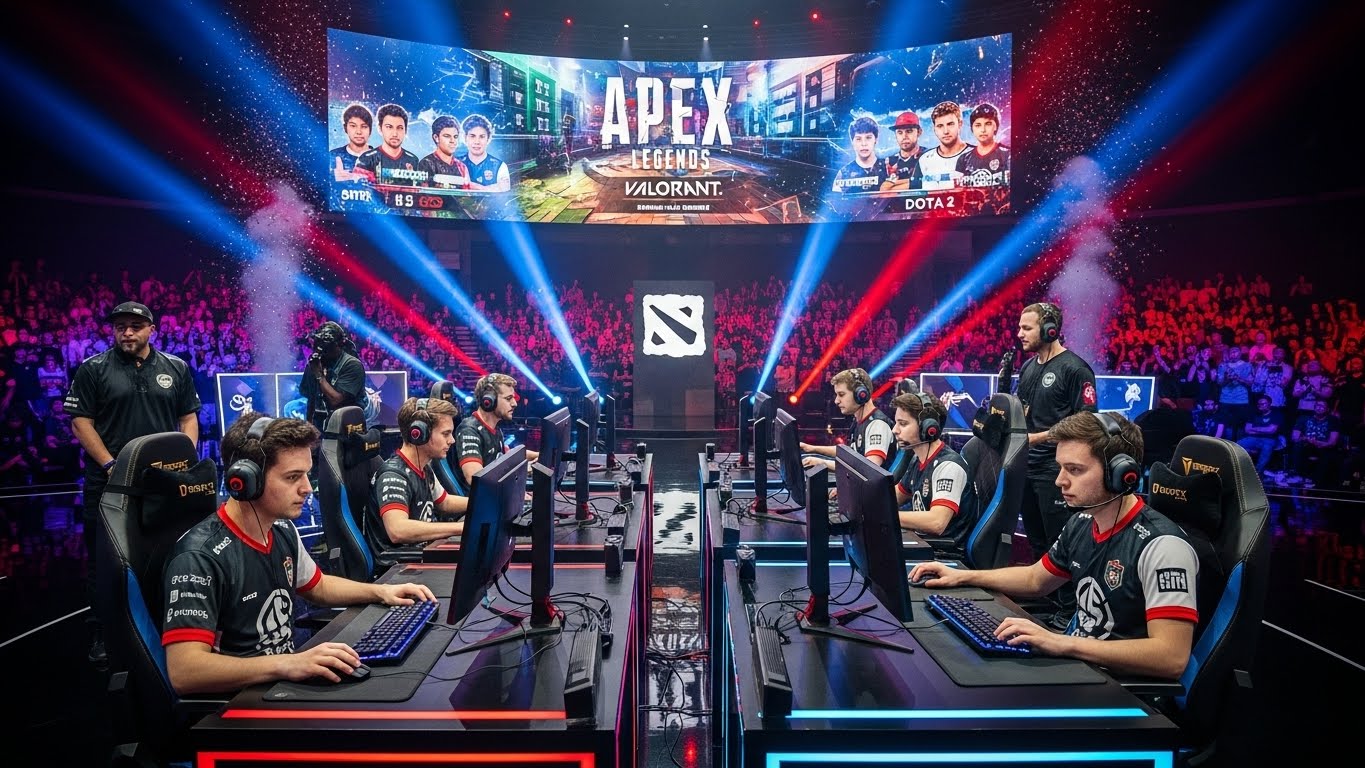
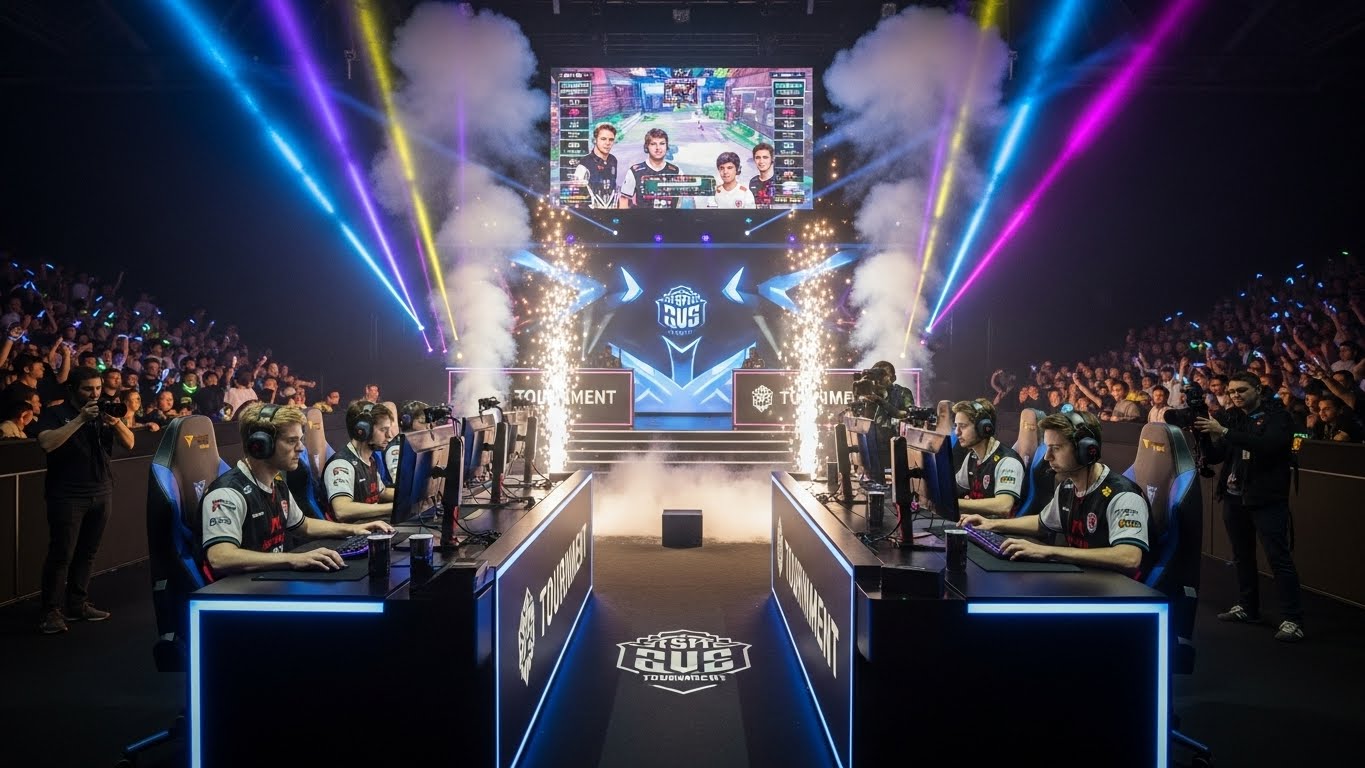
Esports, short for electronic sports, is no longer just a niche activity confined to the gaming community. It has exploded into a global industry, reshaping the way we think about competition, entertainment, and digital culture. Once viewed as a hobby for gamers, esports is now a professional field attracting millions of viewers, sponsorships, and lucrative prize pools. Today, esports is a multi-billion-dollar industry that commands attention from mainstream media, investors, and fans worldwide. This blog post delves into the evolution of esports, examining its journey from humble beginnings to a global cultural force.
The Early Beginnings: A Hobby Becomes Competitive
The roots of esports can be traced back to the early days of video games. In the 1970s and 1980s, arcade games like Pong and Space Invaders introduced players to the idea of video games as a form of entertainment. However, these games did not have an organized competitive structure. It wasn’t until the late 1980s and early 1990s that competitive gaming began to take shape.
In 1980, Atari hosted the first known video game tournament for its Space Invaders game, attracting thousands of participants. While this event was relatively small by today’s standards, it is often seen as the birth of competitive gaming. Throughout the 1990s, multiplayer games like Doom and Quake introduced the concept of online competition. LAN (Local Area Network) tournaments became common, where players would gather in person to compete against each other in games that demanded skill and strategy. These early tournaments laid the groundwork for what would eventually become a global esports scene.
The Rise of Esports in South Korea
While competitive gaming was gaining traction in various parts of the world, it was in South Korea that esports truly took off. The release of StarCraft in 1998 marked a turning point for esports, especially in South Korea, where the game became a national obsession. South Korea’s well-developed internet infrastructure and widespread access to broadband connections played a key role in this rapid adoption.
By the early 2000s, South Korea had become the epicenter of esports. The Korean government recognized the cultural significance of competitive gaming, and in 2000, it established the Korean e-Sports Association (KeSPA) to regulate and promote esports in the country. South Korea was the first nation to officially recognize esports as a legitimate form of entertainment. In 2001, StarCraft tournaments were broadcast on national television, and a dedicated esports TV channel, OnGameNet, was launched. The professional scene quickly grew, with players becoming celebrities, sponsored by major brands, and earning hefty prize money.
This cultural shift led to the establishment of major esports leagues like the StarCraft Pro League, which drew millions of viewers. South Korean players, known for their exceptional skills and dedication, became the pioneers of the professional gaming world, paving the way for future global esports stars.
The Global Expansion of Esports
While South Korea remained at the forefront of esports, other regions soon caught up. In the early 2000s, North America and Europe began to build their own esports ecosystems. In 2002, Major League Gaming (MLG) was founded in the United States, providing a platform for competitive gaming in North America. At the same time, the Electronic Sports League (ESL) was established in Europe, focusing on organizing tournaments for games like Counter-Strike, WarCraft III, and Halo. These organizations played a crucial role in professionalizing esports and introducing it to wider audiences.
In 2011, Twitch, a live-streaming platform for gamers, was launched. This marked a key moment in the history of esports, as it allowed players to stream their gameplay live, attracting viewers from around the world. The platform quickly became the go-to destination for watching esports events, enabling global access to tournaments, matches, and competitive play. Twitch significantly contributed to the rise of esports by democratizing access to content and allowing fans to engage with their favorite players and teams in real-time.
With platforms like Twitch, esports gained an even larger global following. Games like League of Legends, Dota 2, Counter-Strike: Global Offensive, and Overwatch attracted millions of players and fans, while tournaments such as the League of Legends World Championship and The International for Dota 2 became major international events. These tournaments not only offered massive prize pools but also drew in millions of online viewers, showcasing the growing appeal of esports.
Esports Today: A Multi-Billion-Dollar Industry
Esports has grown exponentially over the past two decades. The industry is now valued in the billions of dollars, driven by factors such as sponsorship deals, media rights, merchandise sales, and digital advertising. As of 2021, the global esports market was projected to be worth over $1 billion, with forecasts showing continued growth in the coming years.
Esports tournaments have evolved into major global events that rival traditional sports in terms of viewership and audience engagement. The International (TI) for Dota 2, for example, boasts one of the largest prize pools in esports history, with the 2021 tournament offering a prize pool of over $40 million. Similarly, League of Legends World Championship and Counter-Strike: Global Offensive Major Championships attract millions of viewers online and in person. These events are broadcasted on streaming platforms like Twitch, YouTube, and even traditional sports networks like ESPN.
Sponsorships have become an integral part of the esports ecosystem. Major brands such as Coca-Cola, Intel, and Red Bull are now key sponsors of esports tournaments, teams, and events. The financial backing from these companies has helped elevate esports to the level of professional sports, with teams signing sponsorship deals that mirror the contracts seen in traditional athletics. Esports players themselves are often signed by teams, earning salaries and taking part in lucrative endorsement deals. The rise of esports organizations, such as Cloud9, Team Liquid, and Fnatic, further solidifies esports as a legitimate and profitable industry.
The Role of Streaming and Content Creation
One of the driving forces behind esports’ rise in popularity has been the expansion of live-streaming and content creation. Twitch, YouTube Gaming, and other platforms have made it easier for players to share their gameplay and engage with fans directly. This has led to the rise of esports stars who not only compete in tournaments but also build large followings by streaming their gameplay and interacting with their audience.
Popular streamers like Ninja (Tyler Blevins), Shroud (Michael Grzesiek), and Pokimane (Imane Anys) have become household names, amassing millions of followers across various platforms. These personalities transcend gaming, with some appearing on mainstream television, collaborating with brands, and creating their own content outside of gaming. The relationship between streamers, fans, and brands has created a new form of entertainment that blends gaming, social media, and digital content creation.
Streaming has also become an important revenue stream for esports players and teams. Through ad revenue, donations, subscriptions, and sponsorships, streamers and content creators can earn substantial incomes, further legitimizing esports as a professional career path.
Esports and Traditional Sports: Bridging the Gap
In recent years, the relationship between esports and traditional sports has grown increasingly intertwined. Major traditional sports organizations, such as the NBA, NFL, and EPL, have made investments in esports. The NBA 2K League, launched by the National Basketball Association (NBA) in 2018, is a prime example of this crossover. The league, based on the popular NBA 2K video game series, allows professional players to compete for a share of the prize money and gain recognition within the world of competitive gaming.
Similarly, traditional sports teams are getting involved in esports by fielding their own teams in various games. Football clubs like Paris Saint-Germain and Manchester City now operate esports divisions, competing in games like FIFA and eFootball. This overlap between traditional sports and esports signals a broader cultural shift, where the two sectors are no longer seen as distinct, but rather as complementary industries.
Esports has also found a way to appeal to sports fans through fantasy leagues, betting platforms, and live broadcasts that simulate the experience of watching a traditional sports game. The rise of esports has not only provided new entertainment options but also created opportunities for fans to engage with the content in a variety of ways.
The Future of Esports: Challenges and Opportunities
As esports continues to grow, there are several key trends and challenges to consider. One area of significant growth is mobile esports. With the rise of smartphones and improved mobile networks, competitive gaming on mobile devices has exploded, particularly in regions like Southeast Asia, Latin America, and India. Games like PUBG Mobile, Free Fire, and Mobile Legends have become incredibly popular, with large-scale tournaments now being held for mobile esports titles.
Another key development is the potential of virtual reality (VR) and augmented reality (AR) in esports. While VR esports is still in its infancy, it presents an exciting opportunity for immersive competitive gaming experiences. As VR technology becomes more accessible and affordable, it could revolutionize the way esports is played and consumed, offering fans a new level of engagement and excitement.
However, the rapid growth of esports also presents challenges, particularly in areas like player health, mental well-being, and the potential for burnout. As esports athletes train for hours on end, they often face the same physical and psychological demands as traditional athletes. Ensuring that players receive proper support and guidance to maintain their health is a key challenge moving forward.