Introduction: The Global Surge of Esports
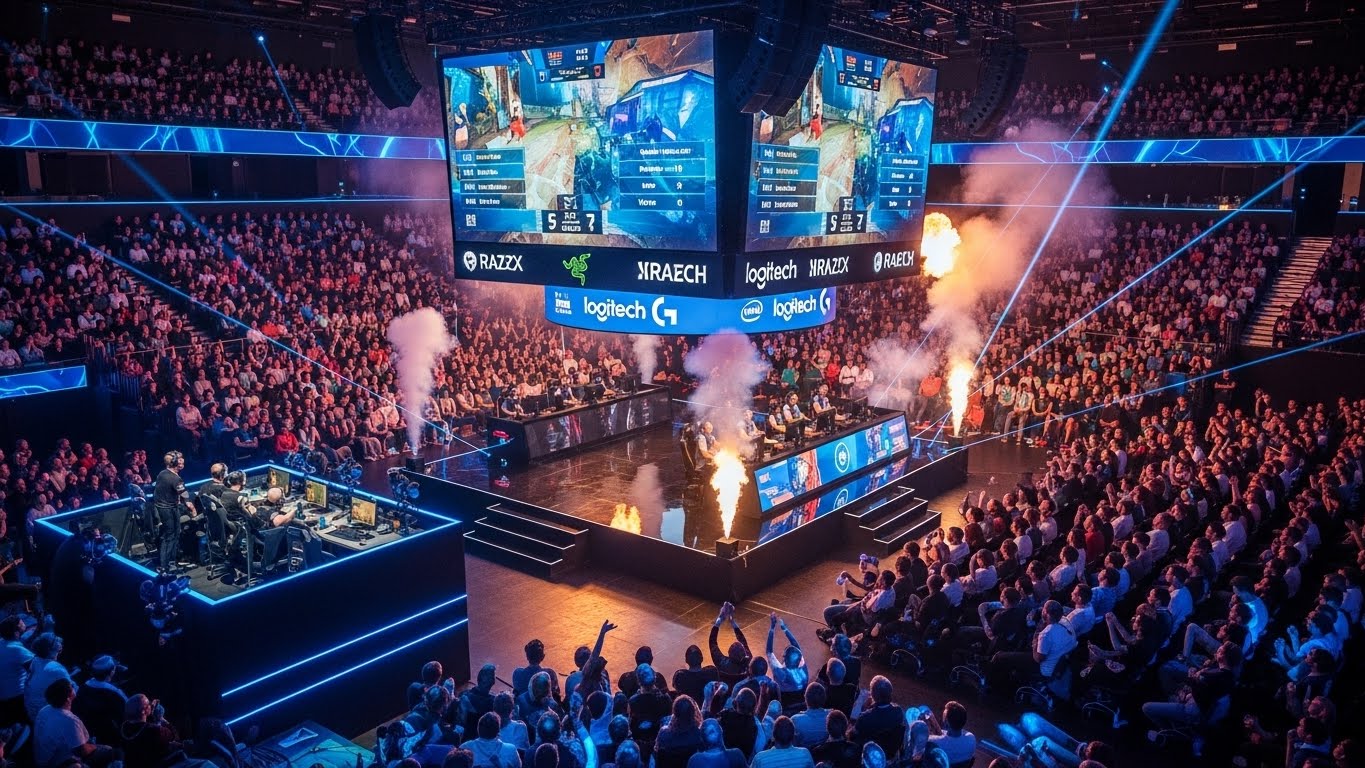
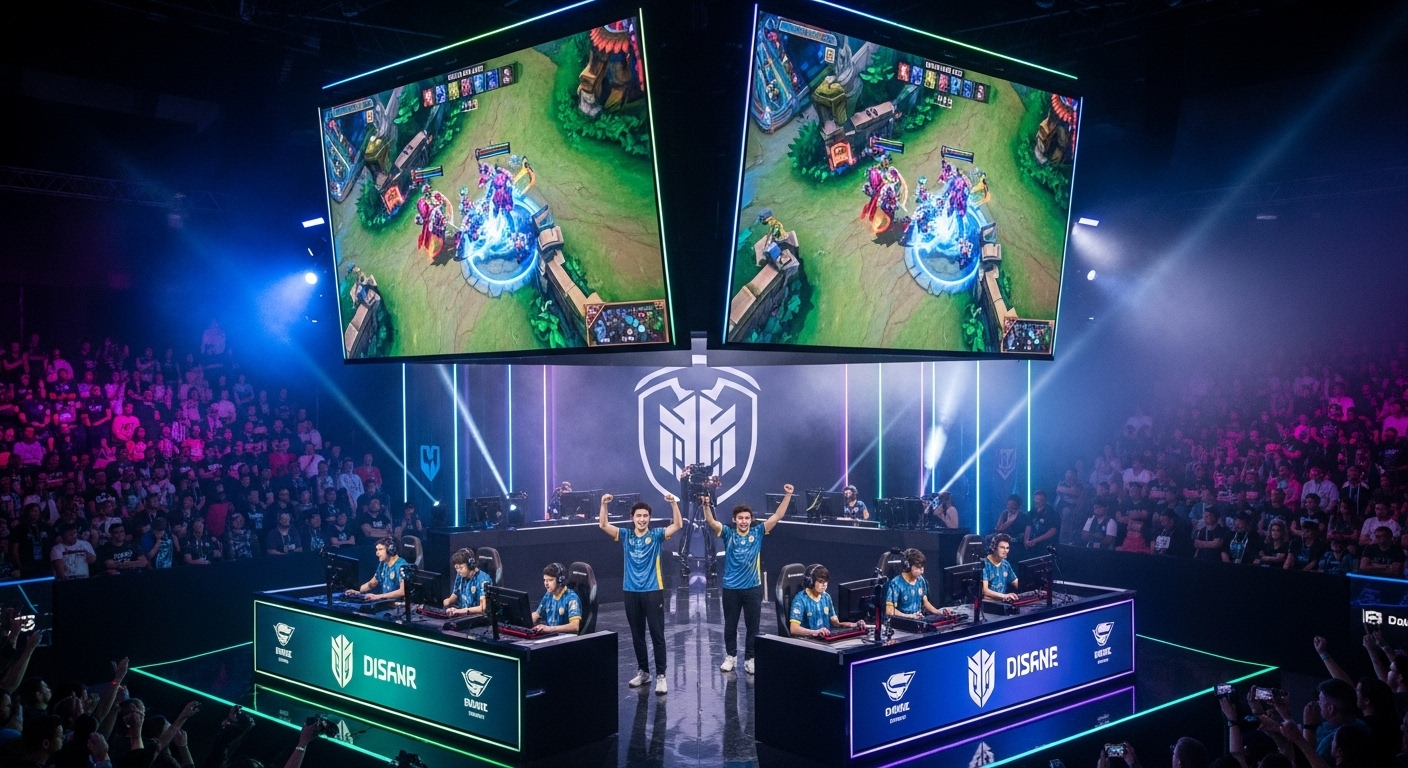
In recent years, esports has evolved from a niche hobby into a global entertainment phenomenon. Competitive gaming, once confined to a small circle of players, has exploded into a multi-billion-dollar industry with millions of fans and players worldwide. From the first humble tournaments to the colossal international championships today, esports has rapidly become a significant part of the entertainment landscape. Events now attract millions of viewers, and the career opportunities within esports have exploded, with players, coaches, analysts, and content creators all playing integral roles in this growing ecosystem. Esports is not only changing the way we view competitive play but also influencing the broader culture of sports and digital entertainment. In this blog post, we will explore the rise of esports, its impact on traditional sports, and what the future holds for this dynamic and exciting industry.
The Beginnings of Esports: From Arcades to Global Competitions
The roots of esports can be traced back to the early days of gaming when players gathered in arcades to compete against one another. These small-scale competitions were often informal, but they laid the foundation for what would later become a global phenomenon. As technology advanced and online multiplayer games emerged, the potential for large-scale competitive gaming became more apparent.
One of the pivotal moments in esports history occurred in 1997 with the Red Annihilation tournament for Quake, which was the first major international esports competition. While the scale of the event was small compared to today’s standards, it set the tone for future events and demonstrated the viability of esports as a competitive industry. In the following years, games like StarCraft, Warcraft III, and Counter-Strike began to dominate the competitive scene, with organized leagues and tournaments emerging across the globe.
By the early 2000s, esports was gaining traction, particularly in South Korea, where StarCraft became a national phenomenon. The rise of dedicated esports networks, such as OGN, and the establishment of professional teams and sponsorships solidified esports as a legitimate competitive field. Events like the World Cyber Games and Electronic Sports League (ESL) expanded the reach of esports to international audiences, paving the way for the enormous growth seen today.
The Explosion of Esports: How Technology Fueled Its Growth
The rapid rise of esports can be attributed to several key factors, chief among them being advances in technology. The internet played a crucial role in enabling players to connect and compete from anywhere in the world. Online multiplayer games allowed for a level of competition that was not previously possible. Games like League of Legends, Dota 2, and Fortnite became staples of the esports world, offering thrilling and competitive gameplay that attracted both casual players and dedicated professionals.
Streaming platforms such as Twitch and YouTube Gaming have also been instrumental in the rise of esports. These platforms enabled millions of viewers to watch live tournaments from the comfort of their homes, making esports events accessible to a global audience. Twitch, in particular, revolutionized esports by providing a space for both live competitions and content creation. Streamers gained massive followings by broadcasting their gameplay, often interacting with fans in real-time, creating a sense of community among viewers and players alike.
Moreover, the rise of mobile gaming has further fueled the growth of esports, with games like PUBG Mobile and Free Fire gaining massive popularity, especially in emerging markets like Southeast Asia, Latin America, and India. The accessibility of mobile devices has allowed esports to reach new audiences, democratizing competitive gaming and making it possible for players worldwide to participate in global tournaments.
Esports as a Professional Career: From Hobby to Livelihood
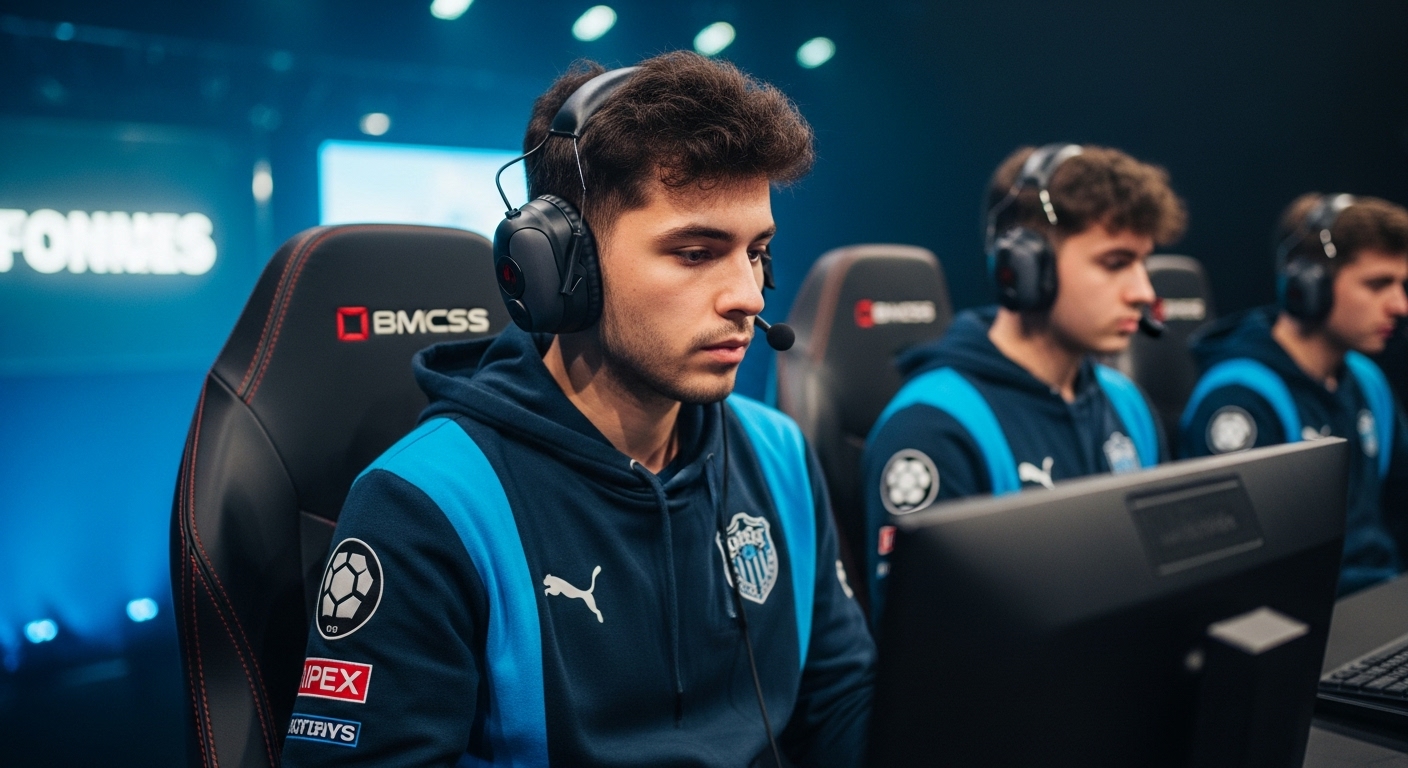
One of the most remarkable aspects of esports’ evolution is the transformation of gaming from a hobby into a legitimate career. Professional esports players are now competing for substantial cash prizes, sponsorship deals, and global recognition. The skill and dedication required to succeed in esports are akin to those needed in traditional sports, and players often undergo rigorous training regimens to refine their skills and strategies.
Top-tier esports players can earn substantial salaries, not just from tournament winnings but also from sponsorships, streaming, and social media partnerships. Teams and organizations are now investing heavily in developing their players, hiring coaches, analysts, and support staff to ensure their teams are performing at the highest level. For instance, organizations like Team Liquid, Cloud9, and TSM are household names in the esports world, attracting top talent and building dedicated fanbases.
Esports also offers career opportunities outside of playing. Coaches, managers, analysts, broadcasters, and content creators all play essential roles in the esports ecosystem. As the industry continues to grow, the demand for professionals in these areas is expanding, creating a diverse range of job opportunities for individuals passionate about gaming and competition. The rise of esports scholarships and college programs dedicated to esports management further exemplifies the increasing recognition of competitive gaming as a career path.
Esports and the Changing Landscape of Traditional Sports
As esports has grown, it has had a significant impact on traditional sports. While esports and traditional sports may seem vastly different, there are several ways in which the two are converging. One of the most significant intersections between esports and traditional sports is the increasing involvement of sports organizations and media companies in the esports world.
Major sports leagues like the NBA, NFL, and European soccer clubs have embraced esports, forming partnerships and sponsoring esports teams. For example, the NBA launched its NBA 2K League, a professional esports league based on the popular NBA 2K video game series. Similarly, soccer clubs like Manchester City and Paris Saint-Germain have their own esports teams competing in games like FIFA and League of Legends. This crossover between esports and traditional sports is further cementing the legitimacy of competitive gaming and broadening its appeal to fans of all sports.
Esports is also influencing traditional sports media. In recent years, esports tournaments have been broadcast on major television networks and sports channels, with the same level of production quality as any other live sports event. Esports networks, such as ELEAGUE and the Overwatch League, have brought competitive gaming into the homes of millions, showcasing esports as a professional, high-stakes form of entertainment.
The Global Esports Community: A New Kind of Fanbase
One of the defining features of esports is its strong sense of community. The rise of online streaming platforms and social media has allowed fans from all over the world to connect with each other and with their favorite players, teams, and tournaments. Esports fans are some of the most dedicated and passionate supporters in the world. They engage with players and streamers on platforms like Twitch, Twitter, and Discord, creating vibrant online communities where they can share content, discuss strategies, and cheer for their favorite teams.
Esports communities are unique in their inclusivity. People from all walks of life—regardless of age, gender, or location—can participate in the global conversation surrounding competitive gaming. The online nature of esports also means that fans have direct access to the players they admire, allowing them to build personal connections through live chats, social media interactions, and fan events. This level of interaction fosters a deep sense of belonging within the esports world.
The Future of Esports: What Lies Ahead
As esports continues to grow, the future looks incredibly bright. The development of new technologies will further enhance the viewing experience, allowing fans to immerse themselves in the action through virtual reality (VR) and augmented reality (AR). VR could revolutionize esports by allowing players to compete in fully immersive digital arenas, while AR could bring esports competitions to life in new and exciting ways.
Mobile gaming will continue to expand the reach of esports, particularly in developing countries where access to high-end gaming PCs and consoles may be limited. As mobile esports continues to grow in popularity, more players and fans will be able to participate in the competitive gaming scene.
Esports also stands to benefit from its increasing integration with traditional sports. As esports tournaments gain more mainstream recognition, they will continue to attract sponsorships, media deals, and investments, ensuring the financial sustainability of the industry. Esports will likely become a staple in major sports networks, offering even more opportunities for fans to engage with their favorite games.
Challenges Facing Esports: Sustainability and Regulation
While the future of esports is promising, the industry faces several challenges. One of the most pressing concerns is sustainability. As the industry grows, it will be essential to ensure that players and organizations can maintain their success over time. Financial sustainability, fair competition, and player health are all critical issues that must be addressed for esports to continue to thrive.
Regulation is another challenge facing esports. As the industry matures, there will be a need for more formal governance structures to ensure fair play, prevent match-fixing, and protect players from exploitation. Efforts to standardize rules, promote player welfare, and regulate betting on esports will be crucial for the long-term health of the industry.
Conclusion: The Ever-Expanding World of Esports
Esports has come a long way since its early days in arcades, and its journey is far from over. The rise of esports has reshaped the way we think about competition, entertainment, and community. With its massive global audience, professional players, and growing financial backing, esports is proving that it is more than just a passing trend—it is the future of entertainment. As technology continues to evolve and esports continues to expand, there are no limits to the potential of this exciting and dynamic industry.
Esports is here to stay, and the best part is that we are only at the beginning of this incredible journey.