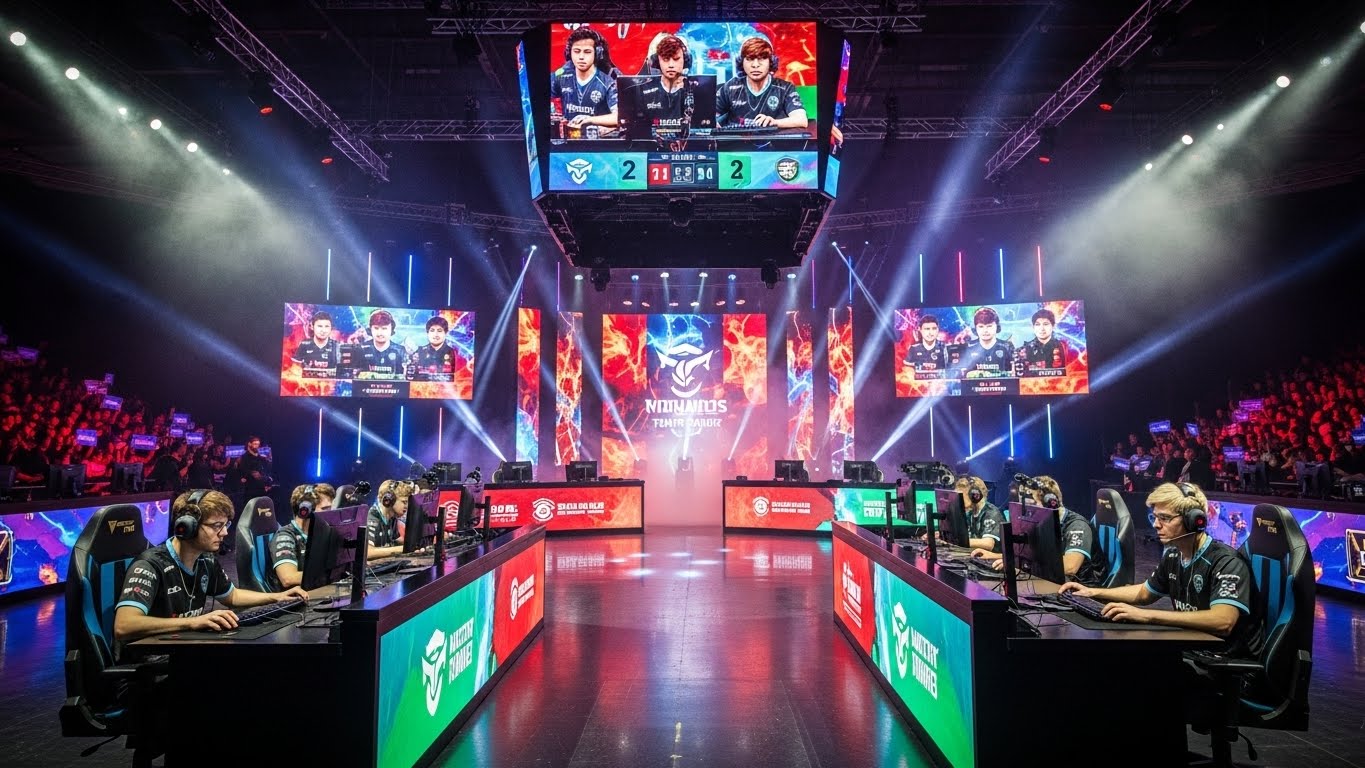
Introduction: The Rise of Digital Competition
Esports has grown from a small community of enthusiasts into a global cultural and economic powerhouse. Competitive gaming, once considered a hobby, is now recognized as a legitimate form of sport, entertainment, and career. Millions of players and fans around the world tune in to watch professional tournaments, follow their favorite teams, and celebrate the skill and strategy that define esports. Its growth highlights the power of technology in connecting people and creating entirely new avenues for competition.
The Evolution of Esports
Esports started with humble beginnings in arcades and local gaming competitions. Classic titles such as StarCraft, Counter-Strike, and League of Legends helped pave the way for professional leagues and international tournaments. Today, esports spans multiple genres including first-person shooters, real-time strategy, sports simulations, and battle royale games. Streaming platforms have enabled fans to watch live matches and follow players worldwide, making esports a global phenomenon that continues to expand every year.
The Life of a Professional Gamer
Becoming a professional esports player requires more than natural talent. It demands discipline, strategy, and relentless practice. Players often spend hours each day training, analyzing gameplay, and refining their skills. Mental agility, teamwork, and quick decision-making are essential, while coaches and analysts play a vital role in helping players optimize performance. Unlike traditional sports, esports emphasizes cognitive skill as much as reflexes, proving that gaming can be both a competitive and intellectually challenging pursuit.
Building a Community
Esports thrives because of its passionate and engaged fan base. Unlike traditional sports, esports allows fans to connect directly with players through live chats, social media, and streaming platforms. Fans contribute to the community by creating content, sharing strategies, and supporting teams through merchandise and events. This interactive culture fosters a sense of belonging and loyalty, making esports more than just a competition—it’s a global community united by shared passion.
Economic Impact and Opportunities
The esports industry has grown into a multi-billion-dollar market. Revenue streams include tournament prize pools, sponsorships, advertising, merchandise, and media rights. Companies from various sectors, including technology, sports, and entertainment, are investing heavily in esports, recognizing its potential to engage younger audiences. Beyond players, the industry provides jobs in broadcasting, event management, marketing, and game development, offering opportunities for careers beyond the gaming screen.
Challenges in Esports
Despite its rapid growth, esports faces challenges. Player burnout, mental health concerns, and a lack of long-term career stability are ongoing issues. The industry also needs robust regulation, fair play policies, and proper support systems to ensure sustainable growth. Addressing these challenges is essential for the longevity of esports as both a profession and a global entertainment platform.
The Future of Esports
The future of esports is promising and full of potential. Advancements in technology, such as virtual reality, augmented reality, and cloud gaming, will continue to enhance the experience for both players and viewers. Esports may increasingly intersect with mainstream entertainment and traditional sports, further solidifying its place as a major cultural and economic force worldwide.
Conclusion: A New Era of Gaming
Esports has transcended the label of “video games” to become a global movement that blends competition, entertainment, and community. From amateur players to professional athletes, it has created new pathways for talent and innovation. As esports continues to grow, it will redefine how people compete, connect, and experience the thrill of modern digital competition.