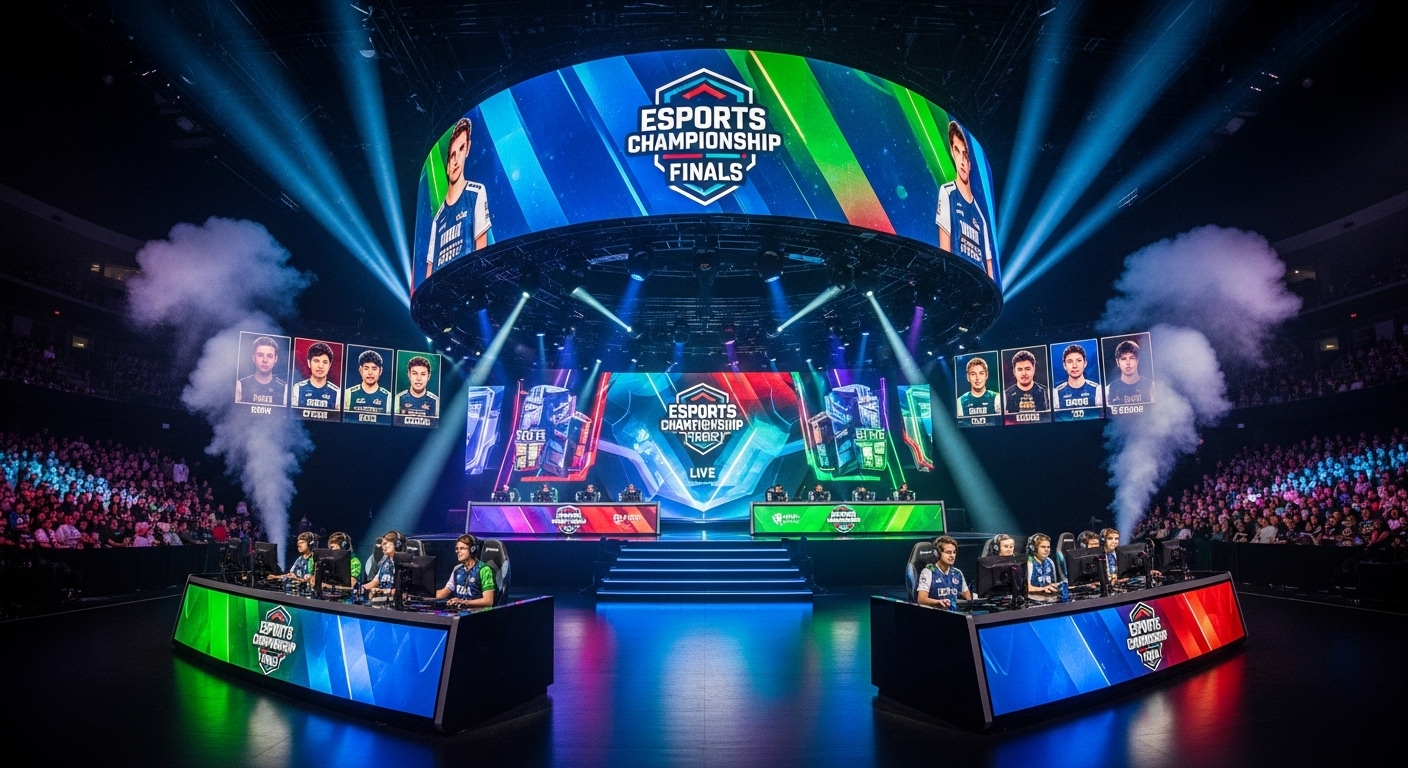
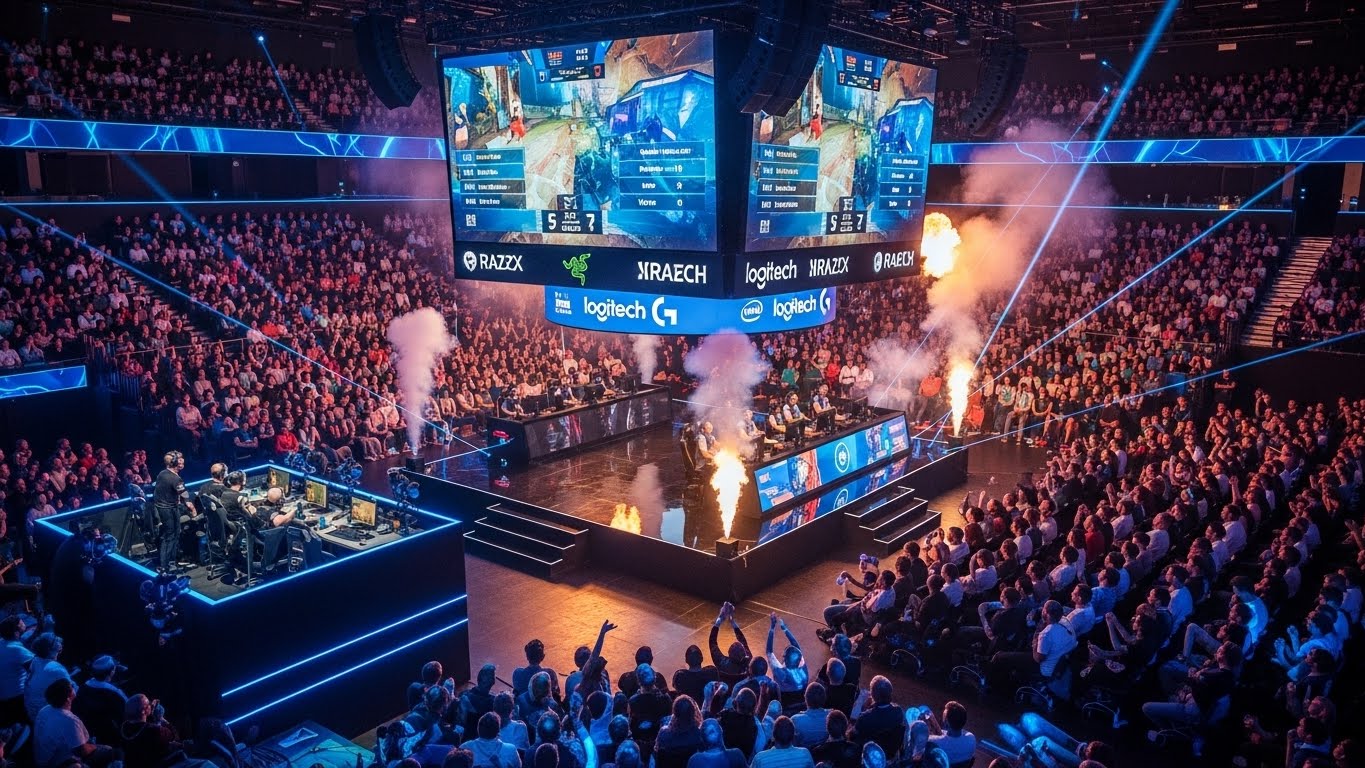
Esports, once a niche activity enjoyed by gamers in basements or local LAN parties, has evolved into a global entertainment juggernaut. This rise from underground competitions to massive televised events is a story of innovation, community, and technological advancements. Today, esports isn’t just a hobby; it’s a billion-dollar industry that brings together players, fans, sponsors, and organizations in a way that rivals traditional sports. In this blog post, we’ll explore the evolution of esports, the factors driving its success, and how it’s reshaping the entertainment and sports industries.
What Exactly is Esports?
At its simplest, esports refers to competitive video gaming, where individuals or teams compete in organized events, often for cash prizes, sponsorships, and prestige. While video gaming has been around since the 1970s, esports—short for electronic sports—began to take its current form in the late 1990s and early 2000s. Unlike casual gaming, esports involves highly skilled players who dedicate time to mastering specific games, often involving team-based strategy, individual skill, or both.
The types of games that make up the esports landscape are diverse, ranging from real-time strategy games (RTS) like StarCraft II, to multiplayer online battle arena games (MOBA) like League of Legends and Dota 2, first-person shooters (FPS) like Counter-Strike: Global Offensive, and battle royale games such as Fortnite and PUBG. Esports competitions are typically held in large arenas and streamed online for global audiences, creating a high level of engagement both for players and viewers.
The Origins and Growth of Esports
Esports didn’t just appear overnight. It evolved organically, and its growth is tied to several key milestones in gaming history.
1. The Birth of Competitive Gaming
The first known instance of organized gaming competition dates back to 1972 when Stanford University hosted the Intergalactic Spacewar Olympics. However, it wasn’t until the late 1990s and early 2000s that esports began to gain real traction. Games like Quake and StarCraft helped establish the foundation of competitive gaming. These titles were perfect for competitive play, offering fast-paced action, strategic depth, and a thriving online multiplayer component.
2. Rise of Professional Tournaments
In the late 1990s and early 2000s, professional esports tournaments began to take shape. One of the earliest and most influential esports events was the World Cyber Games (WCG), founded in 2000. This international tournament helped bring together players from around the world, further cementing the idea of gaming as a competitive sport. South Korea, in particular, became a hub for esports during this time, with games like StarCraft dominating the country’s gaming culture. Professional leagues, sponsorships, and live broadcasts of esports events began to gain traction, and it was clear that esports was on the rise.
3. The Impact of Streaming and Online Communities
A key factor in the explosive growth of esports was the rise of streaming platforms like Twitch and YouTube Gaming. Founded in 2011, Twitch became the go-to platform for live streaming video games, and it played a pivotal role in popularizing esports. Gamers could now watch live events in real-time, chat with players, and engage in communities built around specific games. Esports fans could follow tournaments from anywhere in the world, creating a global fan base that transcended borders.
Twitch’s interaction feature, which allows fans to directly engage with streamers and players, fostered a sense of community and immediacy. Viewers weren’t just passive consumers of content; they were active participants in the esports experience.
Esports as a Billion-Dollar Industry
As the popularity of esports grew, so did its financial backing. Today, esports is a multi-billion-dollar industry, attracting big-name sponsors, advertisers, and media networks. In fact, the global esports market was valued at approximately $1.5 billion in 2023, and this number is expected to continue growing as more companies look to tap into the lucrative potential of esports.
1. Sponsorships and Partnerships
One of the primary revenue streams for esports comes from sponsorships. Major companies like Intel, Red Bull, and Coca-Cola have long been involved in esports, either by sponsoring tournaments or backing teams and players. These partnerships help fund large-scale competitions, cover production costs, and provide monetary incentives for players and organizations.
Even traditional sports companies are jumping into the esports market. For instance, Nike has partnered with teams like Team Liquid, and sports franchises like the NBA and NFL have invested in esports leagues such as the NBA 2K League and the NFL’s Madden Championship Series. These deals are helping bridge the gap between traditional sports and esports, signaling the mainstream acceptance of competitive gaming.
2. Prize Pools and Player Earnings
The financial incentives for esports players are another key factor in the industry’s success. Prize pools for major esports tournaments can reach tens of millions of dollars, with individual players sometimes earning millions of dollars in winnings and sponsorships. For example, The International, the annual Dota 2 tournament, consistently has one of the largest prize pools in esports, surpassing $40 million in 2023.
While not every esports player earns such astronomical sums, the potential to make a career out of competitive gaming has become more of a reality for talented individuals. Many esports players also earn income through streaming platforms, brand endorsements, and team contracts, further bolstering their earning potential.
3. Media Rights and Broadcasting
The way esports is consumed has changed dramatically in recent years. Unlike traditional sports, which are mostly broadcast on cable or satellite television, esports is often streamed live on platforms like Twitch, YouTube, and Facebook Gaming. This model has led to the creation of dedicated esports channels and networks, making it easier for fans to access live events from anywhere in the world.
Esports has also seen increasing coverage on traditional sports networks. ESPN, for example, began broadcasting esports tournaments in 2016, and other sports networks are following suit. As a result, esports is no longer confined to niche platforms but has gained a broader, more diverse viewership.
Esports and Its Cultural Impact
Esports is not just a business or an entertainment format; it has also had a profound impact on culture. One of the main ways esports has shaped modern culture is by blurring the lines between gaming and traditional sports. The competition, the fan fervor, and the large-scale events have much in common with how we view professional sports, with many players achieving celebrity status in the gaming world.
1. Celebrity Players and Teams
Just as fans cheer for their favorite basketball or football teams, esports fans have become deeply invested in players and teams. Stars like Faker (Lee Sang-hyeok), a League of Legends player from South Korea, and Ninja (Tyler Blevins), a Fortnite streamer, have achieved global fame. These players not only draw attention for their gaming skills but also for their personalities, lifestyles, and involvement in the esports community. Their social media followings often rival those of professional athletes, and they have become ambassadors for gaming as a legitimate profession.
Esports teams, too, have gained massive followings. Brands like FaZe Clan, Cloud9, and Team Liquid have established themselves as global entities, with millions of fans tuning in to watch their players compete. These teams often operate like traditional sports organizations, with dedicated managers, coaches, and analysts behind the scenes, ensuring that players are primed for success.
2. The Social Aspect of Esports
One of the most distinctive elements of esports is its community-driven nature. Unlike traditional sports, where fans may only interact with players through television or at games, esports fans can connect directly with players via live streams, social media, and in-game chat. Fans can participate in real-time discussions during matches, follow their favorite players’ progress, and even join gaming communities that share their interests.
This social interaction creates a sense of belonging and camaraderie among esports fans, similar to the way fans of traditional sports bond over their love of the game. Many esports events, whether online or in-person, offer fans opportunities to meet their favorite players, get involved in fan clubs, and engage in esports culture.
The Future of Esports
As we look to the future, it’s clear that esports will continue to grow in size and influence. Several trends are shaping the direction of the industry.
1. Esports in Education
Esports is making its way into schools and universities. Many educational institutions have started offering scholarships for esports athletes, and some have even built dedicated esports arenas and programs. This trend is helping foster a new generation of professional players, as well as opening up career opportunities in esports-related fields such as broadcasting, production, and event management.
2. Integration with Virtual Reality (VR) and Augmented Reality (AR)
With the rapid advancements in technology, virtual reality and augmented reality could soon play a major role in esports. These technologies have the potential to revolutionize the way esports are played and watched, making the experience even more immersive. Imagine watching a League of Legends match in VR, where you can virtually sit beside the players and experience the game from their perspective.
3. Global Expansion
Esports is no longer confined to just a few regions. It’s becoming a global phenomenon, with major competitions now being held in regions like North America, Europe, South Korea, China, and Southeast Asia. The growth of mobile gaming in regions like India and Southeast Asia has opened up new opportunities for esports, enabling players from all over the world to participate in competitive gaming.