Introduction: From Hobby to Global Phenomenon
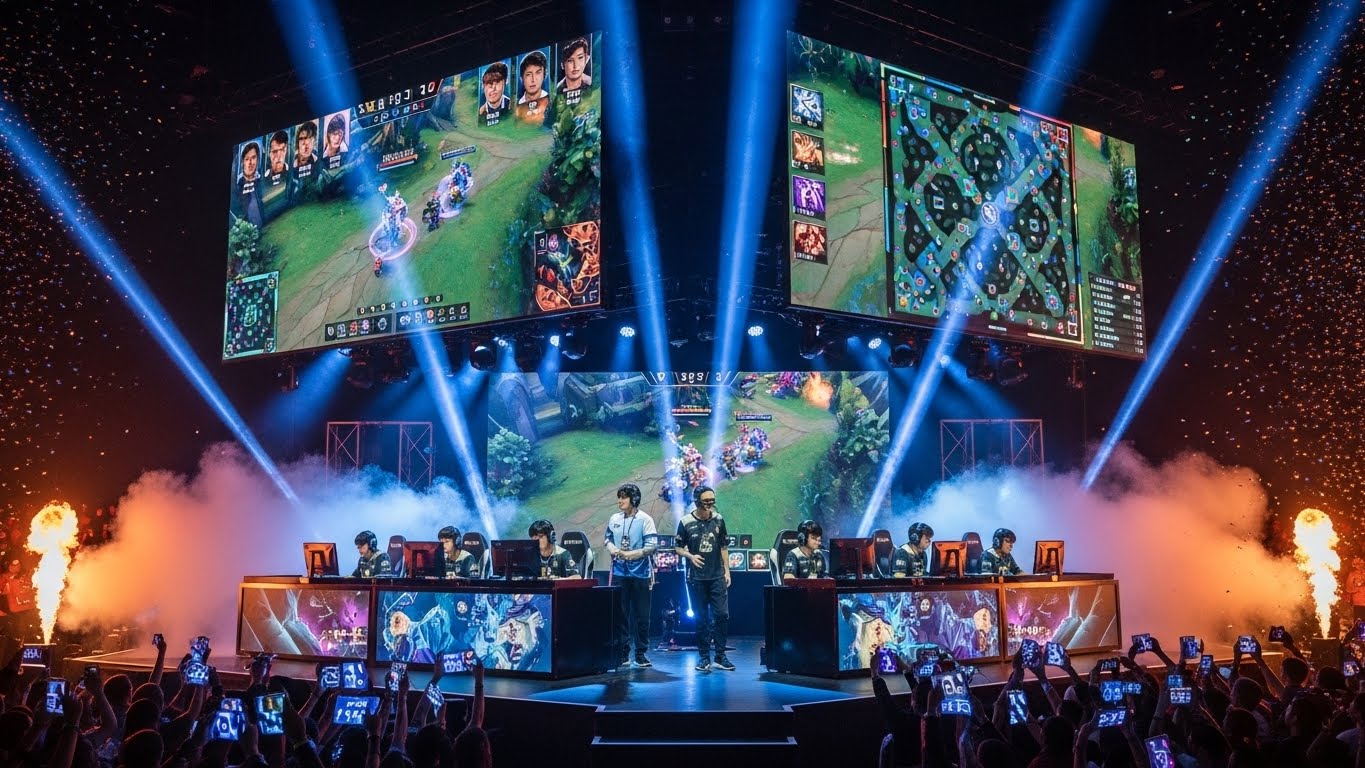
Esports, or competitive gaming, has transitioned from a niche pastime to a global entertainment powerhouse over the last two decades. What once began as informal competitions in arcades and internet cafés has now evolved into an industry that rivals traditional sports in both viewership and financial impact. Major tournaments fill arenas with cheering crowds, professional players earn lucrative salaries, and brands invest millions to sponsor teams and events.
The growth of esports is not just about games; it represents a cultural and technological revolution. It has redefined how people interact, consume entertainment, and even pursue careers in ways that were unimaginable a generation ago. To understand why esports has become such a global phenomenon, it is essential to explore its history, business dynamics, player culture, and future potential.
The Evolution of Competitive Gaming
Competitive gaming is not a modern invention. Its roots can be traced to the late 20th century, when arcade tournaments and early console competitions started gaining attention. Games like Pac-Man, Space Invaders, and later Street Fighter became staples of competitive play. Players would gather in small communities to test their skills and compete for recognition.
The 1990s brought a shift as home consoles and personal computers became widely available. Titles such as StarCraft, Counter-Strike, and Warcraft III introduced more strategic gameplay, fostering communities around skill development and online competition. Early tournaments often took place at local LAN parties, where players connected directly to compete, but these events laid the groundwork for professional gaming structures.
With the advent of broadband internet and online multiplayer platforms, gaming communities expanded globally. Players could now challenge opponents from different countries without leaving their homes. This accessibility fueled both participation and viewership, allowing esports to grow beyond small hobbyist communities into organized leagues and tournaments.
Professional Esports: The Rise of Players and Teams
As interest in competitive gaming grew, professional esports teams emerged. These organizations operate similarly to traditional sports clubs, employing players, coaches, analysts, and management staff. Teams dedicate themselves to rigorous training schedules, match analysis, and strategy development to maintain a competitive edge.
Professional players are often scouted from competitive ladders or smaller tournaments. Once recruited, they receive salaries, sponsorship deals, and access to training resources. Top-level players practice for hours each day, refining both individual skills and team coordination. The lifestyle is demanding, with mental resilience, focus, and discipline being critical components of success.
Fans play a crucial role in professional esports. They follow players on streaming platforms, watch live matches, and engage with their favorite teams on social media. This connection between player and fan fosters a culture of loyalty and community, which has helped esports establish itself as a legitimate career pathway for talented gamers worldwide.
The Business of Esports
Esports is now a multibillion-dollar industry with diverse revenue streams. Major sources of income include sponsorships, advertising, media rights, merchandising, ticket sales, and online content creation. Game developers often sponsor tournaments or contribute prize money to encourage competitive play, while brands from outside the gaming sector recognize the marketing potential of esports for younger audiences.
Sponsorships are a vital component. Companies partner with teams, tournaments, and individual players to reach engaged audiences. Non-gaming brands, from energy drink companies to technology firms, see esports as a channel to connect with a demographic that is often difficult to reach through traditional advertising.
Tournament organizers have elevated esports to professional levels comparable to traditional sports. High-quality broadcasts, expert commentary, and immersive production create an engaging viewing experience. Major finals are staged with elaborate lighting, live audiences, and massive prize pools, making them a spectacle that draws global attention.
Popular Esports Genres
Esports is diverse, encompassing several genres that attract different types of players and audiences.
Multiplayer Online Battle Arena Games
MOBA games involve two teams competing to destroy the opponent’s base while defending their own. Strategy, coordination, and team synergy are essential, making matches complex and engaging.
First-Person Shooters
FPS games require precision, quick reflexes, and tactical thinking. Teams coordinate strategies to control maps, eliminate opponents, and achieve objectives, creating intense and fast-paced competitions.
Battle Royale Games
Battle Royale titles involve large-scale survival gameplay, where players or teams compete to be the last standing. The unpredictability of matches creates suspenseful viewing experiences.
Fighting Games
One-on-one fighting games test mechanical skill, timing, and strategy. They emphasize player mastery and psychological insight, as predicting an opponent’s moves is critical.
Sports Simulation Games
Digital recreations of real-world sports allow players to apply authentic tactics and strategies in a virtual environment. These games appeal to fans of traditional sports as well as gamers seeking competitive gameplay.
Each genre contributes to the richness of the esports ecosystem, providing something for nearly every type of competitive gamer or viewer.
Why Fans are Drawn to Esports
The growing popularity of esports is fueled by several factors. First is the excitement of high-level gameplay. Spectators witness skilled maneuvers, unexpected comebacks, and strategic brilliance that keep audiences engaged. The digital nature of esports allows for dynamic camera angles, instant replays, and detailed overlays that enhance understanding and entertainment value.
Personality is another key factor. Many professional players actively stream their gameplay, interact with fans, and participate in community events. This accessibility fosters a connection between players and audiences, creating a sense of loyalty and personal investment.
Community interaction is equally important. Fans gather online to discuss strategies, celebrate victories, and debate game mechanics. Forums, social media groups, and live watch parties strengthen these bonds, creating a global network of passionate enthusiasts.
Challenges Facing the Esports Industry
Despite its rapid growth, esports faces challenges that could affect its long-term sustainability. Player burnout is a major concern. Rigorous training schedules, travel demands, and constant competition place immense mental and physical strain on professional gamers. Organizations have begun introducing wellness programs, including mental health support and physical training, to address these issues.
Financial sustainability is another challenge, particularly for smaller teams and emerging tournaments. While top-tier competitions generate significant revenue, smaller organizations often struggle to secure consistent funding. Long-term growth requires strategic investment and financial planning.
Standardization and regulation also remain a challenge. Different games and regions follow varied rules and competitive formats. As esports seeks greater global recognition, unified standards and governing bodies may become essential to ensure fairness and legitimacy.
Education and Career Opportunities
Esports offers opportunities far beyond playing games. The industry encompasses coaching, content creation, broadcasting, event management, marketing, game development, and analytics. Universities around the world now provide esports programs, scholarships, and varsity teams, acknowledging the industry’s legitimacy and potential.
Students pursuing careers in esports can specialize in fields such as game design, software development, video production, or data analytics. This diversification reflects the growth of esports as a multi-dimensional industry with pathways for creative, technical, and business-minded individuals alike.
The Future of Esports
The future of esports promises continued innovation and expansion. Emerging technologies like virtual reality could redefine gameplay, creating immersive competitive experiences that blend physical activity with digital skill. Artificial intelligence can enhance training and strategy analysis, helping teams optimize performance and decision-making.
Global recognition of esports may also increase. Discussions about including esports in international sporting events highlight its potential for legitimacy as a recognized competitive discipline.
Mobile esports is expected to expand further. Accessible on smartphones, these games allow participation and viewership in regions where traditional gaming platforms are less common, widening the audience and talent pool for competitive gaming.
The combination of technological advances, global accessibility, and growing cultural acceptance ensures that esports will continue to evolve and thrive for years to come.
Conclusion: The Lasting Impact of Esports
Esports has transformed the way people engage with games, entertainment, and competition. From humble beginnings in arcades to packed stadiums with millions of global viewers, esports has become a cultural, economic, and social phenomenon. It offers career opportunities, community engagement, and high-stakes competition that rival traditional sports.
As technology and society continue to evolve, esports is poised to grow even further, influencing entertainment, media, and digital culture. Its story is one of innovation, passion, and the boundless potential of human creativity. The rise of esports is more than a trend; it is the creation of a new realm of competitive entertainment that will leave a lasting digital legacy.