In recent years, esports has transitioned from a niche hobby to a multi-billion dollar industry, captivating millions around the world. Competitive gaming, once limited to a small community of passionate players, has now become a global phenomenon, with professional players, teams, leagues, and tournaments drawing massive audiences. But what exactly is esports, and how did it grow to become the cultural powerhouse it is today? In this blog post, we will explore the history of esports, its rapid rise to prominence, the key elements that contribute to its success, and what the future holds for this exciting and ever-evolving industry.
Understanding Esports
Esports, short for “electronic sports,” refers to organized, multiplayer video game competitions, particularly between professional players, individually or as teams. The games played in esports are typically competitive titles that require skill, strategy, and teamwork, such as League of Legends, Counter-Strike: Global Offensive, Dota 2, Overwatch, Fortnite, and Call of Duty. These games feature high levels of competition, with professional players training rigorously and participating in tournaments that offer significant cash prizes, sponsorships, and media exposure.
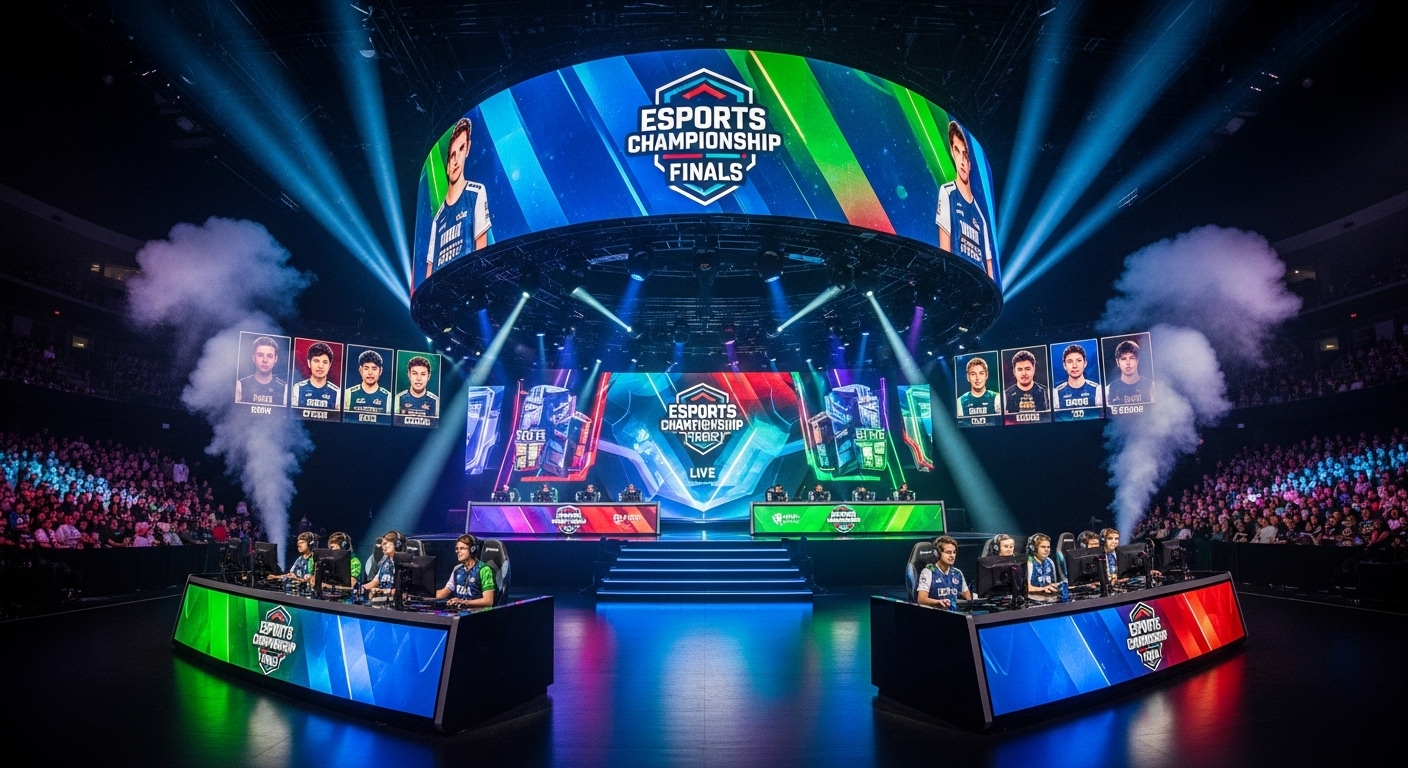
Unlike casual gaming, which is often played for fun, esports is all about the competitive edge. Players train just like athletes, with a focus on improving their skills, reflexes, communication, and teamwork. Esports events are often streamed live on platforms such as Twitch and YouTube, where millions of viewers tune in to watch their favorite players and teams compete.
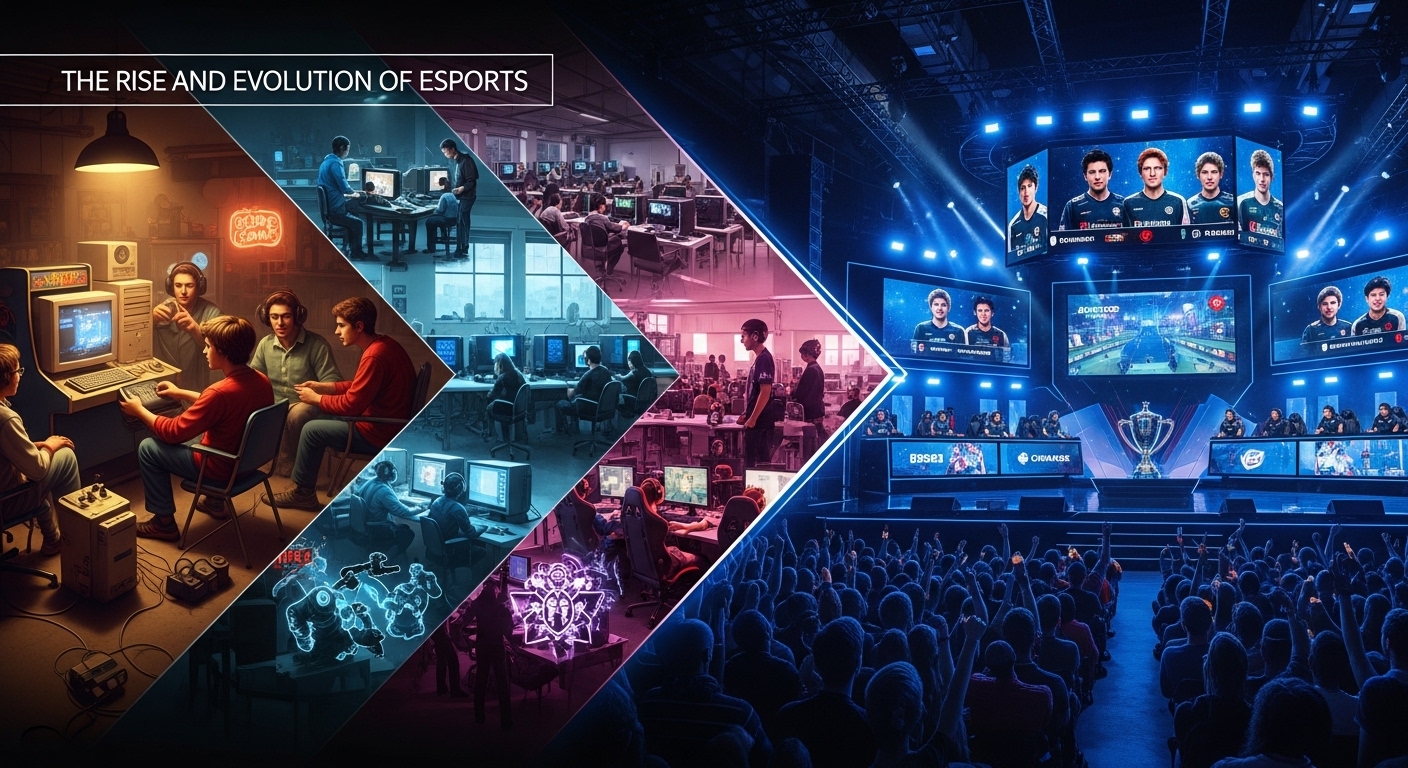
The History and Evolution of Esports
The roots of esports can be traced back to the early days of video gaming. In the 1970s and 1980s, arcade games like Space Invaders and Pong provided the first competitive experiences, albeit on a smaller scale. These games allowed players to compete for high scores, creating a sense of competition even in the earliest days of video gaming.
The first true esports event, however, occurred in 1997 with the Red Annihilation tournament for the game Quake. This event attracted professional players from around the world and offered a cash prize to the winner. Although the prize money was modest by today’s standards, the tournament set the stage for competitive gaming to evolve into the large-scale industry we see today.
In the early 2000s, esports began to gain traction in countries like South Korea, where games like StarCraft became incredibly popular. The establishment of professional esports leagues and tournaments in South Korea laid the foundation for the global growth of the industry. During this time, esports grew in popularity due to the rise of broadband internet, which enabled players to compete online, and the emergence of dedicated streaming platforms, which allowed fans to watch live events.
By the late 2000s and early 2010s, esports was becoming a global phenomenon. Major gaming tournaments, like The International (for Dota 2) and League of Legends World Championship, began to draw massive audiences and offer multi-million dollar prize pools. As the internet and streaming platforms continued to evolve, esports began to break into the mainstream, attracting sponsorships from major brands and even mainstream media coverage.
Key Factors Behind Esports’ Growth
Several key factors have contributed to the meteoric rise of esports in the past decade. Let’s explore some of the most important drivers behind the industry’s growth:
1. Technological Advancements
The evolution of technology, particularly in internet speeds, gaming hardware, and streaming platforms, has played a crucial role in esports’ rise. High-speed internet has made it easier for players to compete online, while advancements in gaming hardware have allowed developers to create visually stunning games with intricate mechanics that appeal to competitive players.
Streaming platforms like Twitch have revolutionized the way esports events are consumed. Fans no longer have to be physically present at tournaments to watch their favorite teams and players compete; they can tune in from the comfort of their own homes. The accessibility of these streaming platforms has allowed esports to reach global audiences, enabling millions to follow tournaments and engage with the community.
2. Cultural Shift
Esports has benefitted from a shift in culture, where gaming is no longer seen as a niche activity for a small group of enthusiasts. In fact, it has become a mainstream form of entertainment enjoyed by people of all ages and backgrounds. Gaming is increasingly viewed as a legitimate hobby and even a career for those with the right skills. With the rise of social media, players, teams, and organizations can build fan bases and directly engage with their audiences, creating a sense of community and increasing the popularity of esports.
The younger generation, in particular, has embraced esports. The rise of online streaming, gaming influencers, and professional gamers as celebrities has helped change the perception of video games from a pastime to a respected sport. Esports players are now seen as athletes, with many enjoying sponsorships and media deals similar to traditional athletes.
3. Professionalization of Esports
Another major factor in the growth of esports is the increasing professionalization of the industry. Teams and players now have the opportunity to sign contracts, receive salaries, and benefit from sponsorships and brand deals. Esports has also seen the development of dedicated training facilities, coaches, analysts, and nutritionists for players—paralleling the resources found in traditional sports. This shift towards professionalism has given esports a legitimacy that has attracted both investors and fans alike.
Esports organizations have grown into massive enterprises, signing sponsorship deals with major companies such as Intel, Coca-Cola, Mercedes-Benz, and Nike. These partnerships have provided the industry with the funding it needs to support large-scale tournaments, build better infrastructure, and ensure that players can make a living from their passion.
4. Prize Money and Sponsorships
The amount of prize money awarded in esports tournaments has exploded in recent years. In 2011, the prize pool for The International was $1 million. By 2019, the prize pool for the same event surpassed $30 million. Tournaments for other popular titles, such as League of Legends and CS:GO, offer similarly large prize pools, attracting top-tier players from around the world. The prospect of winning large sums of money has incentivized many players to pursue esports as a career, creating a competitive environment that drives excellence.
Sponsorships have also been a key contributor to esports’ financial growth. Global brands, from tech companies to food and beverage giants, have recognized the value of esports’ massive audience and the unique opportunities it offers for marketing and brand visibility. These sponsorships not only fund tournaments but also help support the growth of esports leagues and teams, ensuring that players have the resources and infrastructure to compete at the highest level.
The Future of Esports
As esports continues to evolve, what does the future hold for the industry? Several trends suggest that esports will continue to grow and become an even more integral part of global entertainment.
1. Increased Mainstream Recognition
Esports is already gaining recognition as a legitimate sport, but this trend is expected to accelerate in the coming years. We may see esports being included in major sporting events like the Olympics or other high-profile competitions. Some countries are already offering scholarships for students pursuing careers in esports, further validating its place in mainstream society.
2. Expanded Global Reach
Esports is a global industry, but certain regions still dominate. Countries like South Korea, China, and the United States have been esports hotbeds, but emerging markets in Europe, Latin America, and Southeast Asia are rapidly catching up. As internet infrastructure improves worldwide, more players and fans will have access to esports, driving further expansion.
3. Esports as a Career Path
In the future, it’s likely that more young people will view esports as a viable career path, similar to traditional sports. As the industry grows, educational programs will emerge to teach skills related to esports management, game design, broadcasting, and more. The idea of becoming a professional gamer will continue to appeal to the next generation, and the support systems around them—coaching, mental health resources, and performance analytics—will continue to improve.
4. Virtual and Augmented Reality
Virtual and augmented reality (VR/AR) technologies hold the potential to transform esports even further. VR gaming, in particular, offers a unique opportunity to create immersive esports experiences that are both exciting to play and watch. While VR esports is still in its infancy, it could represent the next frontier for the industry.
Conclusion
Esports has undergone a remarkable transformation from a niche hobby to a multi-billion-dollar industry. With its growing fan base, increasing prize pools, sponsorships from major brands, and professionalization of players and teams, esports is showing no signs of slowing down. The future looks bright, with new technologies, expanded global reach, and growing recognition on the horizon. As esports continues to evolve, it will undoubtedly play an even more prominent role in the world of entertainment and sports.