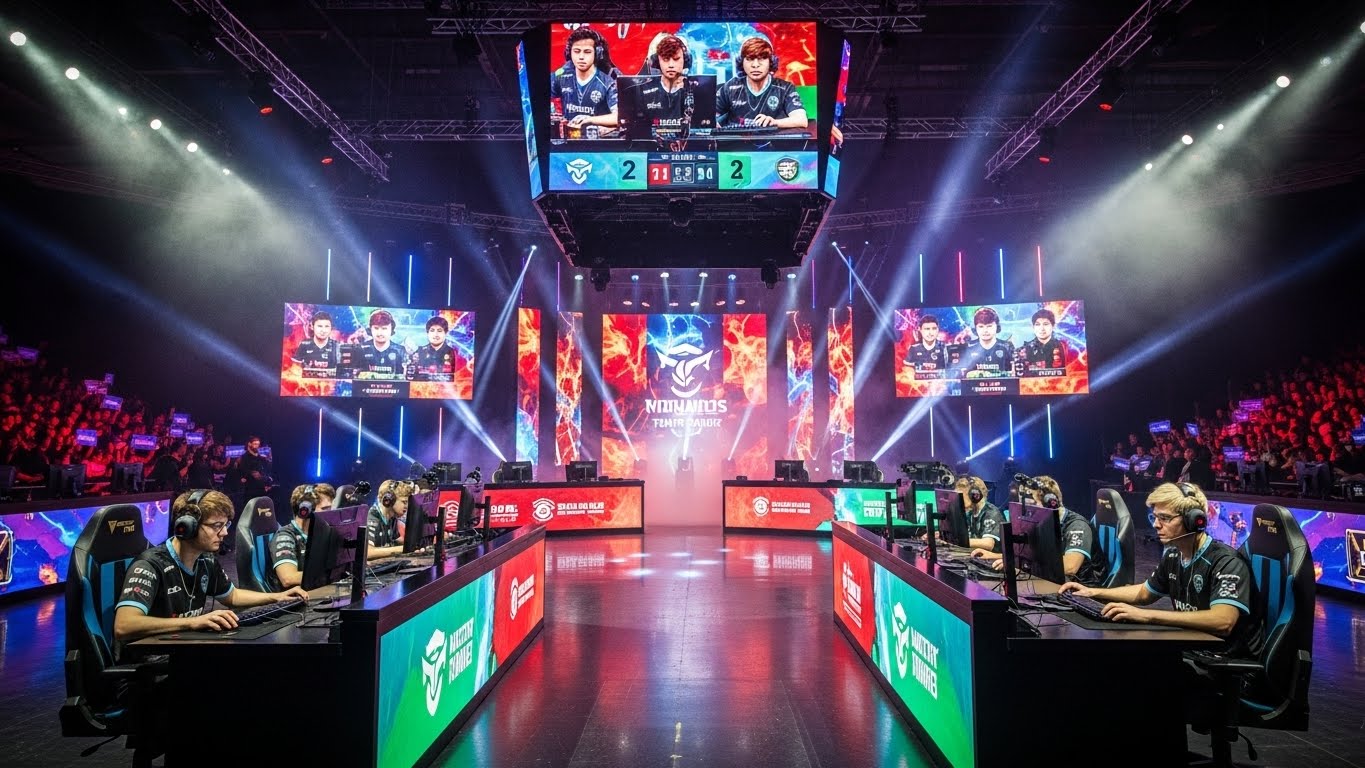
In the past two decades, the gaming industry has transformed from a niche hobby into a global cultural phenomenon. Among its most remarkable developments is the rise of Esports, a competitive form of video gaming that has captivated millions of players and viewers worldwide. From casual competitions to highly organized tournaments with multi-million-dollar prize pools, Esports has evolved into a legitimate career path and a cultural movement.
Understanding Esports: More Than Just Gaming
At its core, Esports refers to competitive video gaming where players compete individually or in teams across a variety of video games. Unlike traditional sports, Esports is not limited by geography or physical ability. Players can compete globally from the comfort of their own homes or in professional arenas designed to showcase their skills.
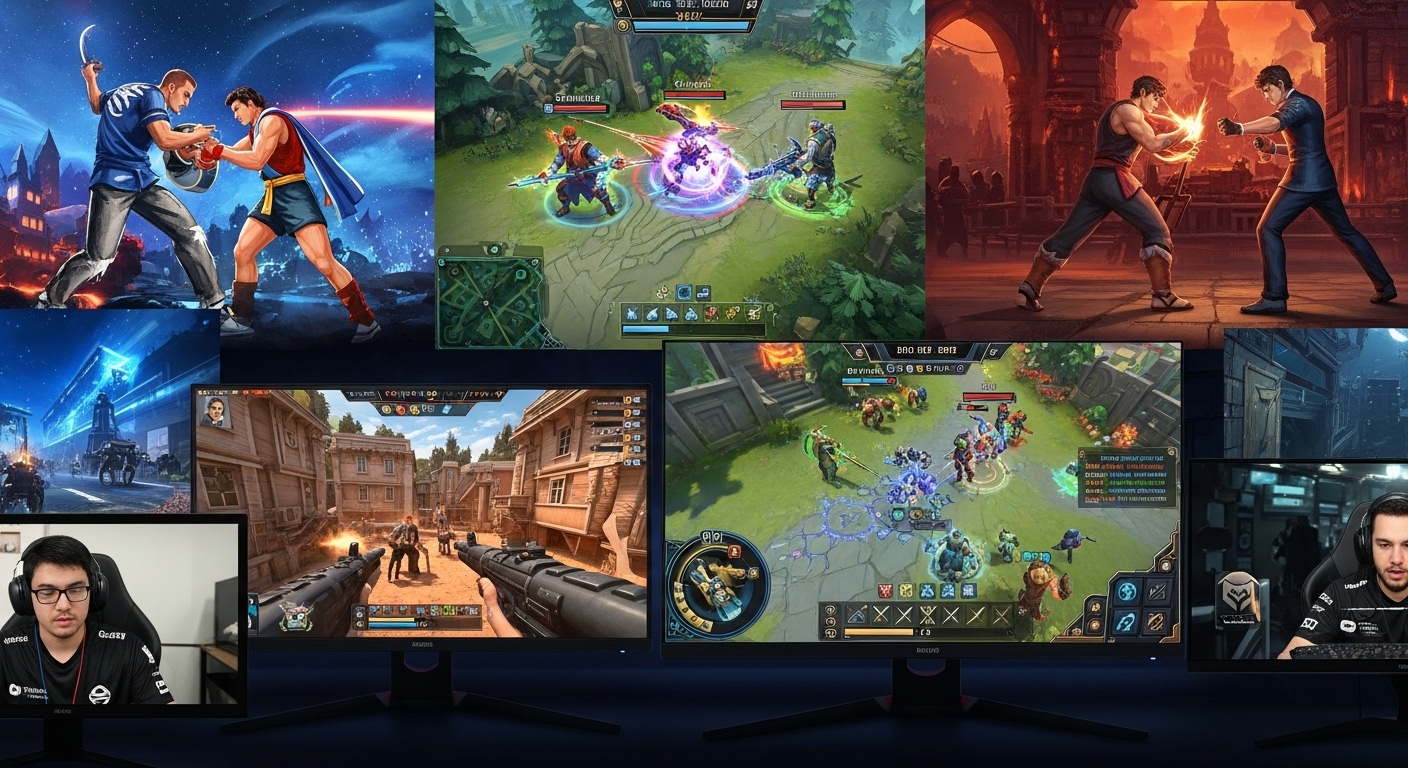
Esports competitions range from small community events to massive international tournaments broadcast on platforms like Twitch, YouTube, and even mainstream television networks. The games themselves vary in style, including strategy games, first-person shooters, fighting games, and sports simulations. Popular titles like League of Legends, Dota 2, Counter-Strike: Global Offensive, Fortnite, and Call of Duty dominate the competitive scene, each with its own unique fanbase and tournament ecosystem.
The History of Esports: From LAN Parties to Global Arenas
Esports has humble beginnings. In the late 1970s and 1980s, video game competitions were small, local events often held in arcades or community centers. The famous 1980 Space Invaders Championship is considered one of the first large-scale gaming competitions, attracting thousands of participants.
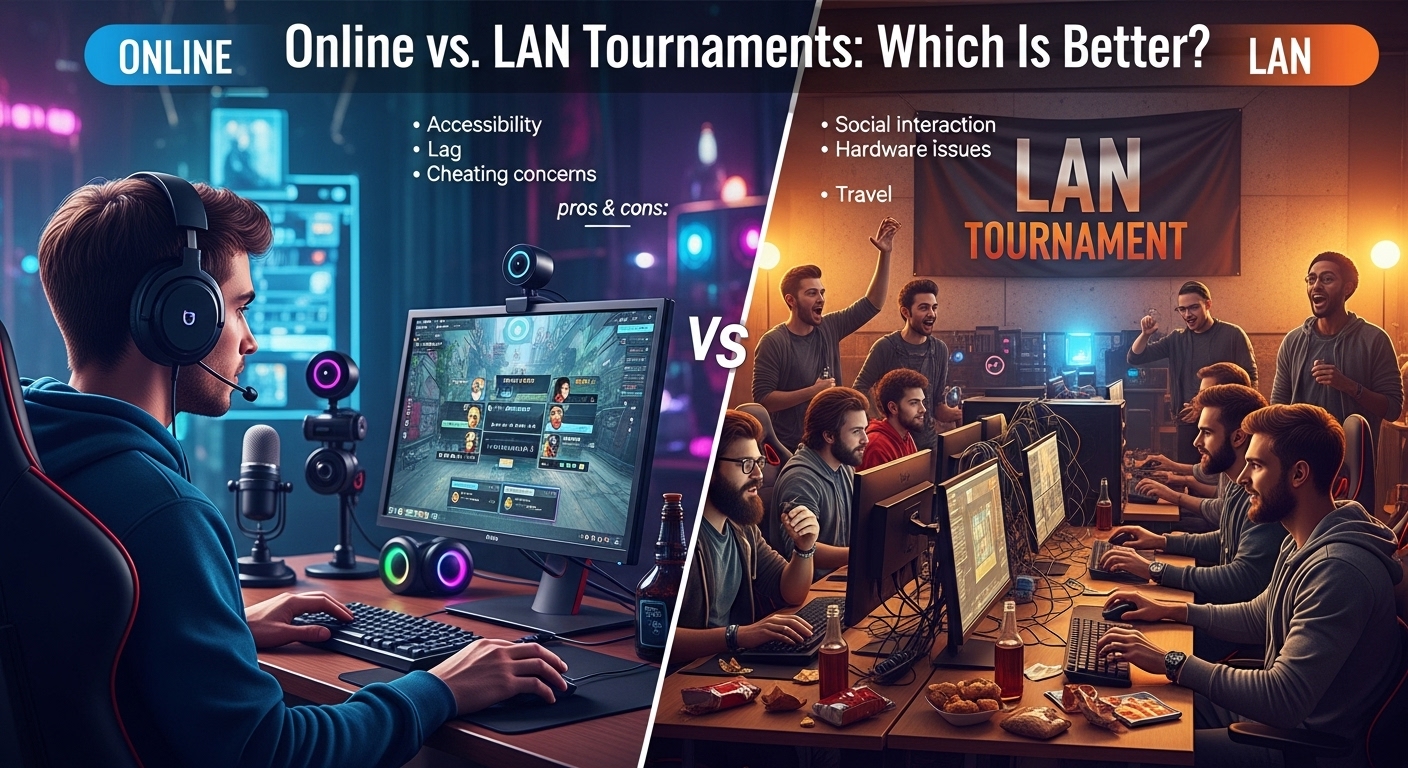
The 1990s marked the rise of competitive PC gaming, with games like Quake and StarCraft pioneering online tournaments. LAN (Local Area Network) parties became a popular way for players to compete in real-time. These events fostered a sense of community among gamers and laid the foundation for modern competitive gaming.
By the early 2000s, Esports began transitioning from niche gatherings to structured competitions. South Korea, in particular, became a hotspot for professional gaming, especially with the rise of StarCraft: Brood War. Professional gamers in Korea gained celebrity status, and televised matches attracted millions of viewers. This era demonstrated that competitive gaming could be both entertaining and profitable.
Esports as a Professional Career
Today, Esports is a viable career path for players, coaches, analysts, content creators, and even event organizers. Professional players sign contracts with gaming organizations, receive salaries, and compete in tournaments with substantial prize pools. Top-tier players can earn millions annually from winnings, sponsorships, and streaming revenue.
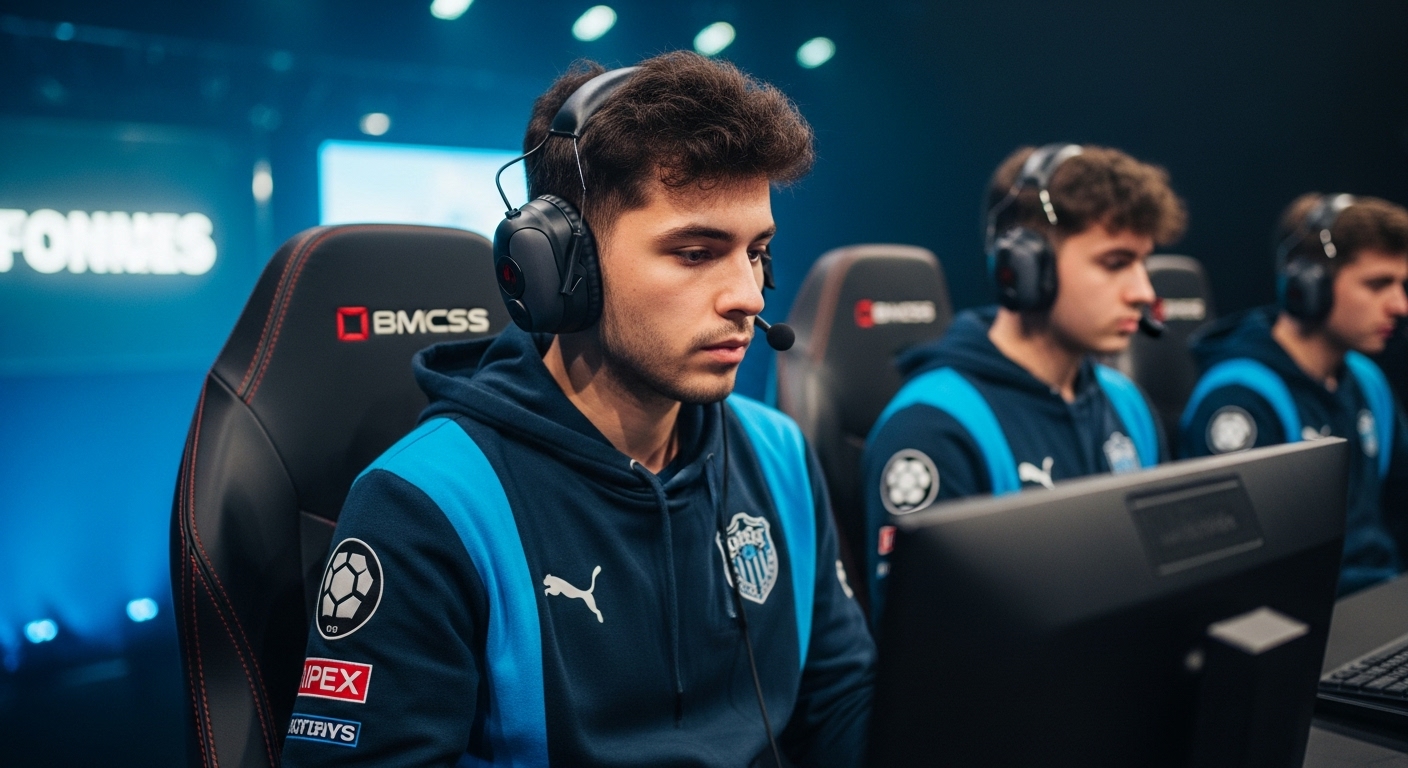
The professional scene is supported by teams, much like traditional sports clubs. Organizations like Team Liquid, Fnatic, Cloud9, T1, and G2 Esports have become household names in the gaming world. These teams recruit talent globally, provide coaching and training, and manage marketing and brand partnerships.
Beyond players, careers in Esports extend to coaching, analysis, broadcasting, event management, and social media management. The growth of the industry has created a diverse ecosystem where multiple skill sets are valued, offering opportunities for those who may not want to compete but still want to be part of the scene.
Major Esports Tournaments and Events
The success of Esports is largely driven by tournaments and events, which attract millions of viewers and sponsorships. Some of the most prestigious events include:
- The International (Dota 2): Known for its massive prize pools, often exceeding $40 million, The International is the pinnacle of Dota 2 competition. It features teams from around the world competing in intense, high-stakes matches.
- League of Legends World Championship: This annual tournament draws massive global viewership, with millions tuning in to watch their favorite teams compete. Its popularity rivals traditional sports championships.
- CS:GO Majors: Counter-Strike: Global Offensive has a long history of competitive tournaments known as “Majors,” featuring elite teams from multiple regions.
- Fortnite World Cup: A newer addition to the Esports world, Fortnite introduced battle royale competitions with large prize pools and mainstream media coverage.
These tournaments are not just competitive events—they are entertainment spectacles. They feature live commentary, production quality akin to television broadcasts, and fan engagement through social media, cosplay, and community events.
The Role of Streaming in Esports Growth
The growth of Esports is inseparable from the rise of streaming platforms. Services like Twitch, YouTube Gaming, and Facebook Gaming have revolutionized how fans consume content. Live streams allow viewers to watch games in real-time, interact with players, and even learn strategies from professionals.
Streaming has also created opportunities for players to build personal brands, gain sponsorships, and generate income beyond tournament winnings. Many professional players maintain active streaming channels, offering insights into their gameplay and personalities, further blurring the line between athletes and entertainers.
Additionally, streaming platforms enable smaller tournaments and grassroots competitions to reach global audiences. Amateur players can gain recognition, and communities form around shared interests, fueling the overall growth of the industry.
The Economics of Esports
Esports has grown into a multi-billion-dollar industry, attracting investments from venture capitalists, traditional sports organizations, and global brands. Revenue comes from various streams, including sponsorships, advertising, merchandise, ticket sales, and media rights.
Corporate sponsors like Intel, Red Bull, Nike, Coca-Cola, and Razer recognize the marketing potential of Esports, reaching young, tech-savvy audiences who may be less engaged with traditional media. Advertisements during live streams, branded content, and event sponsorships generate significant income for both organizers and players.
Merchandising has also become a lucrative sector, with team jerseys, in-game items, collectibles, and other branded merchandise contributing to overall revenue. Additionally, media rights for broadcasting tournaments on streaming platforms and television have become a significant source of income, similar to traditional sports leagues.
Esports and Education
The influence of Esports has extended into education as well. Many universities and colleges now offer Esports programs, scholarships, and competitive teams. These programs combine gaming with academic pursuits such as game design, computer science, marketing, and management.
Students can develop critical skills such as teamwork, strategic thinking, communication, and leadership through competitive gaming. Collegiate Esports leagues are gaining popularity, providing a pathway for young players to transition into professional careers.
Moreover, Esports has sparked interest in STEM fields. Game development, programming, data analytics, and broadcasting are all integral parts of the Esports ecosystem, encouraging students to pursue technology-related disciplines.
Esports’ Cultural Impact
Esports has significantly impacted global culture. Gaming is no longer a solitary or niche activity—it is a shared social experience with vibrant communities and fan bases. Events are social gatherings where fans celebrate their favorite players, engage in cosplay, and participate in discussions online and offline.
Esports has also influenced mainstream entertainment. Professional players and tournaments are featured in media coverage, documentaries, and even music collaborations. Influencers and streamers have become celebrities, shaping trends and inspiring new generations to explore gaming professionally.
The inclusivity of Esports is notable. Unlike traditional sports, physical size, gender, or geographic location is less of a barrier. Women, individuals with disabilities, and players from developing regions can compete at the highest levels, promoting diversity and broadening the appeal of competitive gaming.
Challenges Facing the Esports Industry
Despite its rapid growth, Esports faces several challenges. One major issue is player burnout. Professional gamers often train for 8–12 hours daily, leading to physical and mental health concerns, including repetitive strain injuries, stress, and sleep deprivation. Organizations are increasingly emphasizing wellness programs and proper training schedules to combat these issues.
Another challenge is monetization. While the industry generates substantial revenue, smaller teams and players often struggle to sustain themselves financially. Prize pools are heavily concentrated among top-tier tournaments, making consistent income difficult for many aspiring players.
Esports also faces regulatory challenges. Issues such as player contracts, team ownership, and tournament governance require clear policies to ensure fairness and transparency. Unlike traditional sports with decades of established regulations, Esports is still developing its institutional framework.
Finally, public perception remains a barrier in some regions. While Esports is gaining recognition, some still view gaming as a recreational activity rather than a legitimate profession. Education, media coverage, and success stories from professional players are gradually changing this perception.
The Future of Esports
The future of Esports looks incredibly promising. Technological advancements like virtual reality (VR), augmented reality (AR), and artificial intelligence (AI) will shape the next generation of competitive gaming experiences. Imagine VR tournaments where players compete in fully immersive environments, or AI-driven analysis that helps teams develop superior strategies.
The industry is also likely to see greater global expansion. Emerging markets in Asia, Latin America, Africa, and the Middle East are experiencing rapid growth in gaming communities and infrastructure, providing new opportunities for players and investors.
Integration with traditional sports is another exciting trend. Football clubs, basketball teams, and other sports organizations are investing in Esports teams, bridging the gap between digital and physical sports. Collaborations with mainstream media, merchandise, and sponsorships will continue to elevate Esports to unprecedented heights.
Conclusion: Esports as a Cultural Phenomenon
Esports has come a long way from its humble beginnings in arcades and LAN parties. Today, it is a global cultural phenomenon, a professional career path, and a powerful form of entertainment. With millions of fans, lucrative sponsorships, and a thriving professional scene, Esports has proven that competitive gaming is more than a pastime—it is an industry shaping the future of digital entertainment.
As technology continues to advance and more people embrace gaming as a legitimate pursuit, Esports will continue to grow in scope, influence, and impact. Whether you are a casual gamer, a professional competitor, or a passionate fan, Esports offers a dynamic and exciting world where skill, strategy, and entertainment converge.