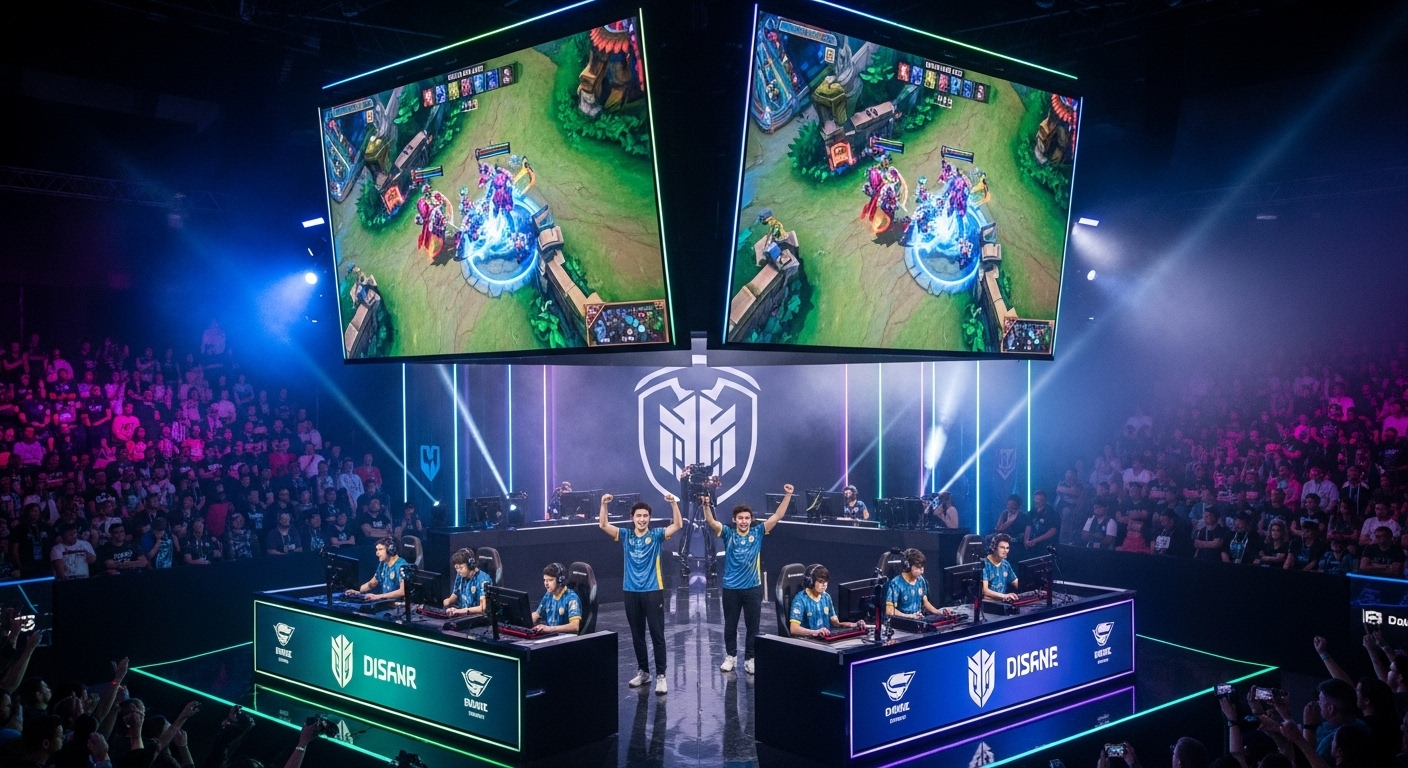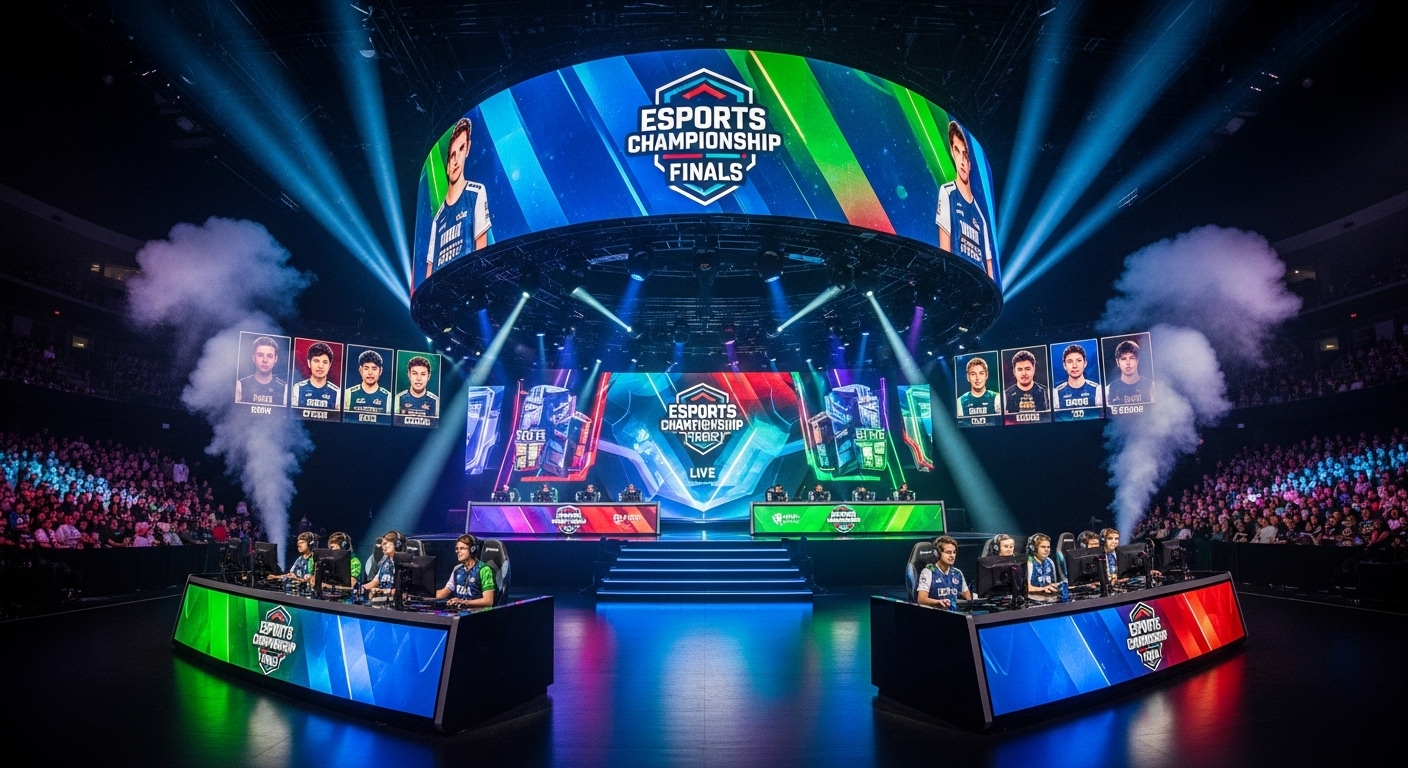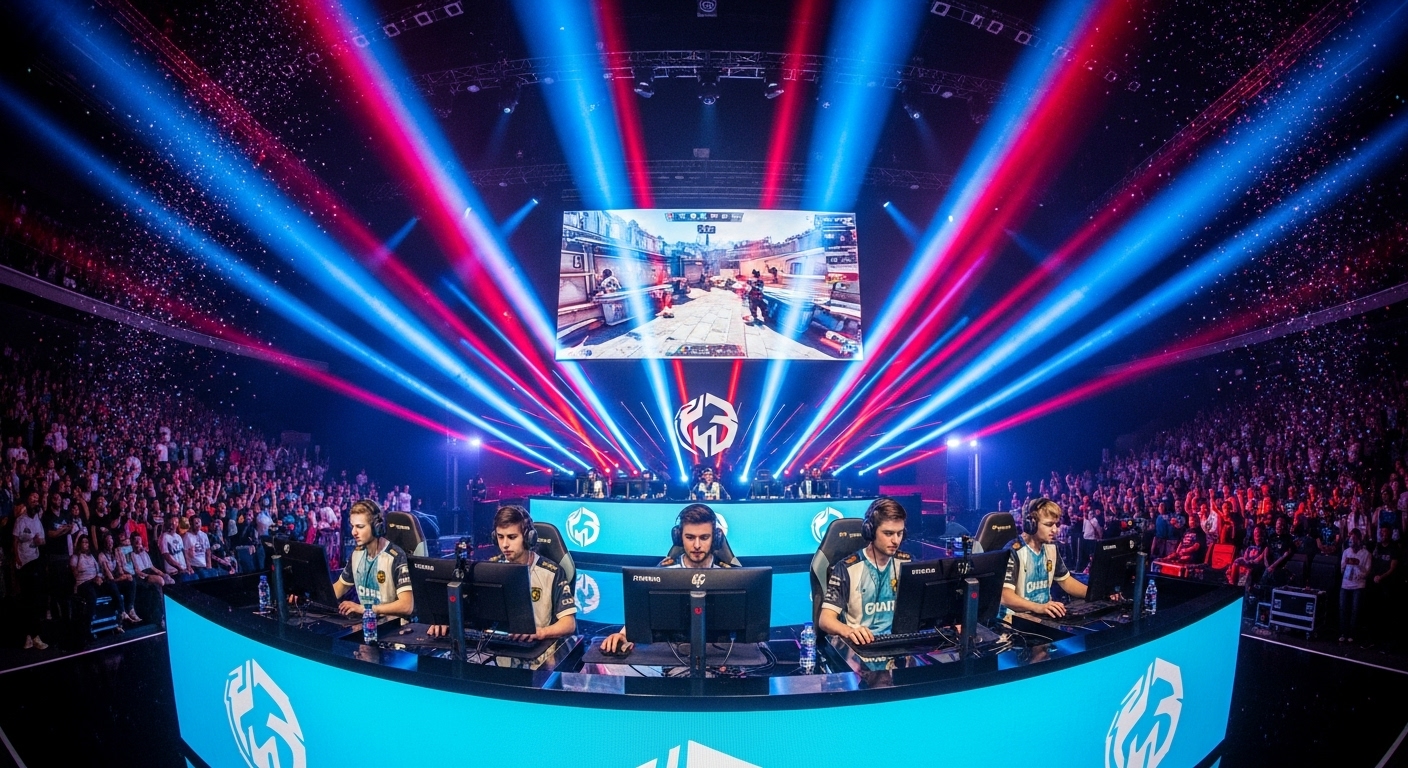
In the past two decades, the world has witnessed a remarkable transformation in the realm of entertainment and competition. From the smoky arcades of the 1980s to massive international arenas filled with roaring fans, esports has evolved from a niche hobby into a billion-dollar global industry. What was once considered a pastime for a small group of passionate gamers is now a mainstream phenomenon that rivals traditional sports in both audience size and cultural influence. This blog explores the fascinating journey of esports, its rise to prominence, the impact on society, and what the future might hold for this digital revolution.
The Early Roots of Competitive Gaming
The story of esports begins long before the age of high-speed internet and live streaming. In the early days of gaming during the 1970s and 1980s, competition was mostly local. The first known video game competition took place at Stanford University in 1972, where students competed in the game Spacewar!. The prize was modest—a year’s subscription to a magazine—but it marked the beginning of organized digital competition.
As technology progressed, arcades became the battlegrounds for gamers. Titles like Pac-Man, Donkey Kong, and Space Invaders became cultural icons, and players competed for the highest scores displayed proudly on arcade leaderboards. The 1980 Space Invaders Championship organized by Atari drew more than 10,000 participants across the United States, a groundbreaking event that hinted at the potential of competitive gaming.
However, it was the emergence of home consoles and personal computers in the 1990s that truly laid the foundation for esports. Games like Street Fighter II, Doom, and StarCraft ignited communities of competitive players, and small-scale tournaments began appearing worldwide. The late 1990s saw the rise of online multiplayer gaming, with titles like Quake and Counter-Strike paving the way for the modern esports structure.
The Birth of Modern Esports
The 2000s marked the true beginning of the esports industry as we know it. High-speed internet allowed players to compete globally rather than locally, and online gaming communities flourished. South Korea played a pivotal role in this transformation. After the Asian financial crisis in the late 1990s, the South Korean government invested heavily in broadband infrastructure, creating perfect conditions for online gaming to thrive.
Games like StarCraft: Brood War became national obsessions, with professional players achieving celebrity status. Television channels dedicated to broadcasting esports matches emerged, and packed stadiums began hosting live tournaments. This was the dawn of professional gaming leagues, where players signed contracts, trained rigorously, and competed for large prize pools.
Meanwhile, in the West, tournaments such as the Cyberathlete Professional League (CPL) and Major League Gaming (MLG) began organizing large-scale competitions for games like Halo, Counter-Strike, and Warcraft III. These events attracted sponsors and audiences both in-person and online, signaling that esports was no longer just a hobby—it was becoming a career path and a legitimate sport.
The Explosion of Esports in the 2010s
The 2010s were the decade that catapulted esports into mainstream consciousness. Streaming platforms like Twitch and YouTube Gaming revolutionized how audiences consumed gaming content. Players no longer had to rely on television networks or highlight reels; they could watch matches live, interact with their favorite players, and even stream their own gameplay.
Games such as League of Legends, Dota 2, and Counter-Strike: Global Offensive defined this era. The League of Legends World Championship and The International for Dota 2 drew millions of viewers globally and offered prize pools that rivaled those of traditional sports tournaments. The International 2019 boasted a staggering prize pool exceeding $30 million, funded largely by the game’s community—a testament to the immense support and passion of esports fans.
The growth of esports organizations also mirrored that of professional sports teams. Franchises like Team Liquid, Fnatic, Cloud9, and T1 became household names within the gaming community. These organizations not only focused on competition but also developed branding, sponsorships, and merchandise, turning themselves into global entertainment brands.
The Role of Technology in Shaping Esports
The technological advancements of the 21st century have been the backbone of esports’ evolution. From powerful gaming PCs and consoles to virtual reality and mobile platforms, technology has continually expanded the accessibility and scope of competitive gaming.
High-speed internet made online tournaments feasible and fair. Live-streaming services democratized content creation, allowing anyone with skill and charisma to build an audience. Cloud gaming and improved graphics engines enhanced the visual appeal of games, making esports events exciting to watch even for non-gamers.
Moreover, data analytics and AI have entered the esports landscape, helping teams analyze gameplay strategies, scout opponents, and improve performance. Some professional teams now employ analysts and coaches similar to those in football or basketball, highlighting the growing professionalism within the scene.
The Globalization of Esports
Esports has transcended borders, cultures, and languages. From Asia to Europe, North America to the Middle East, competitive gaming has found enthusiastic audiences everywhere. South Korea remains a powerhouse, but countries like China, the United States, and Sweden have also become major players in the global esports ecosystem.
China’s investment in esports has been monumental. Massive arenas, government support, and integration of esports into education have helped the nation become a central hub for international competitions. In Europe, nations such as Denmark, Germany, and France have embraced esports with open arms, hosting some of the most prestigious tournaments.
Meanwhile, emerging regions like Southeast Asia, the Middle East, and South America are experiencing explosive growth in mobile esports. Titles like Mobile Legends: Bang Bang, PUBG Mobile, and Free Fire have brought competitive gaming to millions of players who may not have access to high-end gaming PCs but can compete via smartphones.
Esports as a Legitimate Career Path
For many years, the idea of making a living by playing video games was dismissed as unrealistic. Today, that perception has changed dramatically. Esports athletes can earn substantial incomes through tournament winnings, sponsorships, streaming, and brand partnerships. Top players earn millions annually, and their influence often extends beyond gaming into mainstream culture.
Additionally, esports has created thousands of jobs beyond playing. There are coaches, analysts, event organizers, broadcasters, designers, social media managers, and marketing professionals—all contributing to a thriving industry ecosystem. Universities around the world now offer esports scholarships and degrees in game management, digital marketing, and interactive media, further legitimizing it as a career field.
The Community and Culture of Esports
Esports is more than competition—it is a culture that thrives on community. Fans engage with players through social media, live chats, and forums, forming deep connections that mirror those between traditional sports fans and their favorite athletes. Events like DreamHack, BlizzCon, and EVO combine gaming tournaments with fan conventions, cosplay, and music, celebrating gaming as both sport and art.
Online platforms have also given rise to a new kind of celebrity. Streamers and content creators often enjoy massive followings, bridging the gap between professional esports and casual gaming culture. Figures like Ninja, Shroud, and Pokimane have become cultural icons, influencing fashion, entertainment, and even charitable initiatives.
The Impact of Esports on Traditional Sports
Traditional sports organizations have taken notice of esports’ rapid growth and global appeal. Many major sports franchises have invested in esports teams or partnered with gaming leagues. For instance, football clubs have created esports divisions that compete in FIFA tournaments, while basketball leagues like the NBA launched the NBA 2K League.
This crossover has helped bridge generations. Younger audiences who might not follow traditional sports are engaging with digital competitions, while established athletes are finding new ways to connect with fans through gaming. The lines between physical and digital sports continue to blur, as both industries learn from each other’s successes.
Challenges Facing the Esports Industry
Despite its success, esports still faces several challenges. The industry’s rapid growth has created issues related to player burnout, financial sustainability, and regulation. Many players start their careers in their teens, facing intense pressure, long practice hours, and limited career longevity.
There are also concerns about cheating, match-fixing, and the integrity of online competitions. As with any professional sport, maintaining fair play is crucial for credibility. Furthermore, the fragmented nature of esports—where each game has its own league and rules—makes it difficult to establish universal governance or standardized structures.
Mental health and inclusivity are also important topics. The industry is becoming more aware of the need to support players’ well-being and to foster diversity within gaming communities. Initiatives promoting female participation and safe online spaces are growing, helping shape a more inclusive future for esports.
The Future of Esports
The future of esports looks exceptionally bright. Analysts predict that global esports revenues will continue to grow exponentially, driven by sponsorships, media rights, and expanding fan bases. With technological innovations like virtual reality, augmented reality, and the metaverse, esports is poised to redefine interactive entertainment once again.
Educational institutions are embracing esports as a tool for learning teamwork, communication, and problem-solving. Governments are recognizing it as a legitimate sport, and the possibility of esports appearing in major global sporting events, such as the Olympics, is no longer far-fetched.
Moreover, as gaming continues to evolve, new genres and platforms will emerge. Mobile gaming, cloud-based tournaments, and cross-platform competitions will ensure that esports remains dynamic and accessible to everyone.
Conclusion: The Digital Revolution of Competition
Esports has transcended its origins as a hobby to become a defining feature of modern culture. It combines the thrill of competition with the creativity of digital entertainment, capturing the imagination of millions worldwide. From passionate players in small local tournaments to global championships broadcast to millions, esports represents a new chapter in human competition—one that values skill, strategy, and community over physical boundaries.
As technology continues to evolve and society becomes more interconnected, the story of esports is far from over. In fact, it’s only just beginning. The future belongs to the digital athletes, the fans who cheer them on, and the boundless worlds that gaming continues to create.