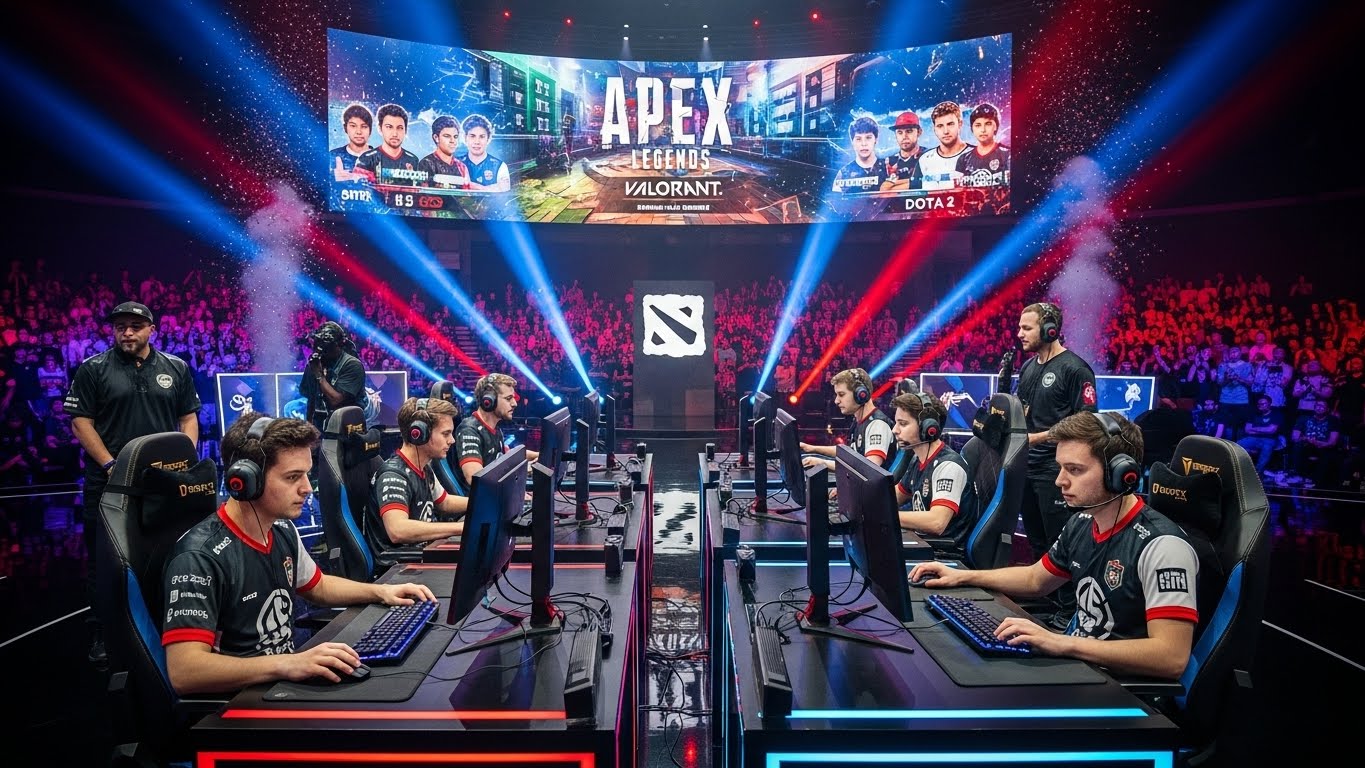
Esports has rapidly transformed from a niche hobby enjoyed by passionate gamers into an international spectacle that draws millions of viewers, generates significant revenue, and shapes youth culture worldwide. What was once dismissed as a pastime has evolved into a fully structured industry with professional athletes, global tournaments, high-stakes competition, and a dedicated fanbase. This blog explores the journey of esports, its impact on society, and the factors driving its explosive growth.
The Evolution of Competitive Gaming
Esports did not emerge overnight. Its roots trace back to the early arcade and console days when players competed for high scores and bragging rights. The shift toward organized competitions began in the late twentieth century with titles like Street Fighter, Counter-Strike, and StarCraft. These early tournaments often took place in small venues or community centers and were driven solely by gaming passion rather than financial gain.
As internet connectivity improved, multiplayer gaming expanded. Gamers could now face opponents from around the world, paving the way for larger competitions. Gradually, local tournaments evolved into regional championships, and regional championships expanded into global leagues. What started as small gatherings grew into an ecosystem supported by sponsors, teams, analysts, and broadcasters.
This evolution laid the groundwork for the esports industry we see today—a structured, vibrant world where players train rigorously, fans cheer for their favorite teams, and events attract audiences that rival traditional sports.
What Sets Esports Apart from Traditional Sports
While esports shares similarities with traditional sports in terms of competitive structure, it stands out in several key areas. The most significant difference lies in accessibility. Anyone with a computer or gaming console can participate, making esports one of the most inclusive competitive activities. Unlike physical sports that may require specific body types or physical abilities, esports focuses on strategy, reaction time, and mental sharpness.
Another distinctive element is its constant evolution. Games frequently update, expand, or change entirely. This keeps the esports ecosystem fresh and dynamic, with new strategies emerging regularly. Traditional sports have remained largely unchanged for decades, whereas esports thrives on continual reinvention.
Additionally, esports integrates technology at every level. Advanced streaming services broadcast competitions globally. Social media platforms keep fans updated in real time. Game developers collaborate directly with esports organizers to ensure competitive balance and engaging gameplay. This synergy between technology and entertainment gives esports a uniquely modern appeal.
The Rise of Professional Esports Athletes
Today, professional esports players are highly trained individuals dedicated to their craft. They undergo rigorous daily practice, study opponents’ gameplay, and work closely with coaches, analysts, and teammates. In many ways, their schedule mirrors that of professional athletes in traditional sports.
Training includes mechanical skill improvement, team strategy development, mental coaching, and physical conditioning. Contrary to misconceptions, physical wellness plays a vital role in esports. Players must maintain excellent focus, reaction times, and stress management, all of which require a balanced lifestyle.
As esports grows, more training facilities, boot camps, and academies have emerged. Organizations now invest heavily in the development of rising talent, ensuring a continuous pipeline of skilled players ready to compete at the highest levels. The dedication of these athletes reflects the seriousness and professionalism within modern esports.
The Global Audience and Fan Culture
One of the most remarkable aspects of esports is its diverse and global audience. Fans from different backgrounds unite to support their favorite teams and players across multiple regions. Unlike traditional sports, where fandom is often tied to geographic location, esports fans are drawn by personality, skill, and game preference.
Streaming platforms allow fans to watch tournaments and interact with players in real time. This level of accessibility fosters strong community connections. Fans not only follow competitions but also engage in discussions, create artwork, develop fan theories, and build friendships with other enthusiasts.
Large-scale tournaments generate buzz similar to major sporting events. Packed arenas filled with enthusiastic spectators showcase the intense excitement and emotional investment fans feel. The blend of digital viewership and live audiences creates a unique culture that continues to grow exponentially.
Esports as a Career Path
The rise of esports has created diverse career opportunities beyond professional play. Content creators, commentators, analysts, coaches, managers, and event coordinators are all essential to the industry’s ecosystem. Many universities now offer scholarships for esports athletes, and academic programs focusing on esports management and game design are becoming common.
For many young people, esports provides a path that combines passion and professional development. While the road to becoming a pro player is highly competitive, the industry offers numerous alternative roles that support its structure and expansion. The increasing legitimacy of esports as a career has encouraged parents, educators, and organizations to take it more seriously.
Economic Impact and Industry Growth
Esports has grown into a multi-billion-dollar industry powered by sponsorships, advertising, merchandise, media rights, and tournament winnings. Major brands across technology, automotive, food, and apparel have invested heavily in esports, recognizing its influence on younger demographics.
The economic impact extends beyond sponsorship. Cities around the world host esports tournaments, bringing significant tourism and revenue. Dedicated esports arenas have also been constructed, showcasing the industry’s long-term commitment and stability.
Game developers play a central role in shaping the esports landscape. Their collaboration with tournament organizers ensures balanced gameplay, engaging formats, and new content that keeps the community excited. This partnership drives innovation and maintains the momentum of the industry.
The Educational Influence of Esports
Esports is increasingly being embraced within educational institutions. High schools and colleges worldwide are forming esports clubs and teams, promoting teamwork, strategic thinking, and leadership skills. Students learn communication, problem-solving, and decision-making, all essential life skills.
Furthermore, esports encourages technological literacy. Students gain exposure to software, hardware, broadcasting, and content creation. This blend of education and entertainment provides a modern approach to student engagement and development.
Challenges Facing the Esports Industry
Despite its growth, esports faces several challenges. Maintaining player health is a major concern. Long practice hours can lead to burnout, stress, and physical strain. Organizations must continue improving support systems for players’ mental and physical well-being.
Regulation is another challenge. With global audiences and international competitions, establishing consistent rules, player contracts, and ethical guidelines is complex. Ensuring fair play, preventing cheating, and managing player rights require coordinated efforts across regions.
Additionally, the rapid pace of technological change means games can quickly become outdated. Sustaining long-term interest in specific titles requires careful management from developers and organizers.
The Future of Esports
The future of esports looks exceptionally bright. Advancements in virtual reality, augmented reality, and improved internet infrastructure may transform how games are played and experienced. Esports could become even more immersive, blurring the lines between digital and physical competition.
As esports continues integrating into mainstream entertainment, collaborations with traditional sports, music, and film industries will create new opportunities. Educational and career pathways will expand further, supporting a new generation of professionals.
Ultimately, esports is more than gaming. It is a cultural movement that celebrates creativity, competition, and community. Its global reach and technological foundation position it as a defining force in modern entertainment.