Introduction: More Than Just Playing Games
Esports, short for electronic sports, has evolved from casual competitive gaming into a global industry that rivals traditional sports in viewership, revenue, and cultural impact. What once began in small LAN cafés and bedrooms has transformed into packed arenas, million-dollar prize pools, and professional athletes followed by millions of fans worldwide. Esports today is not merely about winning a game; it is about strategy, teamwork, discipline, branding, and storytelling. This blog explores how esports rose to prominence, how it functions as an industry, and why it represents the future of competitive entertainment.
The Early Foundations of Competitive Gaming
The roots of esports can be traced back to the late twentieth century when arcade games and early computer titles encouraged competitive play. Games like Space Invaders and Street Fighter sparked informal tournaments, laying the groundwork for organized competition. As internet connectivity improved, multiplayer gaming became more accessible, allowing players from different regions to compete in real time. This shift was critical, as it transformed gaming from a solitary activity into a shared, competitive experience.
In the early 2000s, games such as Counter Strike, StarCraft, and Warcraft III helped formalize esports. South Korea, in particular, played a pivotal role by broadcasting matches on television and treating professional gamers as celebrities. This era proved that competitive gaming could attract large audiences and sustain professional careers.
The Evolution into a Global Industry
What distinguishes modern esports from its early days is scale. Today, esports is a multi-billion-dollar industry supported by game publishers, sponsors, advertisers, and media platforms. Professional leagues operate with structured seasons, player contracts, coaching staff, and analysts. Teams function like traditional sports organizations, complete with training facilities, nutrition plans, and performance metrics.
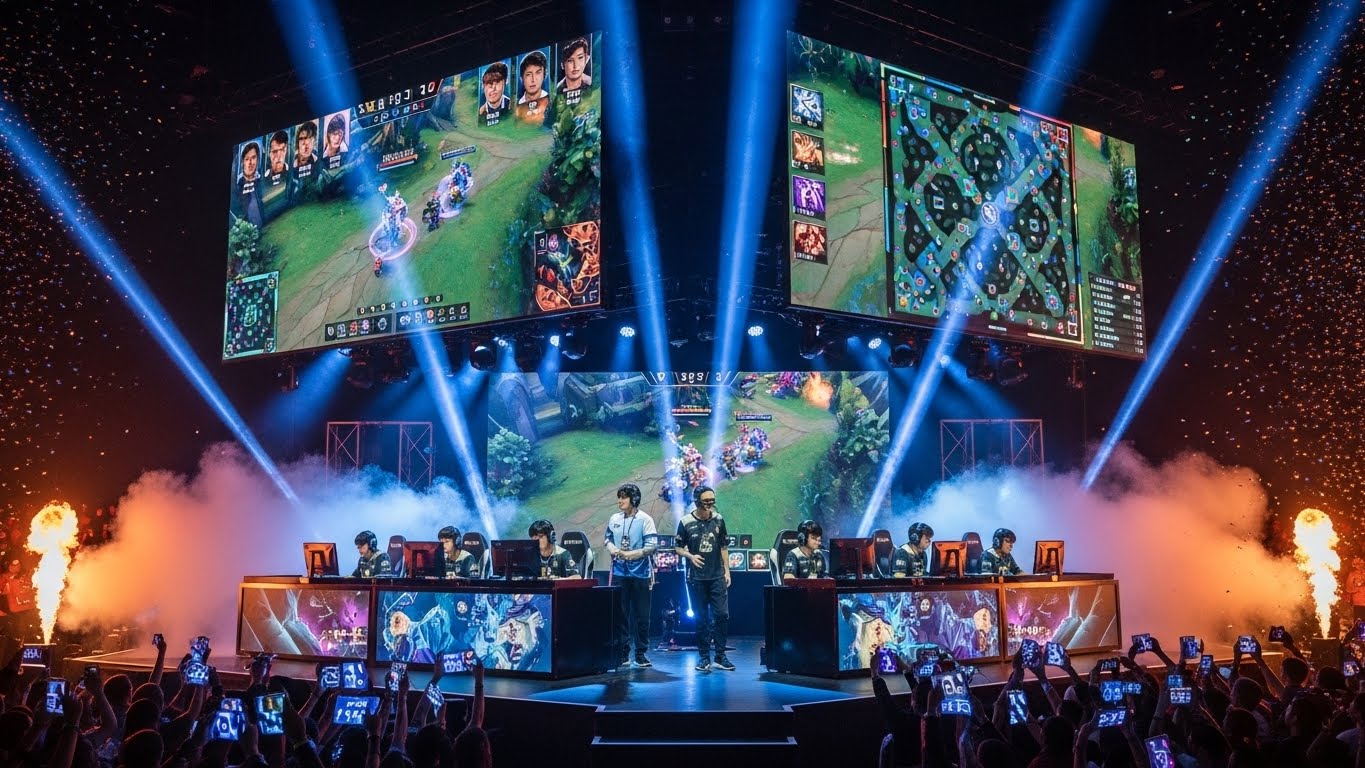
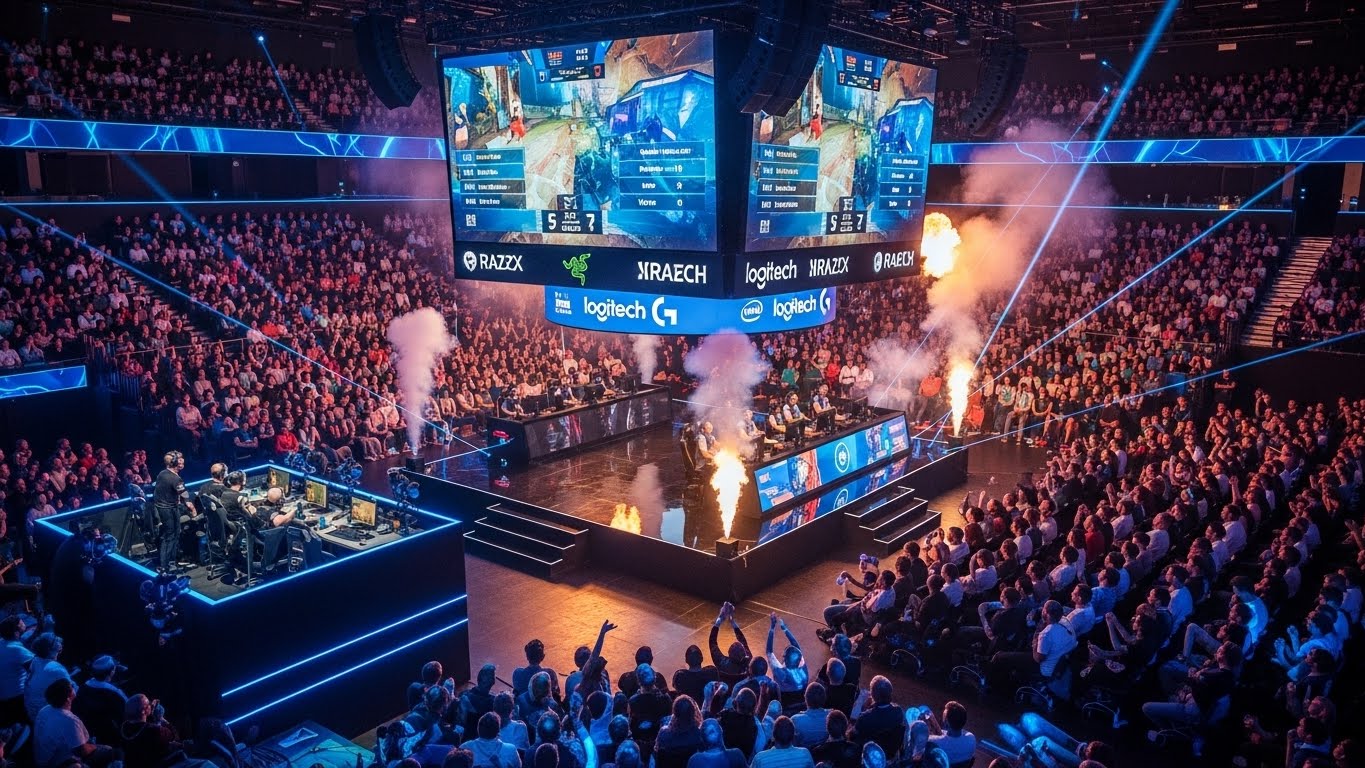
Major tournaments fill stadiums and attract online viewership that can surpass traditional sporting events. This global reach has allowed esports to transcend geographical boundaries, uniting fans through shared passion rather than location. The accessibility of streaming platforms has been instrumental in this growth, enabling fans to watch matches live, interact with players, and participate in the community.
Popular Esports Titles and Their Appeal
Different esports titles attract different audiences, but all share a common foundation of skill-based competition. Multiplayer online battle arena games emphasize teamwork and strategy, first-person shooters reward precision and reflexes, and real-time strategy games test decision-making under pressure. Sports simulation games add another layer by blending traditional sports fandom with gaming culture.
The appeal of these games lies in their depth. At the professional level, every move is calculated, every mistake is costly, and every victory is earned. Fans appreciate not only the action but also the strategic layers beneath the surface. This complexity keeps esports fresh and engaging, even after years of competition.
Esports Athletes: Training, Discipline, and Mental Strength
Contrary to outdated stereotypes, professional esports players are highly disciplined athletes. Their training schedules often include eight to ten hours of practice per day, focusing on mechanics, strategy, teamwork, and mental conditioning. Reaction time, hand-eye coordination, and situational awareness are critical skills that require constant refinement.
Mental health and physical well-being have become increasingly important topics in esports. Teams now employ sports psychologists, fitness trainers, and nutritionists to ensure players maintain peak performance. Burnout is a real challenge in a fast-paced competitive environment, and successful organizations prioritize balance to sustain long-term success.
The Role of Teams, Coaches, and Organizations
Esports is rarely a solo endeavor. Behind every successful player is a support system that includes coaches, analysts, and managers. Coaches develop strategies, analyze opponents, and help players improve both individually and collectively. Analysts break down gameplay data to identify patterns and opportunities for improvement.
Organizations handle branding, sponsorships, and logistics, allowing players to focus solely on competition. These teams build loyal fan bases through content creation, merchandise, and community engagement. The relationship between players and fans is more direct in esports, fostering a sense of connection that strengthens the overall ecosystem.
Esports and Education: New Career Pathways
The growth of esports has opened doors to educational opportunities and career paths beyond professional play. Universities and colleges now offer esports scholarships, dedicated programs, and varsity teams. Students can pursue careers in game design, event management, broadcasting, marketing, and data analysis, all connected to the esports industry.
This integration into education highlights esports as a legitimate field with transferable skills. Teamwork, communication, problem-solving, and adaptability are all cultivated through competitive gaming. As a result, esports is increasingly recognized as a valuable platform for personal and professional development.
Economic Impact and Sponsorship Growth
The financial ecosystem of esports is complex and rapidly expanding. Revenue streams include sponsorships, advertising, media rights, merchandise, ticket sales, and in-game purchases. Major global brands have entered the space, recognizing esports as a powerful way to reach younger, digitally native audiences.
Sponsorships go beyond logos on jerseys. Brands collaborate with teams and players to create authentic campaigns that resonate with fans. This authenticity is crucial, as esports audiences value genuine engagement over traditional advertising. The economic impact extends to event hosting cities, production companies, and technology providers, further solidifying esports as a significant economic force.
Challenges Facing the Esports Industry
Despite its success, esports faces several challenges. Player burnout, inconsistent regulations, and concerns about competitive integrity remain pressing issues. The rapid pace of growth can sometimes outstrip the development of standardized governance structures. Different games have different rules, leagues, and oversight, making consistency difficult.
Another challenge is sustainability. Not all teams and leagues are profitable, and reliance on sponsorships can create financial instability. Addressing these issues requires collaboration between publishers, teams, and governing bodies to create fair, transparent, and sustainable systems.
Diversity, Inclusion, and the Future Audience
Esports has the potential to be one of the most inclusive forms of competition, as physical limitations are less restrictive than in traditional sports. However, the industry still faces challenges related to diversity and representation. Efforts are being made to create safer, more welcoming environments for players and fans of all backgrounds.
As the audience continues to grow, diversity will play a crucial role in shaping the future of esports. Inclusive initiatives, grassroots programs, and community-driven events can help ensure that esports remains accessible and representative of its global fan base.
The Future of Esports: Innovation and Integration
Looking ahead, esports is poised for further innovation. Advances in technology such as virtual reality, augmented reality, and artificial intelligence may redefine how games are played and experienced. Integration with traditional sports, entertainment, and media will continue to blur boundaries, creating hybrid experiences that appeal to wider audiences.
Esports may also play a role in shaping the future of work and communication. As digital collaboration becomes more common, the skills developed through esports will become increasingly relevant. Competitive gaming is no longer confined to screens; it is influencing culture, education, and business in profound ways.
Conclusion: A New Era of Competition
Esports represents a new era of competition where pixels carry as much power as physical prowess. It has grown from humble beginnings into a global phenomenon that challenges traditional definitions of sport and entertainment. With its dynamic gameplay, passionate communities, and expanding opportunities, esports is more than a trend; it is a lasting cultural movement.
As technology continues to evolve and audiences continue to grow, esports will remain at the forefront of digital innovation. It tells stories of dedication, rivalry, and triumph, proving that competition, in any form, has the power to unite people across the world.