Introduction
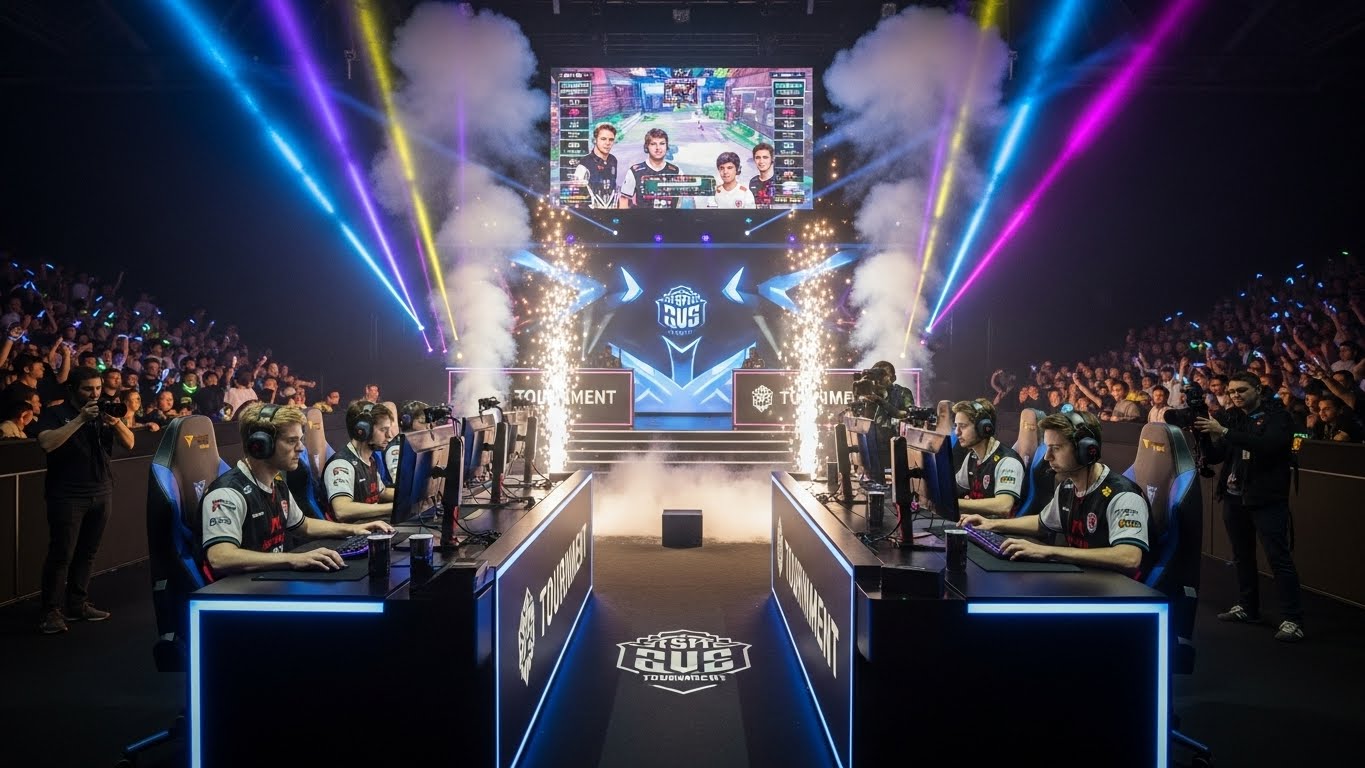
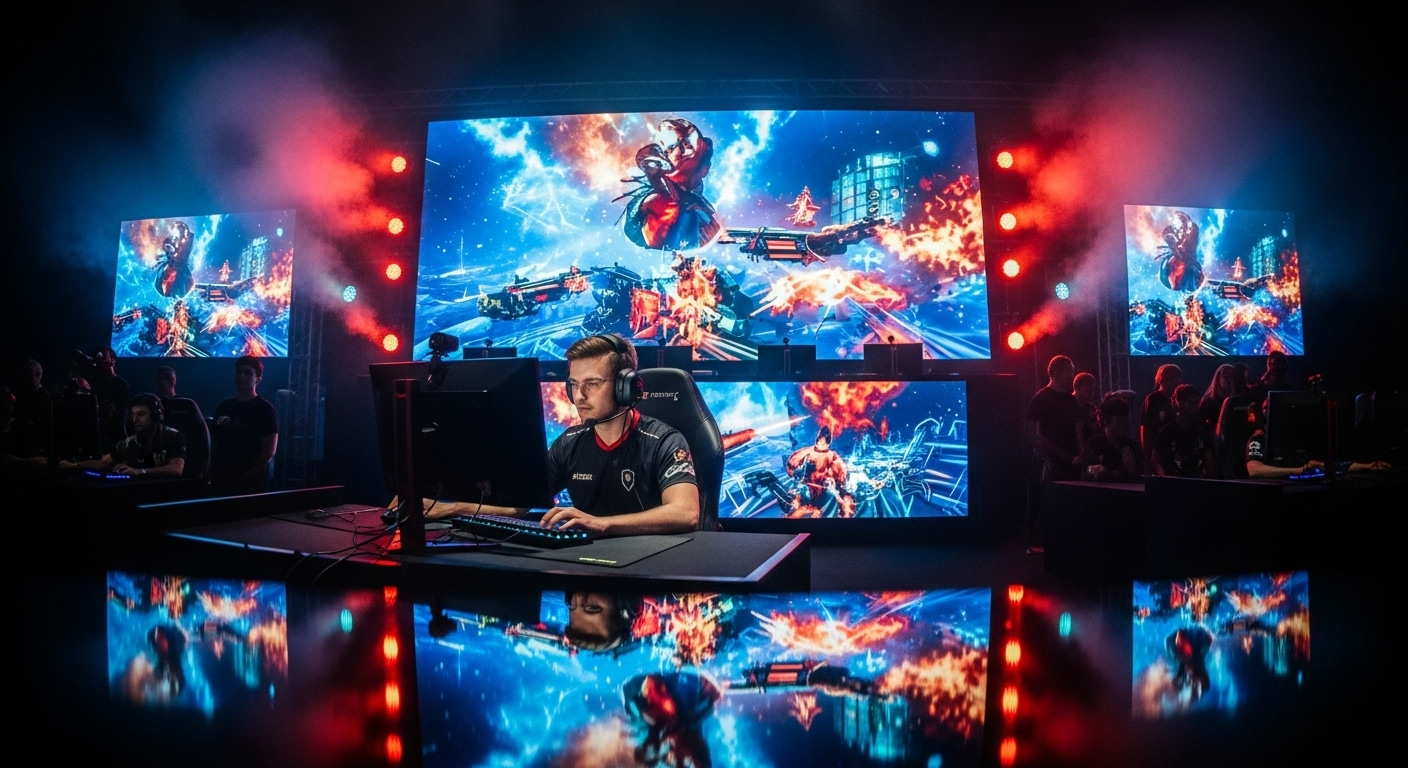
In the 21st century, competition has taken on a new form — one that exists beyond the limitations of physical arenas and stadiums. The competitors are not bound by running tracks or grassy fields; instead, they sit behind glowing screens, headphones on, eyes sharp, and reflexes honed to perfection. This is the world of esports, where digital athletes compete for fame, glory, and millions in prize money. Esports is more than just playing video games; it is a global cultural movement that fuses technology, entertainment, and human skill into one of the most dynamic industries of our time.
The journey of esports is extraordinary. What once began as a subculture hidden in the corners of the internet has evolved into a mainstream entertainment juggernaut. Today, millions of fans tune in to watch live tournaments, sponsors invest millions, and universities offer scholarships to aspiring players. This blog explores how esports rose to dominance, the elements driving its growth, its impact on society, and what the future holds for this ever-expanding digital sport.
The Humble Beginnings of Competitive Gaming
The story of esports starts in the early days of video gaming. In 1972, at Stanford University, a small group of students competed in a game called Spacewar. The prize for the winner was nothing extravagant — just a subscription to a magazine — but that single event marked the beginning of competitive gaming.
As gaming technology evolved through the 1980s, arcades became the battlegrounds for early players. Games like Pac-Man, Donkey Kong, and Space Invaders attracted players who sought to top the high-score boards. These competitions were not organized in the way we know today, but they sparked a growing fascination with the idea of mastering digital challenges.
The 1990s brought the internet, connecting players from all around the world. Games like Quake, StarCraft, and Counter-Strike turned multiplayer gaming into an international experience. LAN parties, where players gathered with their computers to compete locally, became the foundation for modern tournaments. Slowly but steadily, gaming was becoming more than a hobby — it was turning into a professional pursuit.
The Birth of Esports as a Global Phenomenon
The early 2000s saw a technological revolution that would forever change gaming. High-speed internet, advanced graphics, and accessible gaming hardware made online competition possible on a massive scale. South Korea became the first country to truly embrace professional gaming. Dedicated television channels broadcast matches, and players became celebrities. The popularity of StarCraft in Korea showed the world that video games could indeed be a spectator sport.
As the decade progressed, the global audience for esports exploded. Tournaments like the World Cyber Games and Major League Gaming drew thousands of spectators. Games such as Dota, Counter-Strike, and League of Legends began to dominate competitive circuits. What was once a niche activity was now attracting corporate sponsors and mainstream media coverage.
By the 2010s, esports had become a household term. The introduction of live-streaming platforms allowed millions to watch tournaments online. Fans could cheer for their favorite players in real-time, fostering communities and rivalries that rivaled those of traditional sports.
The Esports Ecosystem
Esports is built upon a well-organized ecosystem consisting of professional players, teams, leagues, organizers, sponsors, and fans. Each part plays a vital role in the success of the industry. Professional players train rigorously, often spending up to twelve hours a day perfecting their skills. The mental and physical discipline required to perform at such a high level is immense.
Teams operate much like traditional sports clubs. They have managers, coaches, analysts, and even nutritionists to ensure optimal performance. Prominent organizations such as Fnatic, T1, Cloud9, and Team Liquid have become globally recognized brands. These teams not only compete but also engage with fans through content creation, social media, and community events.
The leagues and tournaments are where all the excitement unfolds. Events like The International for Dota 2, the League of Legends World Championship, and the Counter-Strike Majors attract massive crowds both online and offline. Prize pools reach into the tens of millions, reflecting the incredible growth of esports as an industry.
Technology: The Backbone of Esports
Technology lies at the heart of esports. Without advancements in software, hardware, and connectivity, competitive gaming would not exist. Modern gaming PCs, high-refresh-rate monitors, and lightning-fast internet connections allow for seamless gameplay. The precision and speed required in esports rely heavily on technological consistency.
Streaming platforms have also revolutionized how people consume esports. Viewers can watch tournaments live from any corner of the globe, interact with commentators, and even communicate with other fans. This digital accessibility has made esports more inclusive than almost any other sport in history.
Emerging technologies such as virtual reality and augmented reality are shaping the future of competitive gaming. Imagine stepping into a virtual arena, seeing the game unfold around you as if you were inside it. These innovations will redefine how fans experience esports in the years to come.
The Role of Streaming and Content Creation
Streaming has been one of the most transformative forces in the rise of esports. Before streaming, only those who attended tournaments could experience the thrill of live competition. Now, anyone can watch from home. Platforms dedicated to gaming have allowed players to build personal brands, turning them into influencers and entertainers.
Top streamers have millions of followers, and many have transitioned into professional competition or team ownership. This blend of entertainment and competition has given esports a unique edge over traditional sports. Fans do not just watch games; they engage directly with the players through live chats, social media, and fan communities.
Content creation extends beyond live matches. Highlights, tutorials, and behind-the-scenes footage give fans a deeper connection to their favorite teams. The esports experience is continuous, extending long after the final match ends.
The Economic Power of Esports
The economics of esports are staggering. What started as small community events has turned into a multi-billion-dollar industry. Revenue comes from sponsorships, advertising, merchandise, streaming rights, and ticket sales. Global brands have entered the scene, eager to reach the massive young audience that esports attracts.
Prize money is another reflection of the industry’s success. Some tournaments offer rewards that exceed those of traditional sporting events. The Dota 2 International’s prize pool once surpassed forty million dollars, a record that stunned even the most optimistic industry observers.
Esports has also become a major employment sector. Beyond players and coaches, thousands work in event organization, broadcasting, marketing, and game development. The ecosystem sustains a vast network of professionals, proving that competitive gaming is far more than entertainment — it is a global business.
Esports and Education
An increasingly important development in esports is its inclusion in education. Schools and universities now recognize the value of gaming as both a skill and a career path. Scholarships are offered to talented players, and academic programs focus on esports management, broadcasting, and marketing.
Educational institutions understand that esports fosters teamwork, leadership, and critical thinking — qualities that are essential in modern careers. Students learn to strategize, communicate, and perform under pressure, all while participating in an activity they love.
High schools around the world have also started esports programs, providing young players with structured environments to compete and learn. This integration of gaming and education is shaping the next generation of digital professionals.
Women in Esports
For many years, esports was seen as a male-dominated field, but that perception is changing. Women are breaking barriers as players, commentators, and industry leaders. Female gamers are gaining recognition not just for their skill but also for their contribution to the inclusivity and growth of esports.
Professional players like Sasha Hostyn, known as Scarlett, and Se-yeon Kim, known as Geguri, have proven that gender is no barrier to excellence in competition. More organizations are supporting women’s tournaments and advocating for diversity.
The inclusion of women brings new perspectives and opportunities to esports. It challenges stereotypes and creates a more welcoming environment for everyone. The future of esports will undoubtedly be more diverse, and that diversity will strengthen the entire community.
Mental Health and Player Wellbeing
While esports offers fame and fortune, it also brings intense pressure. Professional players face long hours of practice, high expectations, and public scrutiny. Mental health has become a major topic within the community, with organizations now employing psychologists and wellness coaches to support players.
Burnout is a common issue. The fast-paced nature of esports means that careers can be short-lived if players do not maintain balance. Awareness around this issue is growing, and teams are taking steps to ensure healthier schedules and lifestyles for their athletes.
Esports also has a positive side when it comes to mental health. For many, gaming provides a sense of community, belonging, and purpose. When managed responsibly, it can foster emotional resilience and self-confidence.
The Cultural Impact of Esports
Esports is not just about competition; it is about culture. It has reshaped how people interact with entertainment. Music artists perform at esports finals, fashion brands design clothing inspired by gaming, and celebrities invest in esports teams.
Esports events resemble music festivals, complete with light shows, fan zones, and live performances. They attract massive audiences who share a common passion for gaming. This blending of technology, art, and sport represents the essence of modern entertainment.
Moreover, esports has become a universal language. It transcends geography, language, and background. A fan in Brazil can cheer for a team in Japan, and a player from Sweden can inspire millions in China. It is a truly global phenomenon that connects people through shared excitement and digital competition.
The Challenges Facing Esports
Despite its success, esports faces several challenges. Maintaining integrity and fair play is crucial, as cheating and match-fixing can undermine trust. Developers and tournament organizers continually update security measures to prevent such issues.
Another challenge lies in sustainability. Not every game can maintain a thriving competitive scene, and the constant evolution of technology means that trends can shift rapidly. Teams and organizers must adapt to changing player interests and new gaming genres.
Additionally, the issue of inclusivity remains ongoing. While progress is being made, ensuring equal opportunities for all players regardless of gender, nationality, or background is essential for long-term growth.
Esports and Traditional Sports: A New Rivalry or Partnership
Many have debated whether esports should be considered a sport. Traditionalists argue that it lacks physical exertion, while supporters emphasize the skill, discipline, and teamwork required. In truth, esports and traditional sports share far more similarities than differences.
Both involve competition, strategy, and audience engagement. Both inspire passion and create communities. And both require years of training to achieve mastery. Recognizing this, many sports organizations have embraced esports rather than opposed it. Football clubs, basketball teams, and even racing leagues have established their own esports divisions, creating a bridge between the two worlds.
The synergy is undeniable. Esports brings innovation and youth engagement, while traditional sports contribute structure and credibility. Together, they represent the future of global entertainment.
The Future of Esports
The future of esports is boundless. As technology advances, so too will the experience for both players and fans. Virtual reality competitions, AI-driven analytics, and interactive viewing platforms are only the beginning.
We may soon see fully immersive esports tournaments where fans can participate virtually, walking through digital arenas as avatars. Blockchain technology could revolutionize player contracts and digital collectibles, giving fans ownership of unique gaming moments.
Esports will continue to expand into new territories, reaching audiences who were previously disconnected from gaming. Governments are beginning to recognize its potential, investing in infrastructure and education to support the growing industry.
The line between the digital and physical worlds is fading. Esports represents the merging of human creativity with technology, proving that competition and community can thrive anywhere — even in the pixels of a virtual battlefield.
Conclusion
From small university gatherings to grand global tournaments, the rise of esports is one of the most inspiring stories of modern times. It demonstrates how technology can unite people, create opportunities, and redefine what it means to be an athlete. Esports is not just about games; it is about dreams, innovation, and connection.
The players are the new generation of digital warriors, the fans are their global supporters, and the world is their arena. As we look ahead, one thing is certain: esports will continue to grow, evolve, and inspire. It stands as a symbol of how far human creativity can go when passion meets technology.
In the end, esports is not confined to the screen. It lives in the hearts of millions who play, watch, and believe in its limitless potential. The digital age has found its greatest sport — and it is only just beginning.