Introduction: The Digital Evolution of Competition
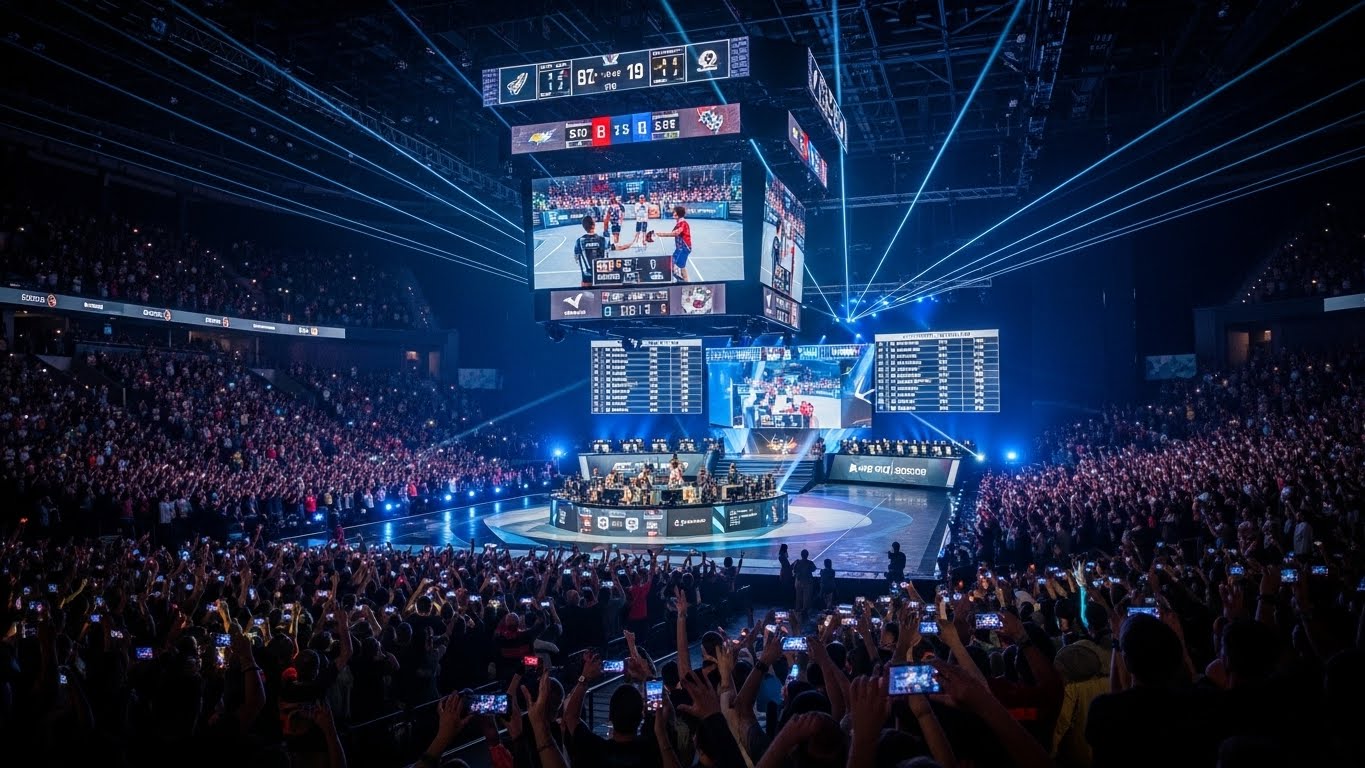
Over the past decade, esports has transformed from small gatherings of gaming enthusiasts into a global entertainment phenomenon. What began as friendly matches in community halls and internet cafés has matured into massive tournaments filling stadiums, attracting millions of online viewers, and generating revenue comparable to traditional sports. This growing industry is no longer a niche hobby but a cultural movement that shapes how people compete, socialize, and even build careers. In this blog post, we will explore the rise of esports, its impact on modern society, the opportunities it creates, and what the future might hold for this exhilarating digital battleground.
The Origin Story: From Arcades to Arenas
Esports did not become an overnight sensation. Its roots trace back to the early days of arcade games when players competed for high scores in classics like Space Invaders and Pac-Man. By the 1990s, the gaming landscape shifted with the arrival of home consoles and personal computers, giving players easier access to competitive titles.
The real turning point arrived with the internet revolution, which enabled global multiplayer gaming. Titles like StarCraft, Counter-Strike, and Warcraft III introduced online competition to millions. These games created the foundation for organized tournaments, professional teams, and gaming leagues. As the internet improved and streaming technology advanced, esports found its perfect breeding ground to flourish.
Beyond Fun: The Rise of Professional Gaming
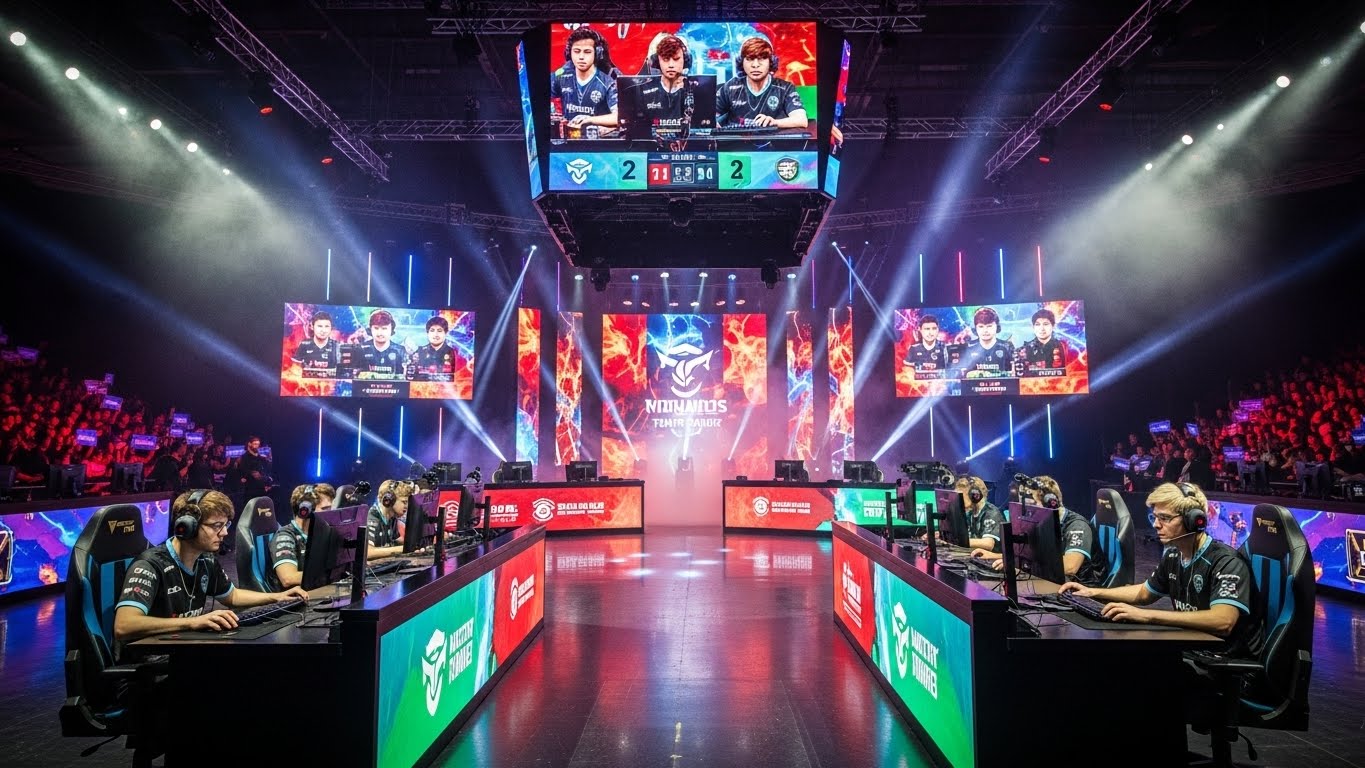
One of the most significant transformations in esports is the emergence of professional players. Today, esports athletes train rigorously, often as intensely as traditional sports competitors. They practice strategies, analyze gameplay, watch replays, and compete under strict schedules. Their dedication is rewarded with salaries, sponsorships, tournament earnings, and global recognition.
Professional esports teams now resemble traditional sports organizations. They employ coaches, analysts, nutritionists, and mental health experts. Some teams base players in training houses where athletes live and practice together, strengthening teamwork and communication. This evolution proves that esports is far more than casual gaming; it is a disciplined, structured, and highly competitive career path.
The Global Spectacle: Why Millions Watch Esports
One of the most impressive elements of esports is its massive audience. Fans watch live tournaments, cheer for their favorite teams, and follow players like celebrities. Several factors contribute to this explosive viewership:
1. Easy Accessibility
Esports events can be streamed online without tickets or travel. Anyone with a smartphone or computer can watch matches live from anywhere in the world.
2. Engaging Storylines
Just like traditional sports, esports has rivalries, underdog stories, dramatic comebacks, and legendary players. These narratives keep fans emotionally invested.
3. Interactive Experience
Viewers can chat, vote, and react live, making esports events feel more engaging than many passive entertainment options.
4. Diverse Game Genres
Whether players enjoy strategy, shooters, racing, or sports simulations, esports offers something for everyone.
This widespread interest has helped esports become one of the largest entertainment sectors globally, often surpassing traditional TV shows and sports broadcasts in viewership.
The Gaming Ecosystem: Tournaments, Teams, and Titles
Esports thrives because it is supported by a robust ecosystem. Each component plays a crucial role:
Tournaments
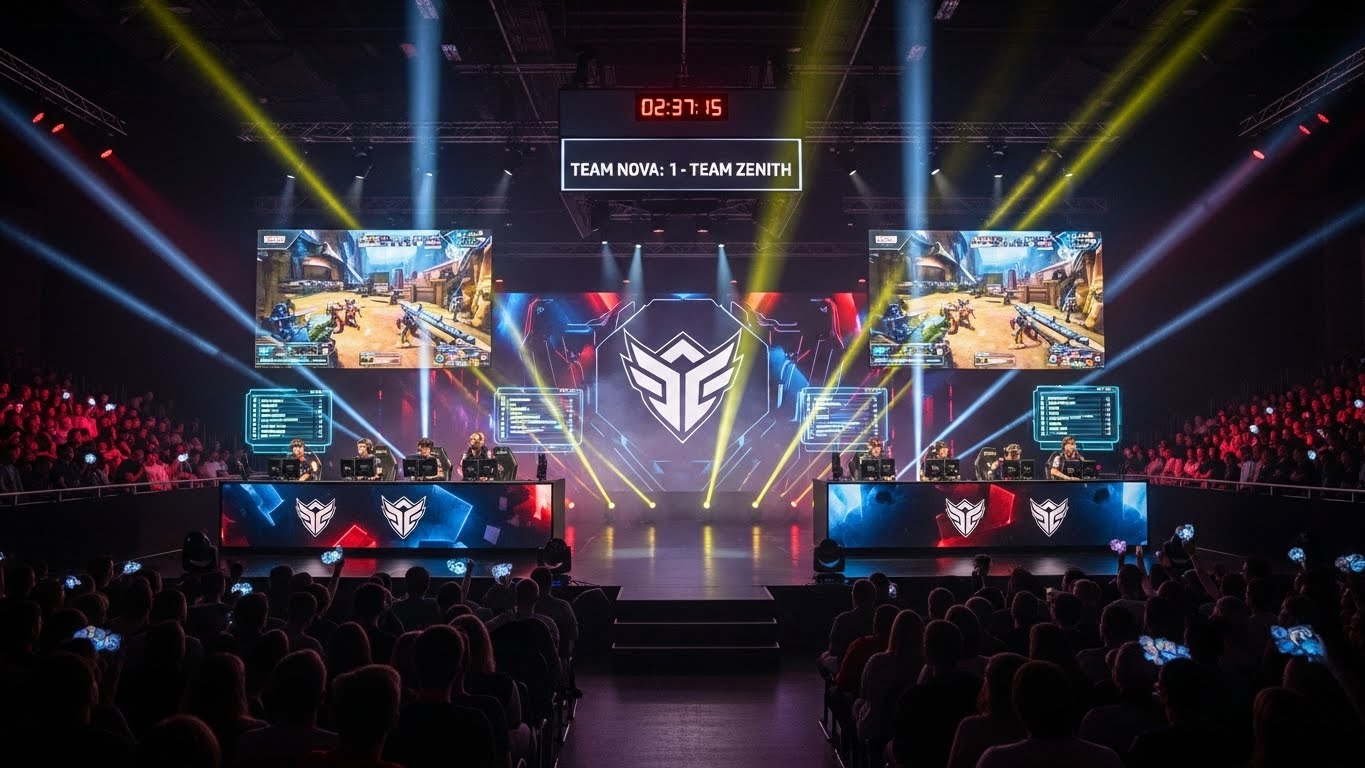
Major events, such as world championships and seasonal leagues, offer huge prize pools and global exposure. These tournaments draw players, fans, sponsors, and media from around the world.
Teams and Organizations
Esports teams operate as structured businesses. They recruit talent, sign contracts, negotiate sponsorships, and invest in training facilities.
Game Developers
Companies behind competitive titles play a significant role by updating games, balancing mechanics, and hosting events. Their involvement ensures fairness, excitement, and longevity in the esports scene.
Fans and Communities
Communities sustain games through discussion forums, fan art, strategy guides, and watch parties. Their passion fuels the industry’s continuous growth.
Youth and Esports: A Growing Career Path
For many young people, esports represents a dream career. While not everyone becomes a professional player, the industry offers countless opportunities:
Game Commentators and Hosts
Also known as casters, these individuals provide live commentary during matches, becoming influential figures in the esports world.
Game Developers and Designers
Esports inspires many to pursue careers in designing competitive games or improving existing ones.
Event Organizers
With so many global tournaments, skilled organizers are essential to manage production, scheduling, and logistics.
Content Creators
Streamers, analysts, and educators build careers by sharing knowledge, gameplay, and entertainment.
Esports encourages creativity, teamwork, strategic thinking, and problem-solving—skills that are valuable both inside and outside the gaming arena.
Challenges That Shape the Future of Esports
Although esports is thriving, it also faces several challenges that must be addressed to ensure long-term success:
1. Player Health
Extended hours of screen time can lead to physical strain and mental stress. Teams now invest in health programs, but improvements are still needed.
2. Game Lifespan
Unlike traditional sports, esports rely heavily on game trends. A decline in a game’s popularity can destabilize entire leagues.
3. Regulation and Governance
Esports lacks a universal governing body. Different games and organizers follow different rules, creating inconsistencies.
4. Economic Stability
While top esports athletes earn impressive incomes, many lower-tier players struggle with financial insecurity.
Addressing these issues will help esports evolve into a more mature and sustainable industry.
Cultural Impact: Changing How We See Sports and Entertainment
Esports has reshaped culture in meaningful ways. It introduced new forms of entertainment, expanded the definition of athleticism, and connected diverse communities across borders.
Breaking Stereotypes
Gaming is no longer seen as an unproductive pastime. Esports proves that gaming can lead to significant careers, competitions, and technological innovations.
Encouraging Diversity
Players from different backgrounds, languages, and countries compete on equal digital ground. This inclusivity is a major strength of esports culture.
Blending Technology and Sport
Esports merges athletic discipline with digital advancement. It showcases what competition looks like in a technologically driven era.
The Future Arena: What Comes Next for Esports
The future of esports is incredibly promising. With advancements in virtual reality, artificial intelligence, and cloud gaming, competitive gaming will evolve into even more immersive experiences. Universities are offering scholarships for esports athletes, governments are recognizing esports as official sports, and mainstream broadcasters are airing tournaments as prime-time entertainment.
We can expect:
- Larger prize pools
- More global leagues
- Enhanced broadcasting technologies
- Increased educational programs
- Wider acceptance of esports as a legitimate sporting career
As long as technology continues to advance, esports will grow alongside it, pushing boundaries and redefining competition.
Conclusion: The Dawn of a New Competitive Era
Esports has entered an era where digital arenas are as esteemed as physical stadiums. What was once a hobby has become a global industry filled with passion, opportunity, and innovation. It unites people across continents, inspires younger generations, and challenges old ideas about what sports and competition can be.
The rise of esports symbolizes more than gaming—it represents a cultural shift toward modern, inclusive, and technologically empowered entertainment. As we move further into the digital age, esports will continue to expand, captivate, and shape the future of global competition.