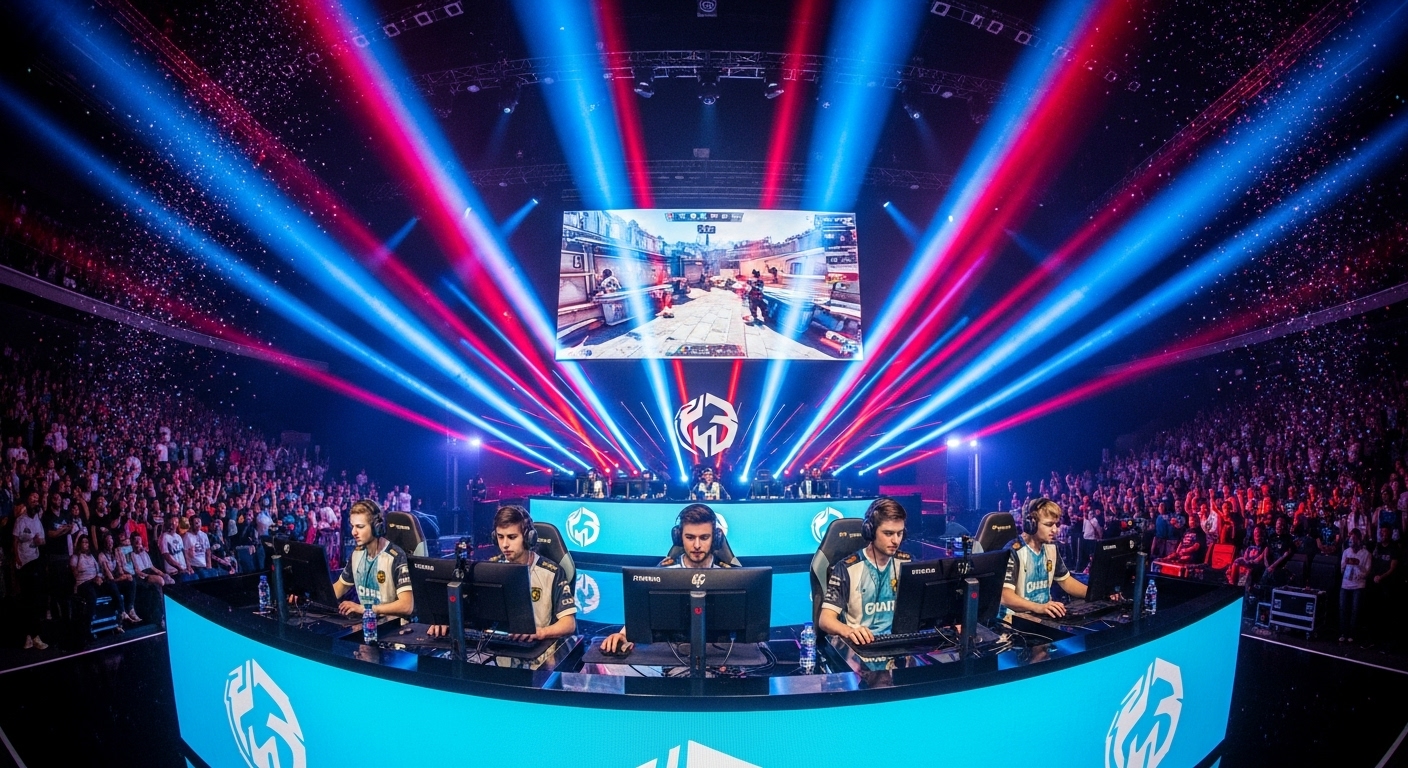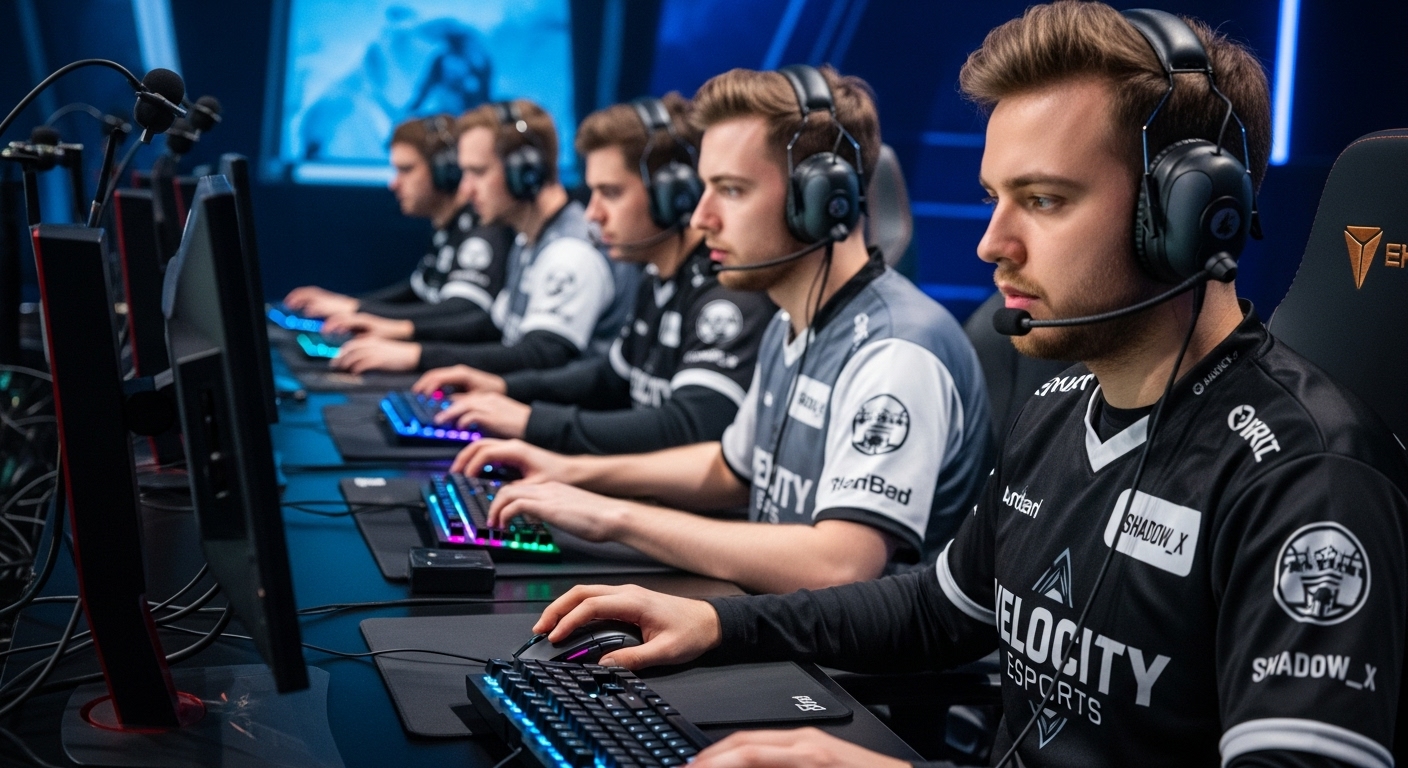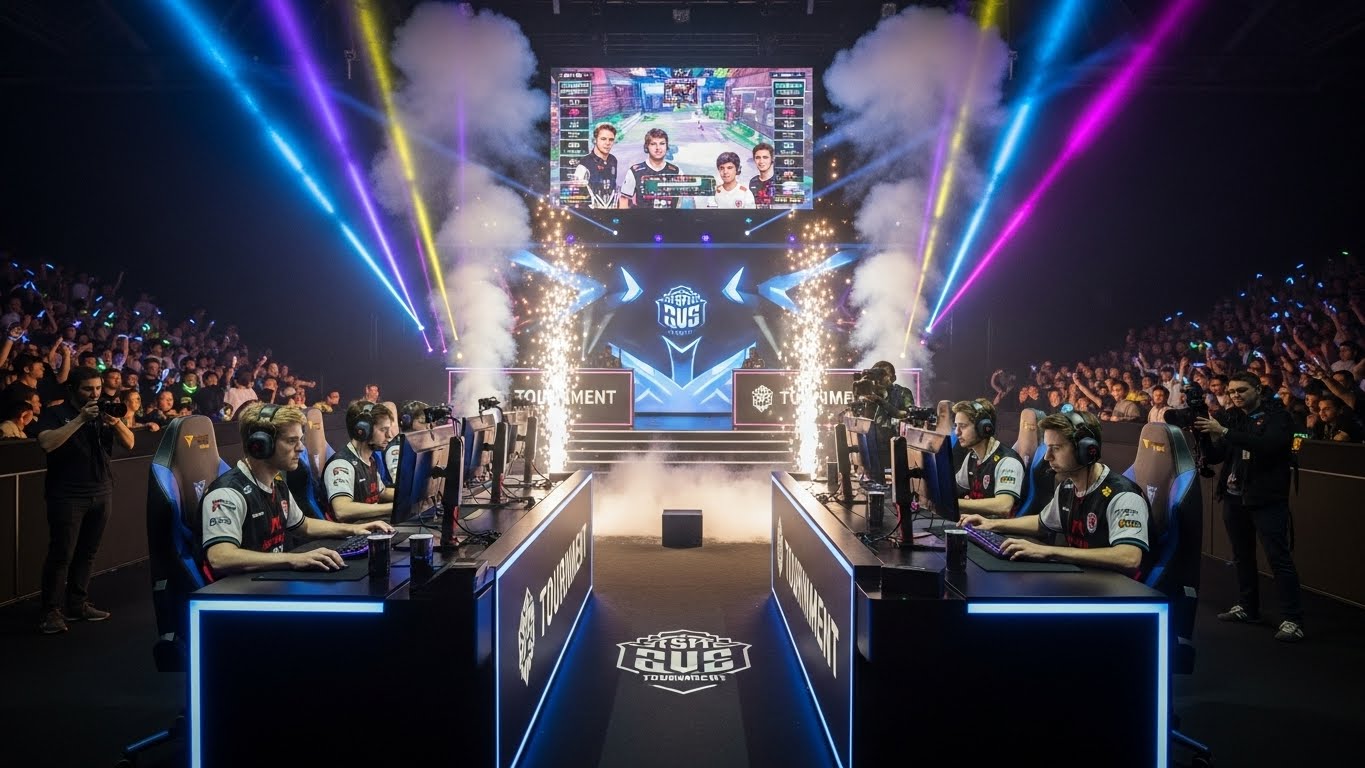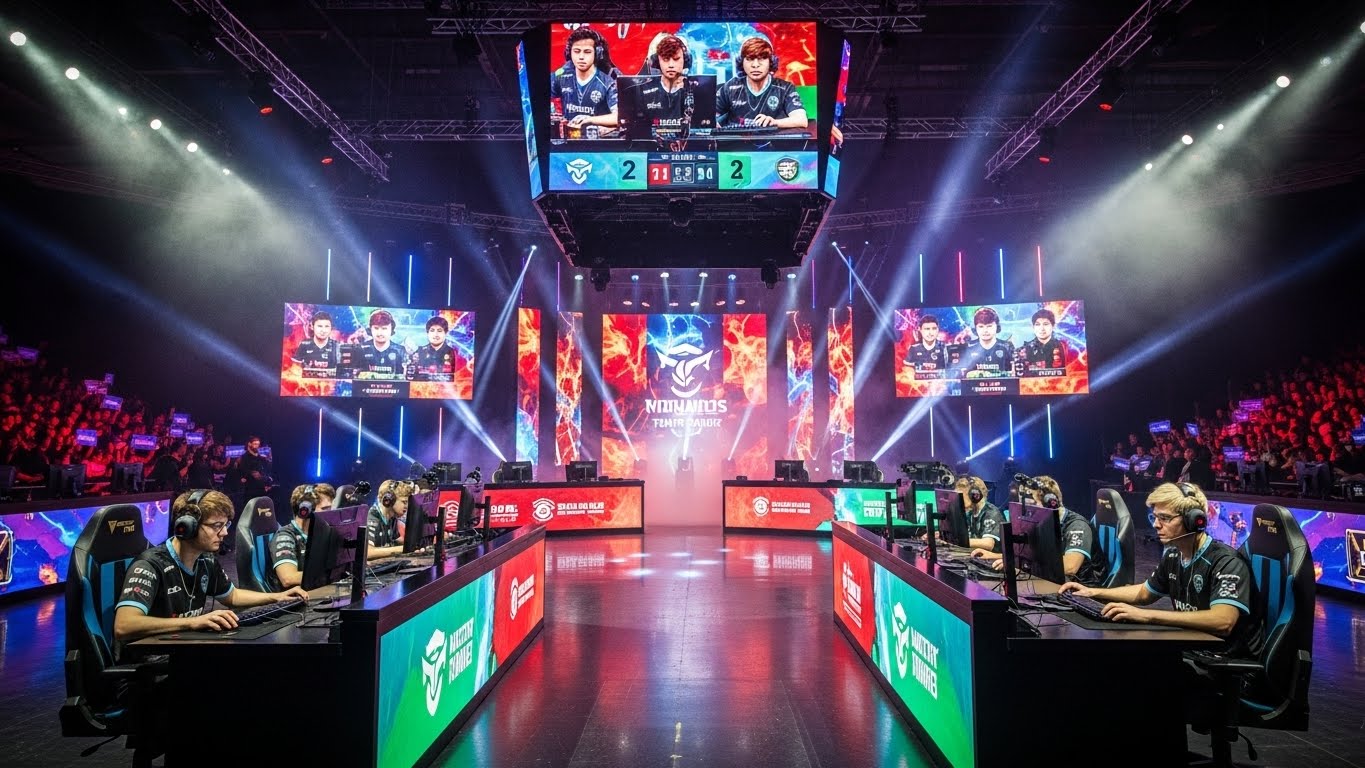
Esports, or competitive video gaming, has undergone a massive transformation in recent years. What began as a niche hobby for a dedicated group of gamers has blossomed into a global phenomenon with millions of fans, professional players, and major sponsorships. Today, esports is a thriving industry worth billions of dollars, drawing attention from major media outlets, large corporations, and even traditional sports franchises. In this blog post, we will explore the journey of esports, from its humble beginnings to its current status as one of the fastest-growing sectors in entertainment.
The Early Days: From Arcade Games to Online Tournaments
The roots of esports can be traced back to the 1970s and 1980s, when the first competitive video game tournaments began to emerge. One of the earliest known events was the Space Invaders Championship in 1980, organized by Atari. This marked the beginning of competitive gaming as a form of entertainment. However, these early competitions were small, local affairs and did not gain widespread attention.
The true birth of esports came in the 1990s with the rise of PC gaming and online multiplayer games. Titles like Quake, StarCraft, and Warcraft allowed players to compete against one another from their own homes via local area networks (LAN) or the early days of the internet. These games provided a platform for players to test their skills and engage in competition with others from around the world.
In the late 1990s, organizations like the World Cyber Games (WCG) and the Electronic Sports World Cup (ESWC) started holding larger, more formalized tournaments. These events began to attract a wider audience, laying the groundwork for the esports industry as we know it today.
The Growth of Online Platforms and Streaming Services
As internet infrastructure improved in the 2000s, online gaming became more accessible to a broader audience. Popular multiplayer games such as Counter-Strike, Warcraft III, and Dota helped fuel the growth of esports communities. As more players joined the competitive scene, the demand for larger-scale tournaments increased.
The launch of Twitch in 2011 marked a significant turning point in the growth of esports. Twitch provided a platform for gamers to stream their gameplay, interact with fans in real-time, and showcase their talents to a global audience. The rise of streaming helped transform competitive gaming from a niche hobby into a mainstream entertainment form. In just a few years, Twitch became the go-to platform for esports broadcasts, with major tournaments and competitions being streamed to millions of viewers worldwide.
As streaming grew in popularity, so did the ability for esports players to build fanbases, gain sponsorships, and turn their passion for gaming into a full-time career. Top-tier streamers, such as Ninja, Shroud, and PewDiePie, became household names, helping to elevate esports to new heights.
The Business of Esports: Sponsorships, Advertising, and Media Rights
With the increasing popularity of esports, it was only a matter of time before major companies and investors took notice. Esports quickly became a lucrative business, attracting sponsorships from some of the world’s biggest brands, including Coca-Cola, Intel, and Nike. These companies saw the opportunity to target a highly engaged, tech-savvy audience that was difficult to reach through traditional advertising channels.
Sponsorship deals are a significant source of revenue for esports organizations, teams, and players. Major tournaments like The International (Dota 2) and League of Legends World Championship feature multi-million dollar prize pools, funded by sponsorships from companies looking to promote their brands to the esports audience.
Another important revenue stream for the industry is media rights. As esports has become more mainstream, media companies and streaming platforms have sought to acquire broadcasting rights to major events. For example, platforms like ESPN, YouTube, and Twitch often secure exclusive rights to stream popular tournaments, which has allowed the industry to generate significant revenue.
In addition to media rights and sponsorships, ticket sales and merchandise also contribute to the growing financial ecosystem of esports. Major tournaments and league events often sell out stadiums and arenas, with fans eager to watch their favorite teams and players in person. Meanwhile, esports teams and organizations sell branded merchandise, from jerseys to gaming accessories, further contributing to the financial growth of the industry.
The Rise of Professional Esports Leagues
One of the most significant developments in esports has been the establishment of professional leagues. These leagues, which are modeled after traditional sports leagues, have provided structure and legitimacy to the competitive gaming scene. The Overwatch League (OWL) and League of Legends Championship Series (LCS) are among the most prominent examples of this shift toward professionalization.
The OWL, launched in 2018, is particularly noteworthy for its city-based franchise model. Similar to traditional sports leagues like the NBA or NFL, the OWL has teams based in cities around the world, and the players compete in a regular season and playoffs. This model has brought in investors from traditional sports franchises, including owners of the New England Patriots and the Dallas Cowboys, further legitimizing esports as a major industry.
The LCS, meanwhile, has been a cornerstone of the League of Legends competitive scene for years. The league has evolved into a highly structured, professional environment with teams representing major organizations and substantial financial backing. The success of these leagues has inspired other game publishers to adopt similar formats for their esports titles, including Call of Duty, Valorant, and Rocket League.
The Global Reach of Esports: A Worldwide Community
One of the most unique aspects of esports is its global reach. Unlike traditional sports, which are often confined to specific regions or countries, esports transcends national borders. Players and fans from all over the world can compete and interact, creating a truly international community.
Esports has been particularly popular in countries like South Korea, China, the United States, and Europe. South Korea, in particular, is often cited as the birthplace of modern esports. The country’s government began to recognize competitive gaming as a legitimate career path in the early 2000s, and the Korean esports scene has since flourished. Games like StarCraft and League of Legends have become national pastimes, with professional players achieving celebrity status.
China and the United States have also become major hubs for esports. In China, Dota 2 and League of Legends tournaments draw millions of viewers, and the country has become a hotbed for esports organizations and sponsors. In the United States, the rise of major tournaments like E3 and PAX has helped further cement the country’s place as an esports powerhouse.
The global appeal of esports is further evidenced by the growing number of international tournaments. Events like The International (Dota 2), Worlds (League of Legends), and IEM Katowice (CS:GO) attract players and fans from all corners of the globe. These tournaments have become cultural phenomena, with millions of viewers tuning in to watch the best players compete for glory and large prize pools.
The Future of Esports: Where Is the Industry Headed?
As esports continues to evolve, the future looks bright. The industry is still in its infancy, and there is a tremendous amount of room for growth and innovation. One area that is expected to see significant expansion is the mobile esports sector. In regions like Southeast Asia and India, mobile gaming is incredibly popular, and mobile esports tournaments are gaining traction. Titles like PUBG Mobile and Free Fire have already developed large competitive communities, and this trend is expected to continue as mobile technology improves.
Another area of interest is the potential for virtual reality (VR) and augmented reality (AR) to reshape esports. While VR gaming has yet to reach mainstream adoption, it offers the possibility of creating more immersive and interactive experiences for both players and fans. AR, on the other hand, could enhance live broadcasts and create new ways for viewers to engage with tournaments in real-time.
Esports’ increasing acceptance by traditional sports organizations is another sign of its bright future. The potential for esports to be included in global events like the Olympics has been a topic of discussion for years. With more and more people viewing esports as a legitimate sport, it may only be a matter of time before it is officially recognized on the world’s biggest stage.
Conclusion: Esports Is Here to Stay
Esports has come a long way since its early days of local LAN parties and small-scale tournaments. Today, it is a global industry with millions of fans, professional players, and multi-billion-dollar revenue streams. The rise of streaming platforms, sponsorships, and professional leagues has helped elevate esports to new heights, making it one of the fastest-growing sectors in entertainment.
As the industry continues to mature, the future of esports is incredibly exciting. From mobile gaming to virtual reality, the possibilities for innovation are endless. With its growing global audience and increasing legitimacy, esports is not just a passing trend—it’s a cultural movement that is here to stay.
For those who haven’t yet embraced the world of esports, now is the time to get involved. Whether as a spectator, a player, or a content creator, there has never been a better time to be a part of the esports revolution.