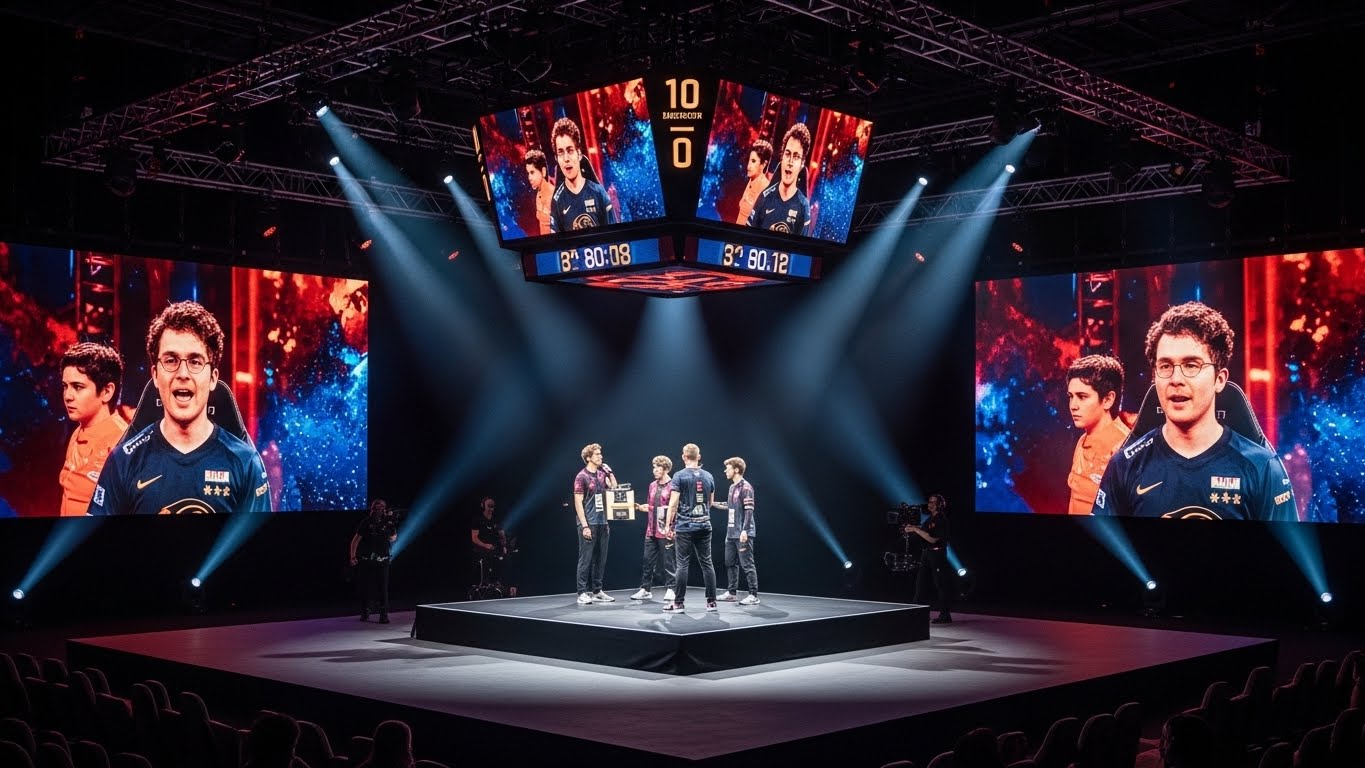
Esports, short for electronic sports, has become one of the most significant cultural phenomena of the 21st century. From its humble beginnings in small arcades and early computer networks, esports has grown into a global industry with professional leagues, international tournaments, and millions of dedicated fans. It combines skill, strategy, teamwork, entertainment, and community engagement, creating a multifaceted ecosystem that rivals traditional sports in both scope and influence.
Esports is no longer just a pastime. It is a career path, a spectator sport, a source of social interaction, and a platform for innovation. Its growth reflects broader technological, social, and economic trends that have transformed the way people play, watch, and engage with games worldwide.
The Early Origins of Competitive Gaming
The roots of esports can be traced back to the late 1970s and early 1980s. Arcade games such as Space Invaders, Pac-Man, and Donkey Kong offered players the chance to compete for high scores, often displayed on public leaderboards. These early competitions encouraged skill, practice, and strategy, setting the stage for organized gaming events.
With the rise of personal computers in the 1980s and 1990s, multiplayer gaming evolved beyond local arcades. Titles like Doom, Quake, and Warcraft allowed players to compete via local networks, introducing the concept of competitive online play. LAN parties became social events where players shared strategies, honed skills, and cultivated communities that would later support professional esports.
Professionalization and the Birth of Modern Esports
The professionalization of esports began in the early 2000s, with South Korea leading the way. StarCraft: Brood War became a national phenomenon, with televised matches, sponsorships, and professional teams. Players became celebrities, and esports emerged as a legitimate career option.
International tournaments followed, bringing players from different countries together to compete for recognition and prize money. Professional esports organizations began forming, employing coaches, analysts, and managers to optimize performance. This period established the infrastructure and standards that allowed competitive gaming to flourish on a global scale.
Popular Esports Titles
Modern esports encompasses a variety of game genres, each emphasizing different skills and strategies. Multiplayer online battle arena games like League of Legends and Dota 2 require teamwork, strategy, and communication. First-person shooters such as Counter-Strike: Global Offensive and Valorant demand precision, reflexes, and tactical execution. Battle royale games like Fortnite and PUBG blend survival skills, resource management, and competitive play, attracting large, diverse audiences.
Other genres, including sports simulations like FIFA and card games like Hearthstone, also contribute to the esports ecosystem. Each title fosters its own community, competitive structure, and fan engagement, creating a rich and diverse industry that appeals to a wide range of players and viewers.
Esports Tournaments and Leagues
Professional tournaments are the lifeblood of esports. Events like The International, League of Legends World Championship, and Overwatch League Finals attract millions of viewers and offer multimillion-dollar prize pools. These competitions are produced with the same care as traditional sports events, featuring live commentary, elaborate stage designs, and audience engagement initiatives.
Fans attend live events to experience the excitement in person, while online viewers participate through streaming platforms and interactive media. Esports tournaments are not only about gameplay but also about storytelling, rivalries, and spectacle, making them highly engaging for both casual and dedicated audiences.
Streaming and the Growth of Audience Engagement
Streaming platforms such as Twitch, YouTube Gaming, and Facebook Gaming have transformed esports. Fans can watch live matches, interact with players, and participate in global communities. This accessibility has expanded esports’ reach, allowing millions to engage regardless of location.
Streaming has also created a new form of celebrity. Professional players and content creators can build personal brands, connect directly with fans, and generate income through sponsorships and donations. Interactive streaming enhances engagement, making esports an immersive and participatory form of entertainment.
The Cultural Impact of Esports
Esports challenges traditional notions of sport and athleticism. Professional players train rigorously, often dedicating hours daily to practice, strategy, and teamwork. Mental acuity, reflexes, communication, and adaptability are as critical as physical endurance in traditional sports.
Esports also fosters inclusive communities. Unlike many physical sports, competitive gaming is accessible to people of all ages, genders, and abilities. Online platforms facilitate social interaction, knowledge sharing, and community building, making esports a cultural phenomenon that transcends geography.
Gender and Diversity in Esports
While esports has historically been male-dominated, diversity is gradually increasing. Female players, LGBTQ+ participants, and individuals from various backgrounds are gaining visibility. Organizations and communities are promoting inclusivity through dedicated tournaments, mentorship programs, and awareness initiatives.
Representation matters. Diverse participation enhances gameplay, enriches community culture, and inspires new generations of players. By fostering inclusivity, esports ensures its growth and relevance in an increasingly global and interconnected world.
Economic Significance of Esports
The esports industry is a multibillion-dollar market, generating revenue through sponsorships, advertising, media rights, merchandise, and ticket sales. Professional teams operate like traditional sports franchises, employing coaches, analysts, marketing teams, and managers. Players earn salaries, prize money, and streaming revenue, often supplemented by brand endorsements.
Major corporations recognize esports as a strategic marketing platform. Investments fund tournaments, support teams, and promote brand visibility, fueling industry expansion. The economic model of esports demonstrates its viability as a commercial enterprise with global appeal.
Educational and Career Opportunities
Esports has created a range of educational and professional pathways. Universities offer scholarships for esports athletes, while programs in game design, broadcasting, analytics, and management prepare students for careers within the industry. Retired players can transition into coaching, commentary, content creation, and organizational management.
Esports underscores the transferability of gaming skills. Strategic thinking, teamwork, communication, and digital literacy gained through competitive play can be applied in business, technology, and creative industries, highlighting the medium’s broader relevance.
Technology as a Driving Force
Technological advancements underpin the growth of esports. High-speed internet, advanced gaming hardware, and powerful software enable real-time competitive play. Analytics tools provide insight into performance, strategy, and trends, helping teams optimize results.
Emerging technologies such as virtual reality, augmented reality, artificial intelligence, and cloud gaming are poised to reshape esports further. VR and AR offer immersive experiences, while AI supports training, gameplay analysis, and content creation. Technology ensures esports remains at the forefront of innovation.
Challenges Facing Esports
Despite its rapid growth, esports faces significant challenges. Player burnout, mental health concerns, and online harassment are pressing issues. Maintaining competitive integrity, regulating tournaments, and ensuring fair contracts are ongoing concerns. The industry must balance monetization with accessibility and community trust to sustain long-term growth.
Diversity and representation continue to be areas of focus. Creating inclusive spaces and combating toxic behavior are essential for maintaining a healthy competitive ecosystem. Addressing these challenges is critical for the credibility and sustainability of esports.
Globalization of Esports
Esports has become a global phenomenon. Countries like South Korea, China, North America, and Europe host major leagues and tournaments. International competitions foster cross-cultural exchange, global rivalries, and shared experiences.
Globalization strengthens communities by connecting players and fans across borders. Esports promotes inclusivity, cultural understanding, and shared digital experiences, making it a truly worldwide entertainment and competitive platform.
The Future of Esports
The future of esports promises continued growth, innovation, and mainstream integration. Advances in VR, AR, cloud gaming, and AI will enhance gameplay, spectator experiences, and interactivity. Cross-industry partnerships with traditional sports, media, and entertainment will further expand esports’ reach.
Professionalization, inclusivity, and sustainability will define the next stage of development. As the industry evolves, esports will offer career opportunities, cultural relevance, and global engagement, cementing its status as a permanent fixture in modern entertainment.
Conclusion
Esports has transformed from a niche hobby into a global industry that blends competition, entertainment, technology, and community. It has redefined athleticism, challenged traditional sports paradigms, and created cultural and economic opportunities worldwide. Professional players, international tournaments, and millions of fans validate esports as a legitimate and influential phenomenon.
At its core, esports celebrates human skill, creativity, strategy, and connection. It demonstrates the power of technology and digital culture to unite, inspire, and entertain on a global scale. As esports continues to grow, it will shape the future of competitive entertainment, leaving an enduring legacy in gaming and beyond.
Esports is no longer the future of competition—it is the present, a dynamic and evolving industry that continues to inspire millions around the world.