Introduction: A New Era of Competitive Play
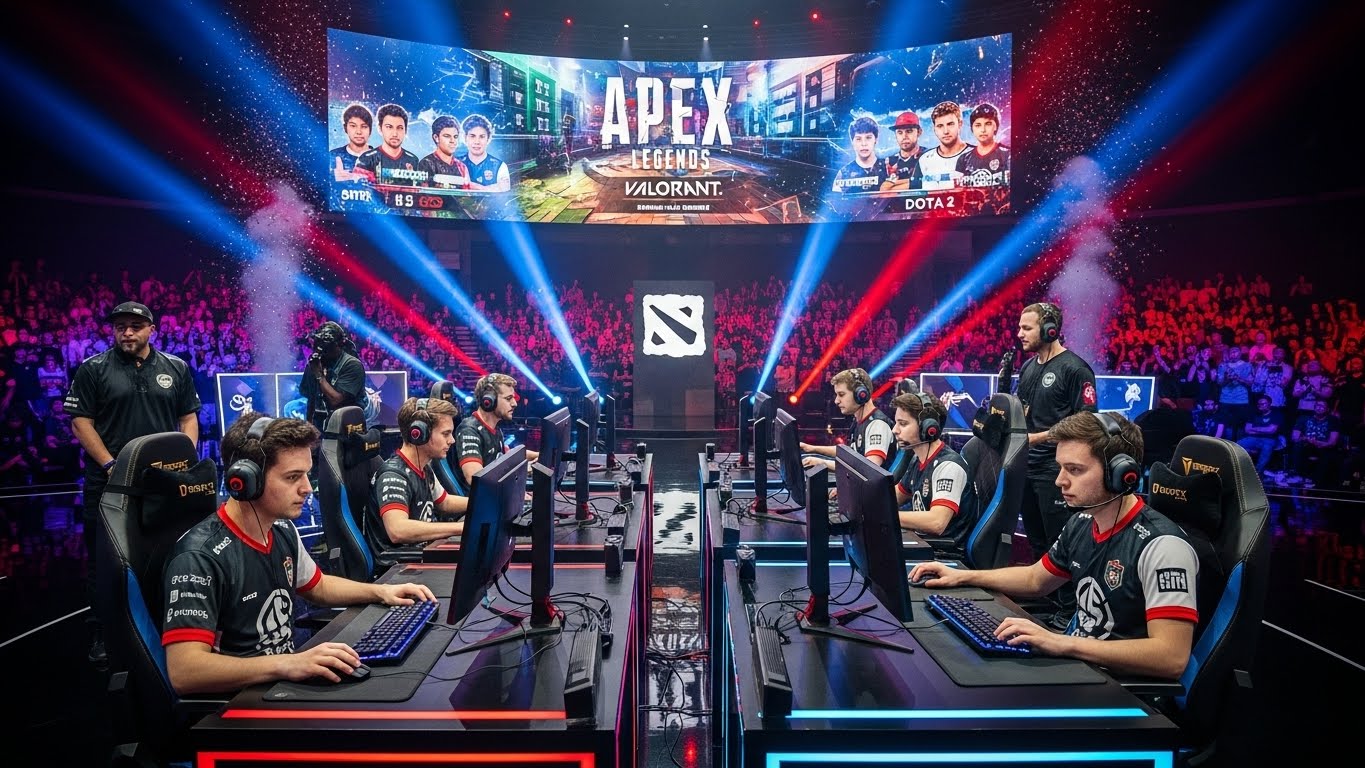
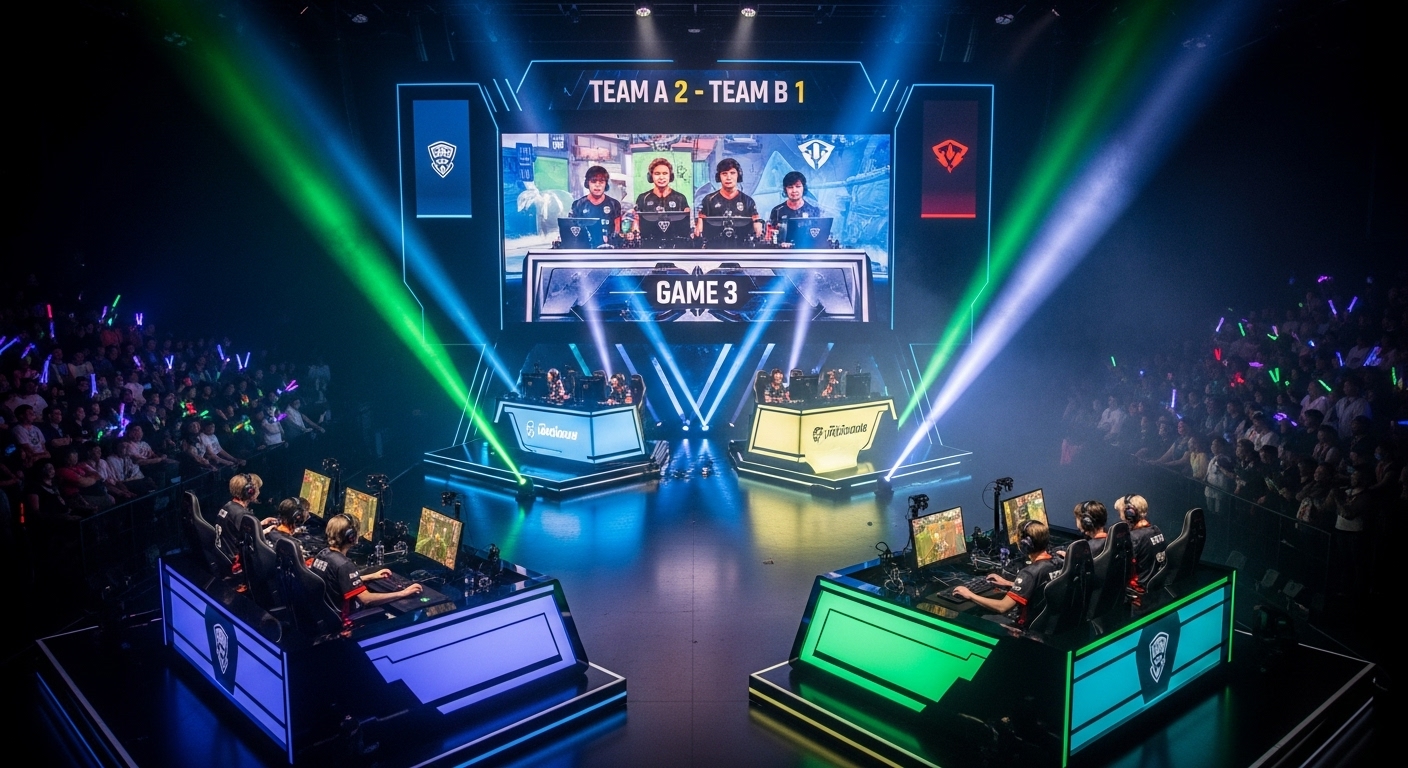
Over the last two decades, esports has evolved from a small niche hobby into a global phenomenon that draws millions of viewers, attracts major sponsors, and fills stadiums with roaring fans. What was once considered casual entertainment for gamers has grown into a structured, competitive industry with professional teams, coaches, analysts, and prize pools that rival traditional sports. This shift represents more than just technological advancement—it reflects a cultural transformation in how the world views games and competition.
This blog explores the world of esports—its rapid rise, cultural impact, the ecosystem behind the scenes, future potential, and why it continues to capture the imagination of so many.
The Origins of Esports: From Arcades to Arenas
Esports did not start with massive tournaments or multimillion-dollar sponsorships. Instead, it began quietly in local arcades and computer clubs, where players challenged each other for bragging rights. Early competitions, like arcade high-score battles or local LAN parties, paved the way for organized tournaments.
The concept of competitive gaming truly expanded with the rise of internet connectivity. Multiplayer games such as real-time strategy titles and first-person shooters allowed players from around the world to compete without being in the same room. This was the turning point—the moment gaming transformed from a pastime to a potential career.
As online communities grew, so did the desire for structured competitions. Developers and passionate fans began organizing tournaments, establishing the foundation of modern esports.
The Growth of Competitive Gaming into a Global Industry
Today, esports is a multibillion-dollar industry, and its growth continues to accelerate. Major tournaments attract viewership numbers comparable to global sporting events. Games like League of Legends, Dota 2, Counter-Strike, Valorant, and Fortnite have become staples of competitive play.
This growth is driven by several key factors:
- Accessibility of Games
Many popular esports titles are free-to-play, reducing the entry barriers for new players. - Streaming Platforms
The rise of live-streaming websites transformed competitive gaming. Instead of waiting for televised segments, fans can watch tournaments live, follow their favorite players, and stay connected to the community at any time. - Professional Support Systems
Established esports organizations now manage teams like traditional athletic programs. They provide coaching, training facilities, mental health support, and strict schedules to maximize player performance. - Corporate Investment
Brands view esports as an opportunity to reach a massive, digitally savvy audience. Their involvement fuels the ecosystem with sponsorships, events, and advertising, creating enormous economic momentum.
Inside the Esports Ecosystem: More Than Just Players
Esports is not just about the competitors on stage. It’s a diverse ecosystem that includes a wide range of professionals who contribute to the industry’s success.
Coaches and Analysts
Just like traditional sports, teams rely on coaches to develop strategies and guide players. Analysts study opponents, evaluate performance metrics, and design tactics to gain advantages in tournaments.
Event Organizers
Behind every major tournament are hundreds of coordinators who manage scheduling, rules, production, and logistics to ensure a smooth experience for both players and audiences.
Casters and Commentators
These personalities bring energy, excitement, and clarity to matches. Their ability to narrate intense moments helps grow the audience and enhances the viewing experience.
Content Creators
Esports thrives on digital content. Streamers, vloggers, and social influencers keep fans engaged by sharing behind-the-scenes stories, hosting discussions, and showcasing gameplay.
Game Developers
Developers maintain the games, introduce balance updates, and support competitive events. Their decisions shape the direction of esports communities.
This ecosystem shows that esports is more than competition—it’s a large, collaborative industry with roles that go far beyond gameplay.
The Player’s Journey: Training, Discipline, and Sacrifice
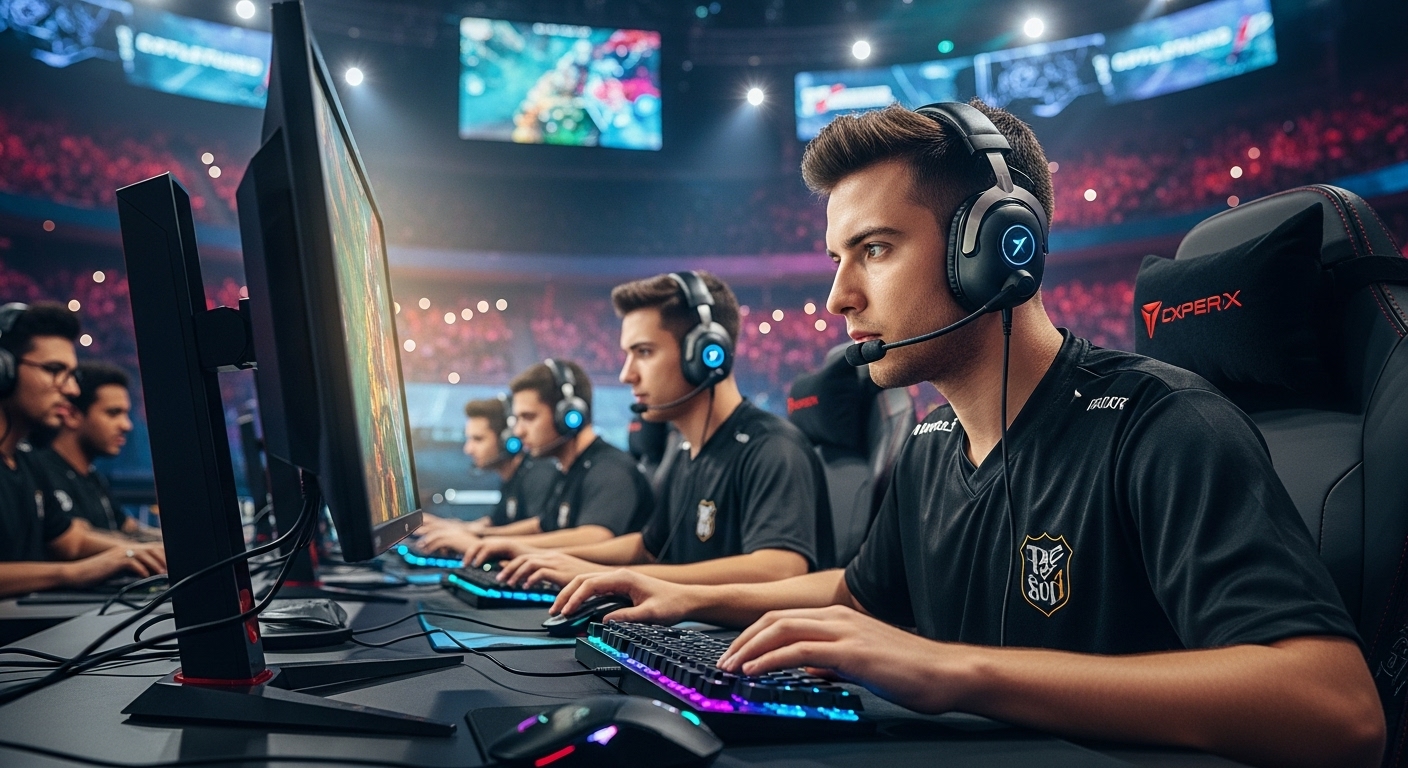
The life of an esports athlete is far more demanding than many realize. Professional players undergo intense training schedules, often practicing for eight to twelve hours per day. This includes scrims, studying game footage, learning new strategies, and practicing individual mechanics.
Key aspects of a pro player’s routine include:
- Mechanical Skill Training: Perfecting reactions, accuracy, and movement.
- Strategic Review: Analyzing opponents and refining team-based tactics.
- Physical Conditioning: Many organizations now integrate fitness routines to improve focus and reduce injury risks.
- Mental Health Support: High-pressure environments can be stressful, making psychological support essential.
Esports players dedicate years to their craft and must consistently perform at peak levels. Like traditional athletes, their careers require discipline, resilience, and continuous growth.
The Spectator Experience: Why Fans Love Esports
Esports fandom has exploded over the years, and its appeal is surprisingly universal.
Dynamic Entertainment
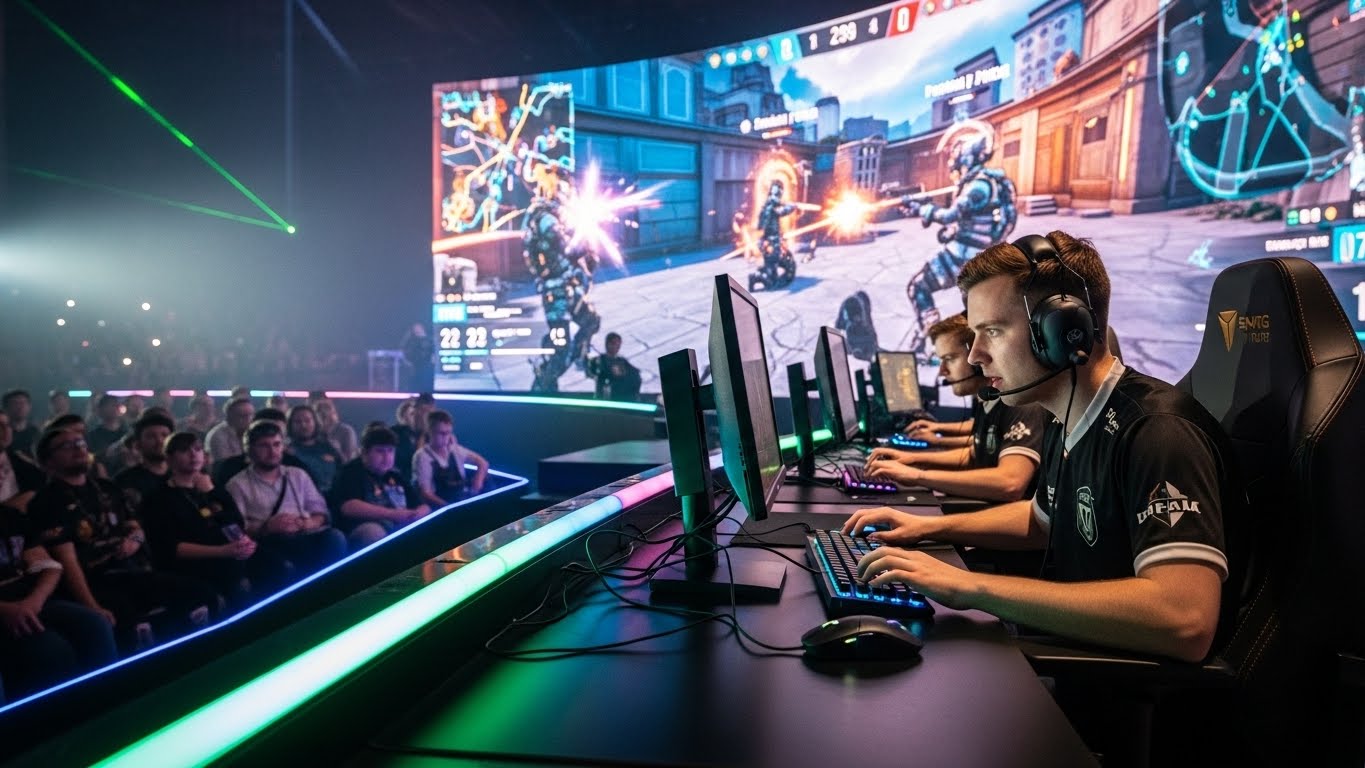
Matches are fast-paced, unpredictable, and visually impressive. Even newcomers can appreciate the high-energy action and dramatic moments.
Community Engagement
Fans feel close to players because of livestreams, social media interactions, and gaming communities. This connection builds loyalty and passion.
Storytelling
Competitive seasons create narratives—underdog victories, legendary rivalries, rising stars, and emotional championship runs.
Global Accessibility
Anyone can watch esports events online, regardless of location. This worldwide participation contributes to its rapid cultural spread.
The sense of belonging and shared excitement makes esports more than entertainment—it becomes a cultural experience.
Esports and Education: A New Path for Students
Schools and universities across the world are embracing esports. Many offer scholarships, clubs, and competitive teams. This development highlights the growing recognition of gaming as a legitimate pursuit with real academic and career opportunities.
Students involved in esports learn valuable skills:
- Communication
- Teamwork
- Leadership
- Strategic thinking
- Time management
- Technological literacy
These qualities are not only useful in competitions but also in modern careers where digital familiarity is essential.
Economic Impact: Jobs, Sponsorships, and Local Growth
Esports has become a significant contributor to local and global economies. Cities that host tournaments generate revenue through tourism, hospitality, and venue rentals. At the same time, organizations hire thousands of professionals—from editors and marketers to production crews and event staff.
Sponsorship deals from major companies help fuel team operations and tournament funding. The industry’s economic reach extends far beyond gaming desks—it affects technology development, media production, and global branding efforts.
The Future of Esports: What Comes Next?
Esports continues to expand, and several trends indicate even greater potential ahead.
Mainstream Broadcasting
More traditional networks are airing esports competitions, bridging the gap between digital and mainstream entertainment.
Virtual Reality Integration
VR and AR technologies may create new genres of esports that combine physical movement with digital strategy.
Greater Global Participation
While esports already has worldwide popularity, emerging markets in Africa, South America, and Southeast Asia are rapidly joining the scene.
Professional Standards
As the industry matures, we’ll see more regulations, standardized contracts, and improved support systems for players.
Cross-Industry Collaborations
Esports may blend with music, film, fashion, and traditional sports, creating larger cultural events and experiences.
The future promises innovation, inclusivity, and new forms of competitive entertainment.
Conclusion: The Rise of a Digital Sporting Empire
Esports is no longer just a subculture—it is a powerful global movement. Its growth has reshaped entertainment, created new career paths, and built communities that transcend borders. The digital arena is now as respected and celebrated as traditional sports fields, drawing millions of passionate fans and skilled competitors.
As technology advances and cultural acceptance grows, esports will continue to redefine what it means to compete, connect, and celebrate human skill. Whether you’re a dedicated fan, an aspiring player, or a curious observer, the world of esports offers excitement, innovation, and community like no other.
Esports is here to stay—and its journey has only just begun.