Introduction: The Rise of a New Sporting Era
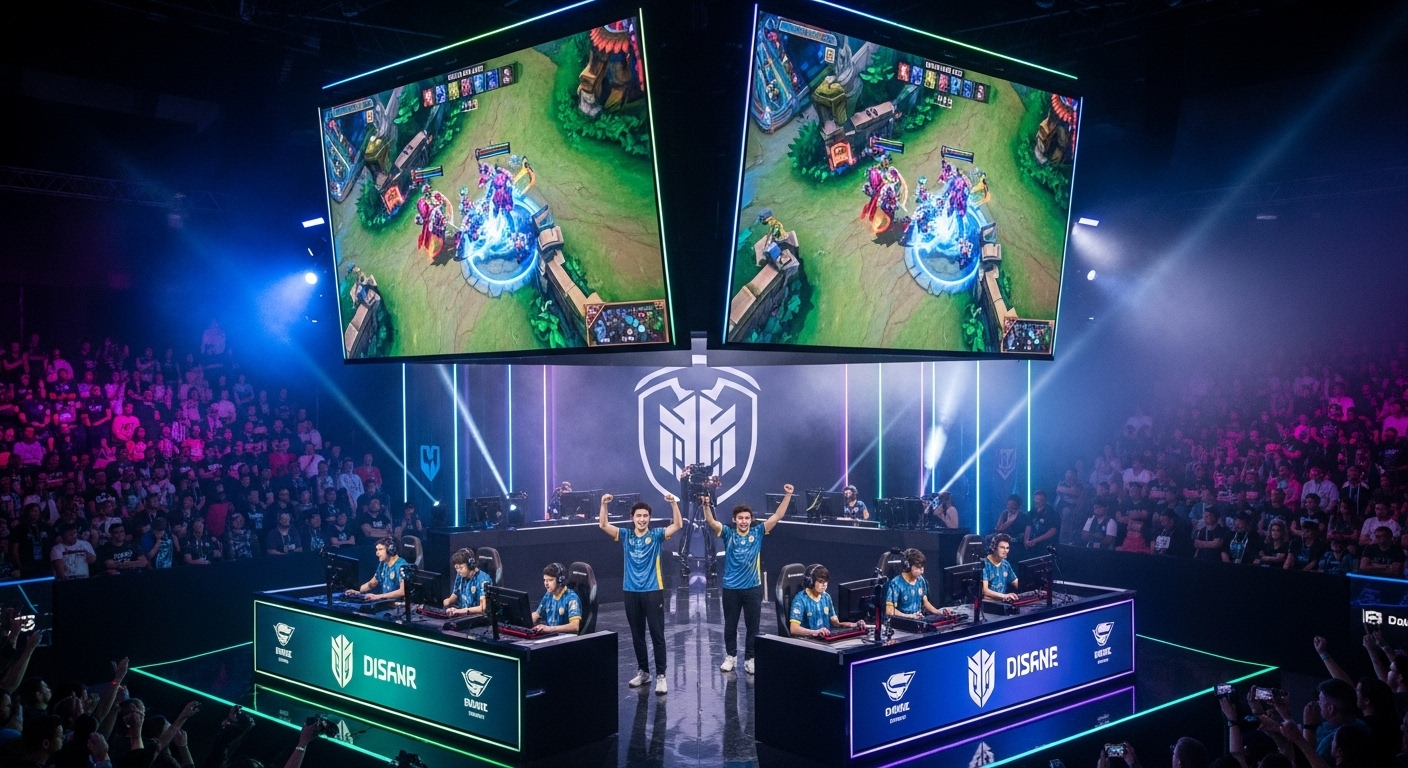
Esports, once dismissed as a niche hobby for a small group of gamers, has evolved into a global phenomenon that rivals traditional sports in scale, influence, and passion. Stadiums filled with cheering fans, professional athletes with rigorous training schedules, multi-million-dollar prize pools, and global audiences tuning in from every corner of the world are no longer exclusive to football, basketball, or cricket. Competitive gaming has carved its own powerful identity. Esports represents more than just playing video games; it reflects changing entertainment habits, technological advancement, and the emergence of a new generation of competitors and fans.
Understanding Esports: More Than Just Gaming
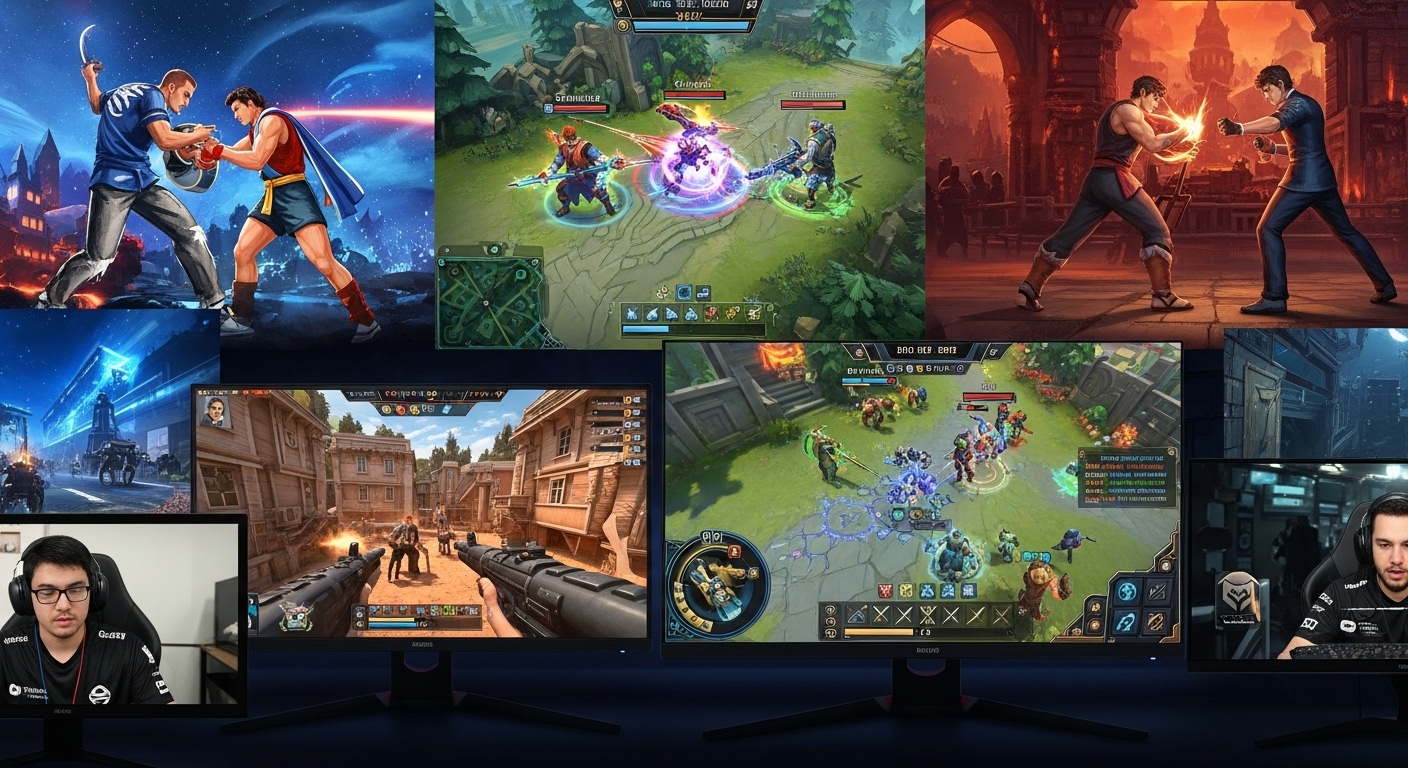
At its core, esports refers to organized, competitive video gaming where individuals or teams compete in structured tournaments. These competitions are governed by rules, formats, and leagues similar to traditional sports. What sets esports apart is its foundation in digital environments, where reflexes, strategy, teamwork, and mental endurance determine success. Games across various genres, including multiplayer online battle arenas, first-person shooters, real-time strategy, and sports simulations, form the backbone of the esports ecosystem.
Esports thrives because it blends skill-based competition with immersive storytelling. Each match creates narratives of rivalry, redemption, dominance, and surprise. Fans follow teams and players with the same loyalty seen in traditional sports, proving that emotional connection is not limited by physical arenas.
The Evolution of Competitive Gaming
The journey of esports began long before packed arenas and global broadcasts. Early competitive gaming emerged in arcades and local tournaments, where players gathered to challenge one another for bragging rights rather than fame or fortune. As home consoles and personal computers became widespread, competitive gaming shifted into online spaces, allowing players from different regions to compete without physical boundaries.
Technological advancements such as faster internet, powerful gaming hardware, and streaming platforms transformed esports into a spectator-friendly industry. Matches could now be watched live by millions, complete with professional commentary and analysis. What started as small community-driven events evolved into well-organized leagues supported by publishers, sponsors, and media companies.
Esports as a Professional Career
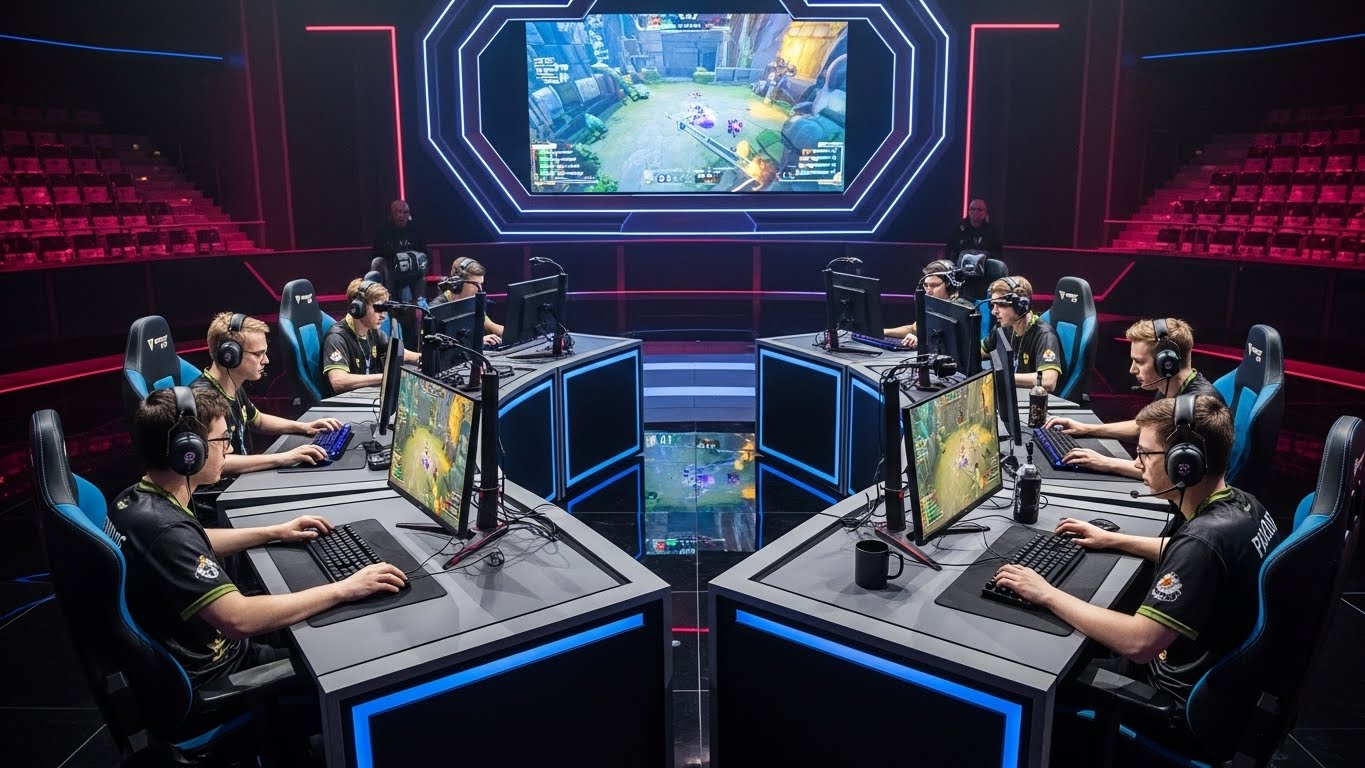
One of the most significant changes esports introduced is the legitimacy of gaming as a career. Professional players dedicate countless hours to practice, strategy development, and team coordination. Their daily routines often resemble those of traditional athletes, including structured training sessions, physical exercise, mental conditioning, and performance reviews.
Beyond players, esports has created career opportunities across multiple fields. Coaches, analysts, referees, commentators, event organizers, marketers, and content creators all play vital roles in the ecosystem. This expanding professional landscape demonstrates that esports is not a fleeting trend but a sustainable industry with long-term potential.
The Role of Technology in Esports Growth
Technology is the backbone of esports, driving both its accessibility and innovation. High-speed internet enables real-time competition and global viewership, while advancements in graphics and game engines create visually engaging experiences. Streaming technology allows fans to watch matches live, interact with communities, and support their favorite players.
Data analytics and artificial intelligence are increasingly used to analyze gameplay, improve strategies, and enhance viewer engagement. Virtual reality and augmented reality experiments hint at future possibilities where spectators may experience matches in entirely new ways. Esports continues to push technological boundaries, influencing how entertainment is consumed worldwide.
The Cultural Impact of Esports
Esports has reshaped global culture, particularly among younger generations. It has influenced fashion, music, language, and social interaction. Gaming events often blend competition with entertainment, featuring live performances, cinematic storytelling, and fan engagement activities.
Importantly, esports has also challenged traditional stereotypes about gamers. Competitive players demonstrate discipline, teamwork, leadership, and resilience. The global nature of esports promotes cultural exchange, as players and fans from diverse backgrounds connect through shared passion. This inclusivity has helped esports transcend borders and become a unifying force.
Esports and Education
Educational institutions have begun to recognize the value of esports. Schools and universities now offer esports programs, scholarships, and dedicated facilities. These initiatives are not solely focused on competition but also emphasize skills such as communication, strategic thinking, and digital literacy.
Esports-based education can engage students who may feel disconnected from traditional academic pathways. By integrating gaming with learning, institutions can foster creativity, collaboration, and problem-solving. This growing relationship between esports and education highlights its broader societal relevance.
Business, Sponsorship, and Economic Influence
The economic impact of esports is substantial. Brands across technology, apparel, food, and entertainment invest heavily in sponsorships and partnerships. Teams operate as professional organizations with branding, merchandising, and fan engagement strategies.
Esports events generate revenue through ticket sales, advertising, media rights, and in-game purchases. Cities hosting major tournaments benefit from tourism and global exposure. This economic activity reinforces esports as a serious business sector rather than a niche pastime.
Challenges Facing the Esports Industry
Despite its rapid growth, esports faces several challenges. Player burnout is a significant concern, as intense practice schedules and high-pressure environments can affect mental and physical health. Ensuring fair play and addressing issues such as cheating and match-fixing require constant vigilance.
Additionally, the industry must work toward greater inclusivity, addressing barriers related to gender, accessibility, and representation. Establishing standardized governance and long-term career security for players remains an ongoing challenge. Addressing these issues is essential for the sustainable growth of esports.
The Future of Esports
The future of esports appears promising and dynamic. As technology continues to evolve, esports experiences will become more immersive and interactive. Crossovers with traditional sports, entertainment, and education are likely to deepen. Mobile gaming and emerging markets will further expand the global audience.
Esports is also poised to influence how competition itself is defined. It challenges the notion that sports must be physical to be meaningful, proving that mental agility, coordination, and teamwork are equally compelling. As new generations grow up with digital competition as a norm, esports will continue to redefine the boundaries of sport and entertainment.
Conclusion: A Digital Legacy in the Making
Esports stands as a testament to how innovation can reshape culture, competition, and community. From humble beginnings to a global powerhouse, it has proven that passion and skill can thrive in digital spaces. Esports is not merely about games; it is about people, stories, and the relentless pursuit of excellence.
As the digital age progresses, esports will remain at the forefront of entertainment, inspiring players and fans alike. Its legacy is still being written, but one thing is certain: esports has forever changed the way the world views competition, proving that the arena of the future is as much virtual as it is real.