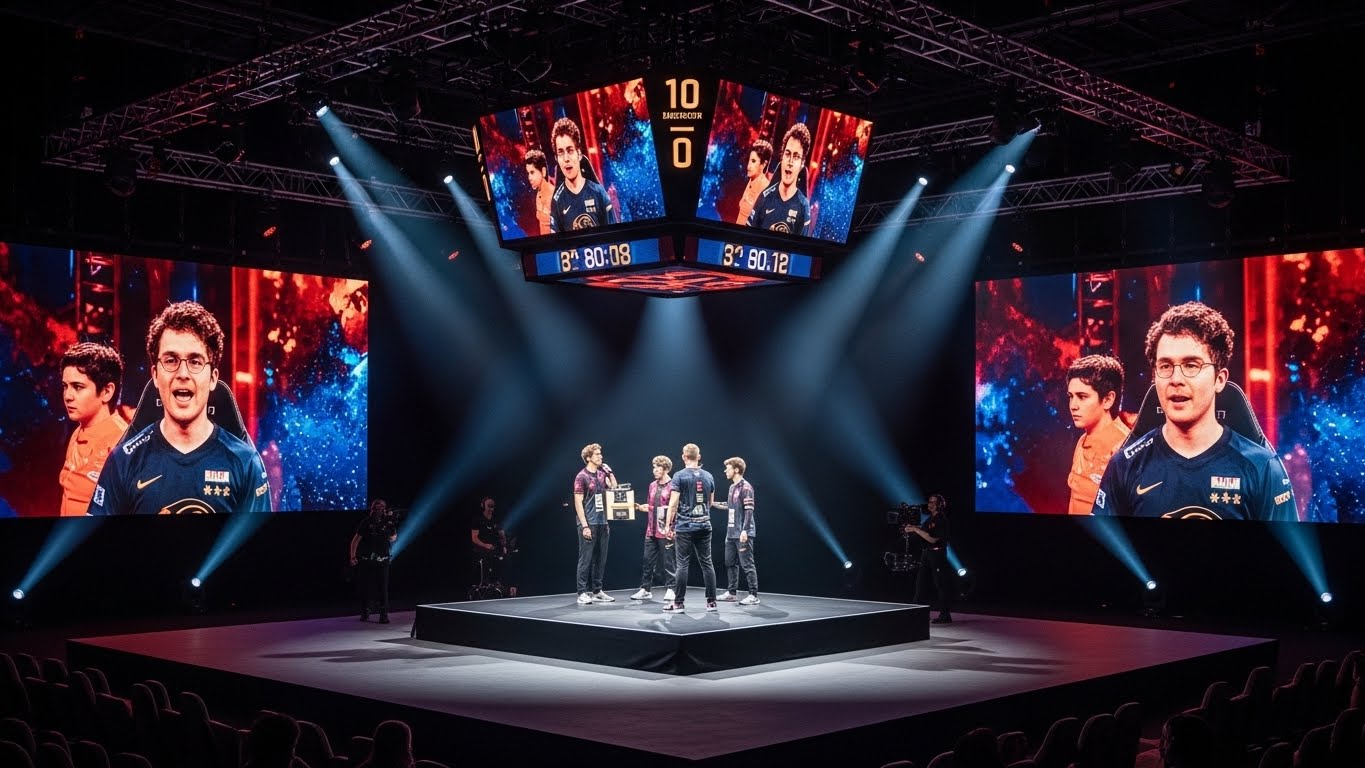
Introduction: Gaming Reimagined
Esports has rapidly grown from a hobby into a global phenomenon. What was once casual gaming has evolved into highly competitive tournaments watched by millions worldwide. Combining skill, strategy, and teamwork, esports has created a new landscape where players can achieve fame and fans can experience excitement on a scale comparable to traditional sports.
The Evolution of Esports
The journey of esports began with small-scale competitions among local gaming communities. As technology advanced and internet connectivity improved, esports transformed into a worldwide phenomenon. Today, international tournaments, professional teams, and massive online audiences define the esports industry, proving that competitive gaming has become a legitimate form of entertainment and sport.
Skills and Dedication in Esports
Success in esports requires more than quick reflexes. Professional players dedicate hours each day to perfecting strategies, improving hand-eye coordination, and collaborating with teammates. Mental focus, adaptability, and quick decision-making are essential, as matches are often won by the smallest of margins. The level of commitment mirrors the training of traditional athletes, highlighting the seriousness and professionalism of esports.
The Esports Industry and Opportunities
The esports industry has expanded into a multi-billion-dollar ecosystem. Beyond players, it includes coaches, analysts, commentators, event organizers, and content creators. Sponsorships, streaming platforms, and merchandise have created numerous opportunities, making esports a thriving career path while also entertaining audiences globally.
Community and Global Connection
Esports is not just about competition—it’s about community. Online platforms allow players and fans from different countries to interact, share experiences, and build friendships. Tournaments and live streams bring people together, fostering collaboration and cultural exchange. Esports has created a global network where passion for gaming unites diverse communities.
Challenges and Sustainability
While esports continues to grow, it faces challenges such as player burnout, fair competition, and maintaining mental and physical wellbeing. Organizations are introducing structured schedules, wellness programs, and fair play guidelines to create a healthy and sustainable environment for players and teams, ensuring long-term growth for the industry.
Conclusion: The Future of Esports
Esports represents a new era of digital competition where skill, strategy, and innovation intersect. It inspires a new generation of players, entertains millions, and transforms gaming into a recognized and respected sport. As technology and creativity continue to evolve, esports will shape the future of entertainment, proving that gaming is more than a pastime—it is a global phenomenon.