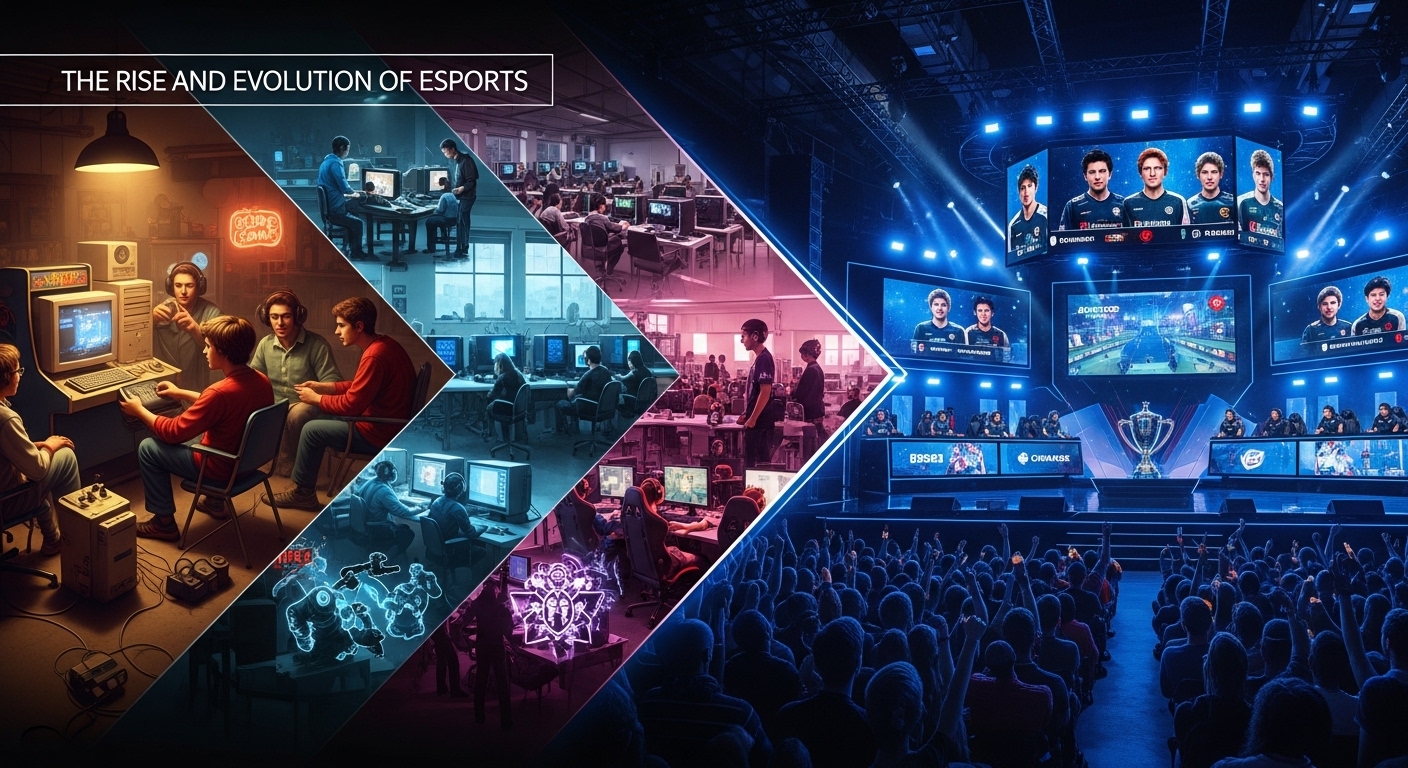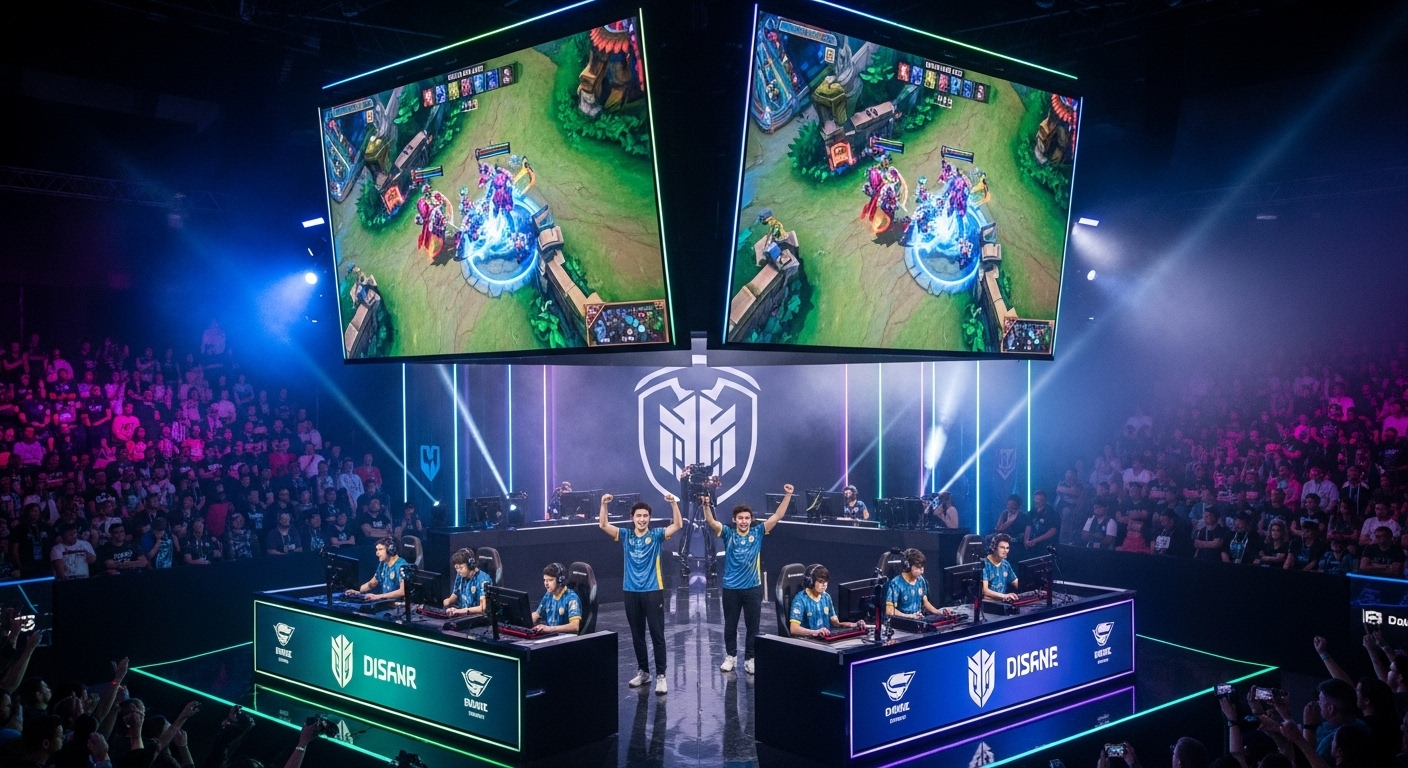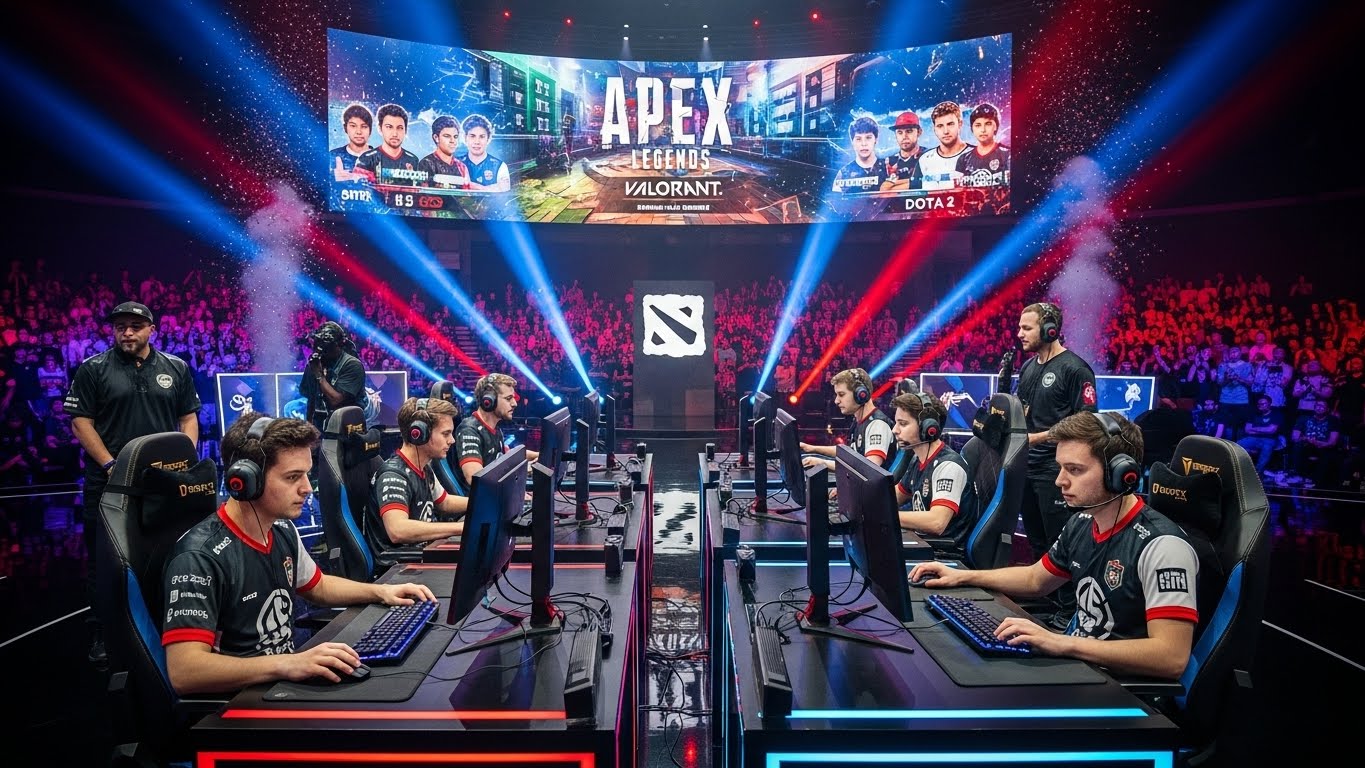
Esports has grown from a casual pastime into one of the most influential entertainment industries in the world. What once involved small groups of gamers competing in local settings has transformed into a global spectacle watched by millions. With professional players, organized leagues, massive prize pools, and passionate fan bases, esports has earned its place alongside traditional sports. This blog explores the journey of esports, its impact on culture and economy, the challenges it faces, and what the future holds for competitive gaming.
The Early Days of Competitive Gaming
The roots of esports trace back to the early days of video gaming when players gathered around arcade machines to compete for high scores. These early competitions were informal, driven purely by passion rather than profit. As home consoles and personal computers became more common, multiplayer gaming evolved, allowing players to compete beyond physical locations. Games like early fighting and strategy titles laid the groundwork for organized competition.
The introduction of local area networks allowed players to connect their systems and compete in real time, marking a major turning point. Small tournaments began to appear, often organized by gaming communities themselves. While these events lacked sponsorship and media coverage, they planted the seeds for what would eventually become the esports industry.
The Digital Revolution and Online Competition
The expansion of the internet changed everything for competitive gaming. Online multiplayer functionality removed geographical barriers, enabling players from different parts of the world to compete against each other. This global connectivity gave rise to online ladders, ranked systems, and competitive matchmaking.
Streaming technology further accelerated esports growth. Live broadcasts allowed fans to watch matches in real time, turning players into digital athletes and entertainers. Viewers could now follow teams, analyze strategies, and engage with gaming personalities. This visibility helped legitimize esports and attracted sponsors, investors, and media attention.
Understanding the Esports Ecosystem
Esports is built on a complex ecosystem that extends far beyond players. Professional teams operate like traditional sports organizations, complete with coaches, analysts, managers, and support staff. These teams train extensively, studying opponents, refining strategies, and maintaining peak performance levels.
Tournament organizers play a critical role by hosting events, managing schedules, and ensuring fair competition. Developers also influence esports by balancing games, introducing updates, and supporting competitive scenes. Fans complete the ecosystem by watching, cheering, and supporting their favorite players and teams, creating a vibrant and engaged community.
Popular Esports Genres and Games
Esports includes a wide variety of game genres, each offering unique competitive experiences. Multiplayer online battle arena games focus on teamwork, strategy, and precise execution. These games often involve long matches where decision-making and coordination determine victory.
First-person shooter games emphasize reflexes, accuracy, and tactical awareness. Players must react quickly while maintaining strong communication with teammates. Fighting games showcase individual skill, timing, and mental resilience, often producing intense one-on-one battles.
Sports simulation games attract fans of traditional athletics by translating real-world sports into digital competition. These games bridge the gap between conventional sports audiences and gaming communities, expanding esports reach.
Esports as a Professional Career
For many players, esports is no longer just a hobby but a full-time profession. Top competitors earn income through salaries, tournament winnings, sponsorships, and content creation. Professional players follow structured routines that include practice sessions, strategy reviews, and physical fitness programs.
Beyond playing, esports offers diverse career opportunities. Coaching, commentary, event management, marketing, and game analysis are all vital roles within the industry. Educational institutions are beginning to recognize esports by offering scholarships and specialized programs, further validating its career potential.
However, the professional path is demanding. Competition is fierce, and only a small percentage of players reach the highest levels. Success requires dedication, adaptability, and continuous improvement, as games and strategies evolve rapidly.
Economic Impact of the Esports Industry
The esports industry has become a powerful economic force. Revenue is generated through sponsorships, advertising, merchandise, ticket sales, and broadcasting rights. Major tournaments attract large audiences, filling arenas and driving significant consumer spending.
Esports also supports related industries such as hardware manufacturing, software development, and digital media. Gaming peripherals, streaming equipment, and high-performance computers are in constant demand. This interconnected economy demonstrates how esports contributes to job creation and technological innovation.
Cities that host major esports events benefit from increased tourism and international exposure. Hotels, restaurants, and local businesses experience economic boosts, further reinforcing esports as a valuable commercial activity.
Cultural Influence of Esports
Esports has reshaped modern culture, particularly among younger generations. Gaming communities foster social interaction, collaboration, and shared identity. Fans connect through live chats, forums, and fan events, forming strong bonds over their favorite games and teams.
Competitive gaming has also challenged stereotypes. Players are now recognized for their discipline, strategic thinking, and teamwork. The narrative surrounding gaming has shifted from isolation to community-driven engagement and skill-based competition.
Esports influences fashion, music, and digital content creation. Players and teams collaborate with artists and brands, blending gaming culture with mainstream entertainment. This cultural crossover continues to expand esports’ visibility and acceptance.
Challenges Facing Esports
Despite its success, esports faces several challenges. Player health is a major concern, as long hours of practice can lead to physical strain and mental exhaustion. Issues such as repetitive stress injuries, eye fatigue, and burnout are common. Organizations are increasingly prioritizing wellness programs to support players’ long-term health.
Regulation is another challenge. The esports industry lacks universal governance, leading to inconsistencies in rules, contracts, and player protections. Addressing issues like cheating, match manipulation, and fair treatment requires coordinated efforts across regions and organizations.
Inclusivity remains an ongoing issue. While esports is accessible to many, underrepresentation and toxic behavior persist. Promoting diversity, encouraging respectful communities, and providing equal opportunities are essential for sustainable growth.
Technological Innovation and Esports
Technology continues to shape the future of esports. Advances in hardware improve gameplay precision and viewing quality. High-definition broadcasts, immersive audio, and interactive features enhance the spectator experience.
Artificial intelligence is being used to analyze gameplay, improve training methods, and detect cheating. Data-driven insights help teams refine strategies and optimize performance. Virtual and augmented reality hold potential to transform how fans experience esports, offering immersive and interactive viewing environments.
These innovations ensure that esports remains at the forefront of digital entertainment.
The Future of Competitive Gaming
The future of esports is filled with opportunity. As internet access expands and technology improves, esports will reach new audiences worldwide. Emerging regions are producing talented players and passionate fan bases, contributing to global diversity.
Educational integration is expected to grow, with schools and universities embracing esports programs. This will help develop skills beyond gaming, including teamwork, communication, and problem-solving.
Esports will likely continue blending with traditional sports, media, and entertainment. Collaborative events and cross-industry partnerships will further solidify its position in mainstream culture.
Preparing for the Next Generation of Esports
Aspiring players should focus on developing both technical and personal skills. Consistent practice, strategic understanding, and strong communication are essential. Building a positive online presence and maintaining balance between gaming and personal life can support long-term success.
For those interested in non-playing roles, understanding the business, media, and technology aspects of esports is valuable. The industry thrives on innovation, creativity, and collaboration, offering many paths to contribute.
Conclusion
Esports has evolved into a global powerhouse that combines competition, entertainment, and community. It has redefined how people play, watch, and connect through games. While challenges remain, the industry’s growth, cultural influence, and economic impact cannot be ignored.
As technology advances and acceptance continues to grow, esports will play an even greater role in shaping digital culture. It represents more than just gaming—it is a modern expression of competition, creativity, and connection in an increasingly digital world.
Esports is no longer confined to screens and controllers. It is a movement that continues to push boundaries, inspire millions, and redefine what it means to compete in the twenty-first century.