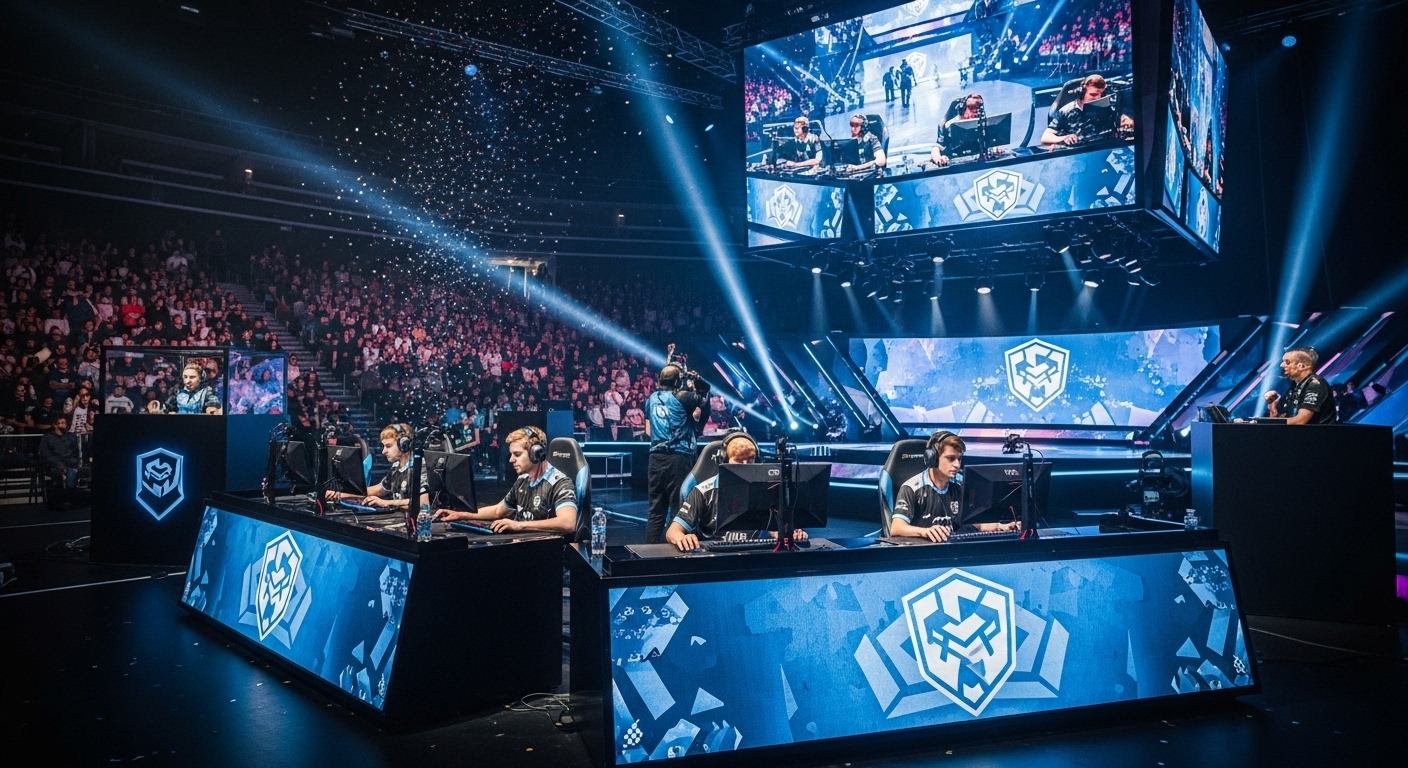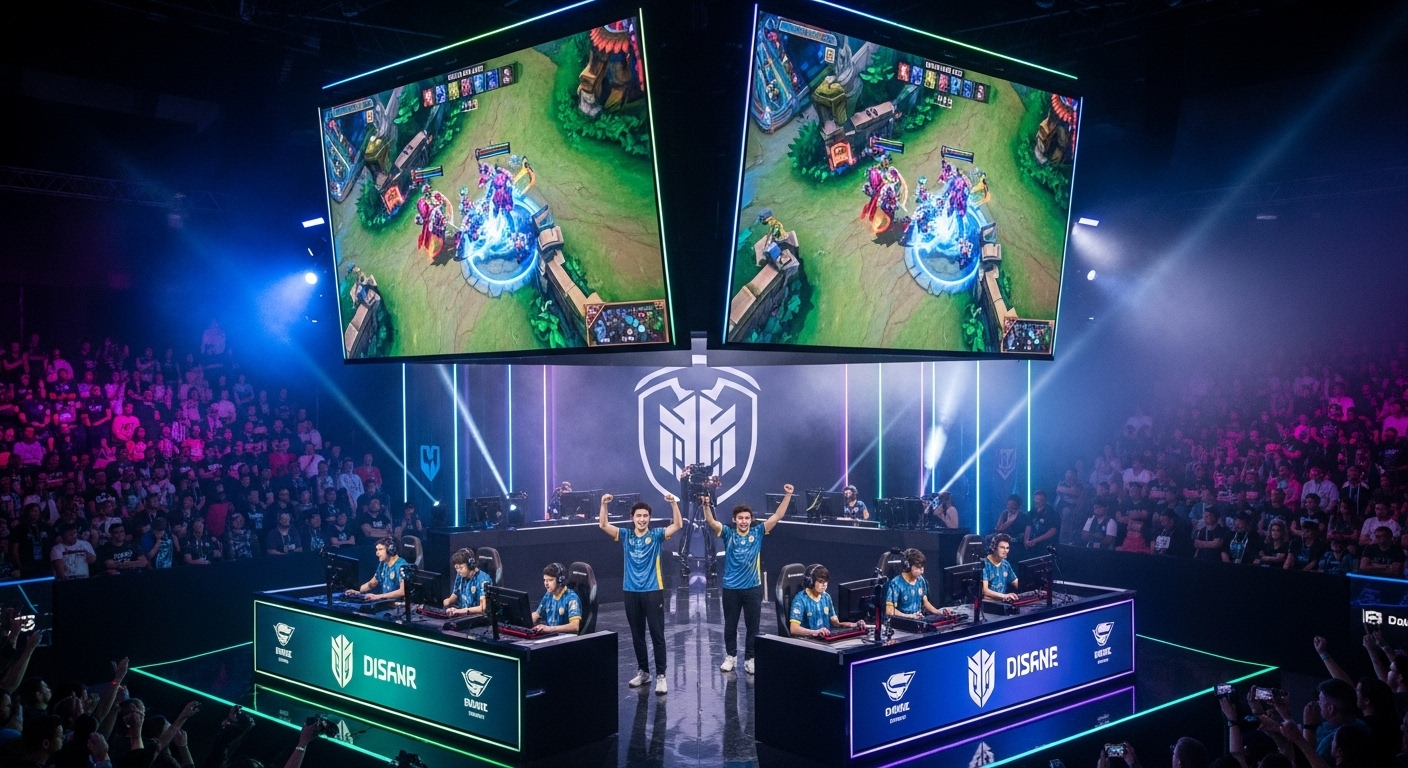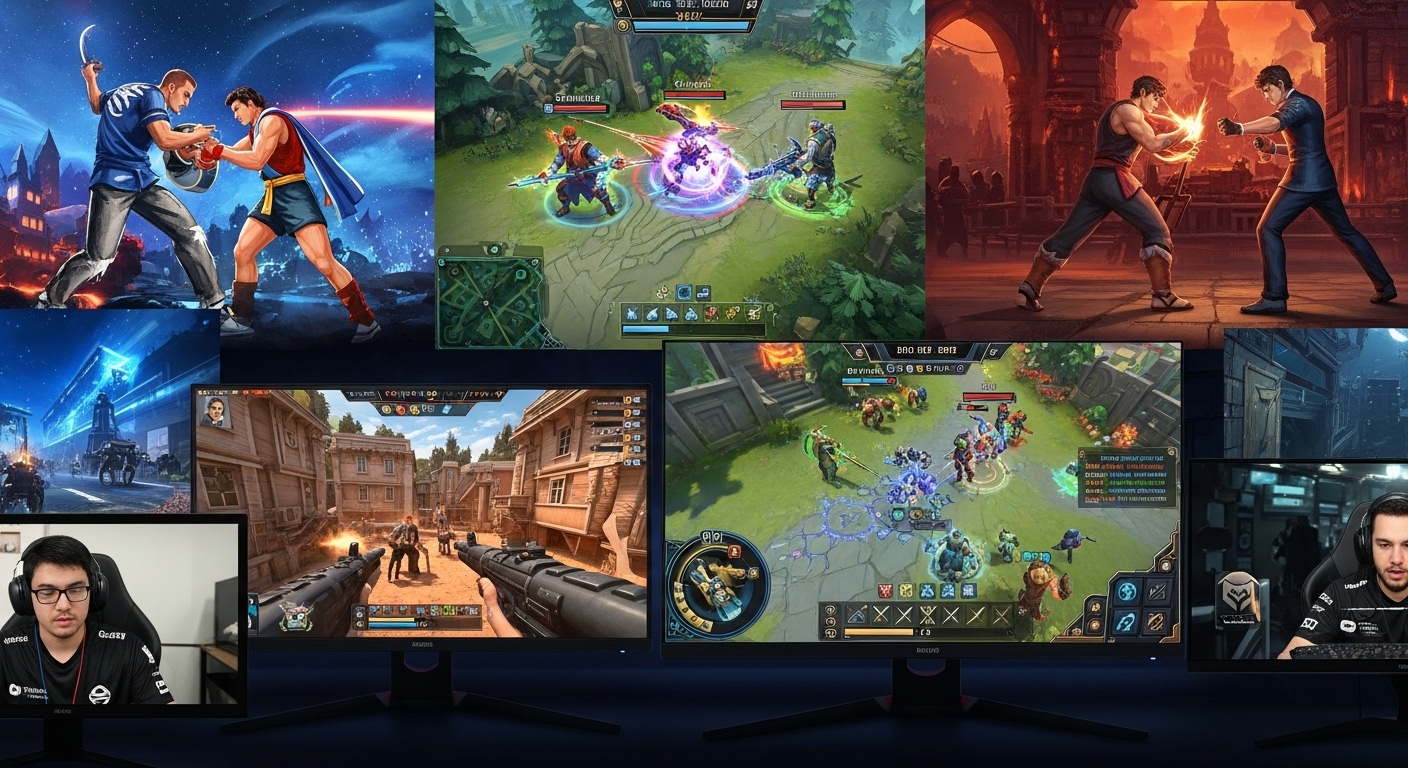
Esports has grown from a niche hobby into a global phenomenon, attracting millions of players and fans worldwide. Competitive gaming now stands alongside traditional sports, offering professional careers, massive tournaments, and a vibrant community of enthusiasts. It’s more than just entertainment—it’s a culture, a career, and a spectacle.
What is Esports?
Esports, short for electronic sports, is the organized competitive play of video games at professional or semi-professional levels. Players compete individually or in teams across various genres, including first-person shooters, strategy games, multiplayer online battle arenas, and sports simulations.
Unlike casual gaming, esports demands strategy, precision, teamwork, and hours of dedicated practice. It combines the thrill of competition with advanced digital technology, creating a unique form of entertainment and skill development.
The Explosive Growth of Esports
In the last decade, esports has experienced exponential growth. Global tournaments now fill stadiums with tens of thousands of spectators, while millions more watch online via streaming platforms. Prize pools have skyrocketed, with top competitions offering multi-million-dollar rewards, rivaling major traditional sports events.
The industry has also attracted sponsors, media deals, and merchandise opportunities, turning esports into a multi-billion-dollar global business. Organizations invest heavily in training, coaching, and content creation, further professionalizing the ecosystem.
Careers in Esports
Esports is no longer just a game—it’s a career. Professional players earn income through tournament winnings, sponsorships, and streaming. Coaches, analysts, commentators, and content creators are also integral to the ecosystem, offering diverse job opportunities.
Successful esports careers require discipline, teamwork, strategic thinking, and adaptability. Players must balance practice, mental health, and public engagement to remain competitive in this fast-paced industry.
Strategy, Skill, and Teamwork
At its core, esports combines individual skill with team strategy. Players must react quickly, make real-time decisions, and execute precise actions under pressure. Teams develop complex strategies, study opponents, and adapt dynamically during matches.
This blend of strategy and skill is what makes esports exciting to watch and challenging to play. Spectators are drawn not just to the action but to the depth of planning and coordination displayed by professional teams.
The Social Impact of Esports
Esports fosters vibrant communities around the world. Fans interact online, follow teams, share strategies, and participate in forums, building global connections. The industry has also challenged stereotypes about gaming, highlighting discipline, teamwork, and career potential.
For young players, esports offers inspiration and tangible goals. It shows that passion for gaming can lead to professional opportunities, personal growth, and global recognition.
The Future of Esports
The future of esports is bright and full of innovation. Emerging technologies like virtual reality, augmented reality, and AI-powered analytics will redefine gameplay and fan experiences. Tournaments will continue to grow in scale, attracting wider audiences and higher investments.
Esports will increasingly integrate with mainstream entertainment and education, demonstrating how digital competition can shape culture, community, and even learning.
Conclusion
Esports has evolved from casual play into a professional, global phenomenon. It combines strategy, skill, and teamwork, creating exciting opportunities for players, fans, and professionals alike. As technology and innovation continue to advance, esports will remain at the forefront of digital entertainment, uniting millions of people through competition, creativity, and passion.