In the past decade, esports has evolved from a niche hobby to a global phenomenon, transforming the way people view sports, entertainment, and competition. Once considered a pastime for a small group of dedicated gamers, esports now boasts professional leagues, international tournaments, and millions of fans around the world. It has become a cultural force that bridges technology, community, and athletic skill in a way that is uniquely suited to the modern digital era. This blog delves into the journey of esports, its societal impact, and why it has grown into an industry that rivals traditional sports.
The Early Beginnings of Esports
The history of esports dates back to the 1970s, when video game competitions first appeared in arcades. Titles such as Space Invaders and Pac-Man attracted local players eager to showcase their skills, often with prizes for top scores. The competitive spirit was present even then, though the scale was relatively small compared to today’s global tournaments.
By the 1990s, with the rise of personal computers and the internet, esports began to take a more organized form. Games like Quake, Counter-Strike, and StarCraft became the foundation for early competitive scenes, featuring regional tournaments and online matchups. In South Korea, esports became mainstream in the early 2000s, particularly with StarCraft competitions that were broadcast on television, drawing massive audiences and turning professional players into national celebrities.
What Makes Esports Unique
Esports is more than just playing video games for fun; it is a structured form of competition that requires skill, strategy, and discipline. It encompasses a variety of game genres, including multiplayer online battle arenas, first-person shooters, fighting games, and real-time strategy games. Each genre demands different abilities such as quick reflexes, strategic thinking, and teamwork.
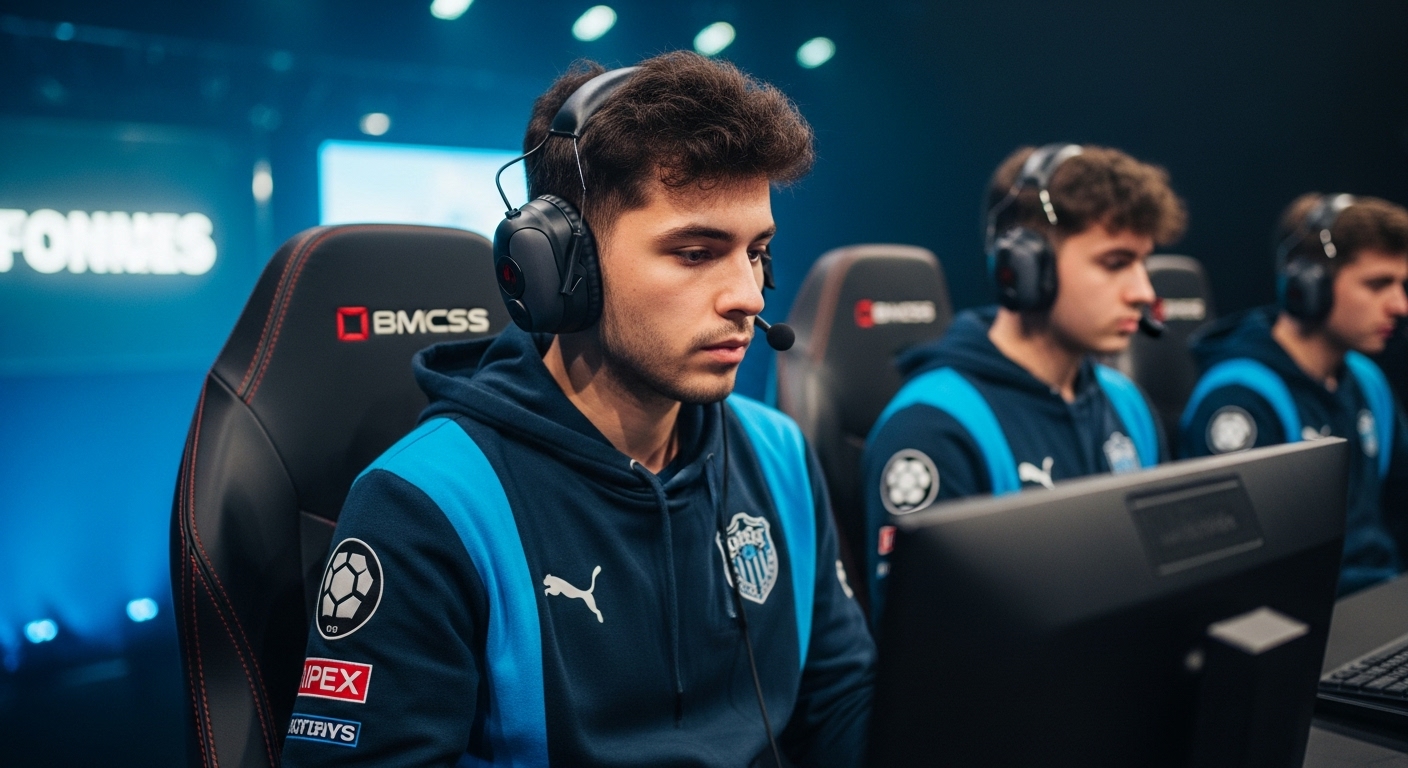
Unlike casual gaming, professional esports requires long hours of practice, detailed analysis of opponents, and continual adaptation to new strategies and game updates. This commitment parallels the training regimens of traditional athletes, showing that esports is a legitimate competitive endeavor.
Teams, Organizations, and Professional Structures
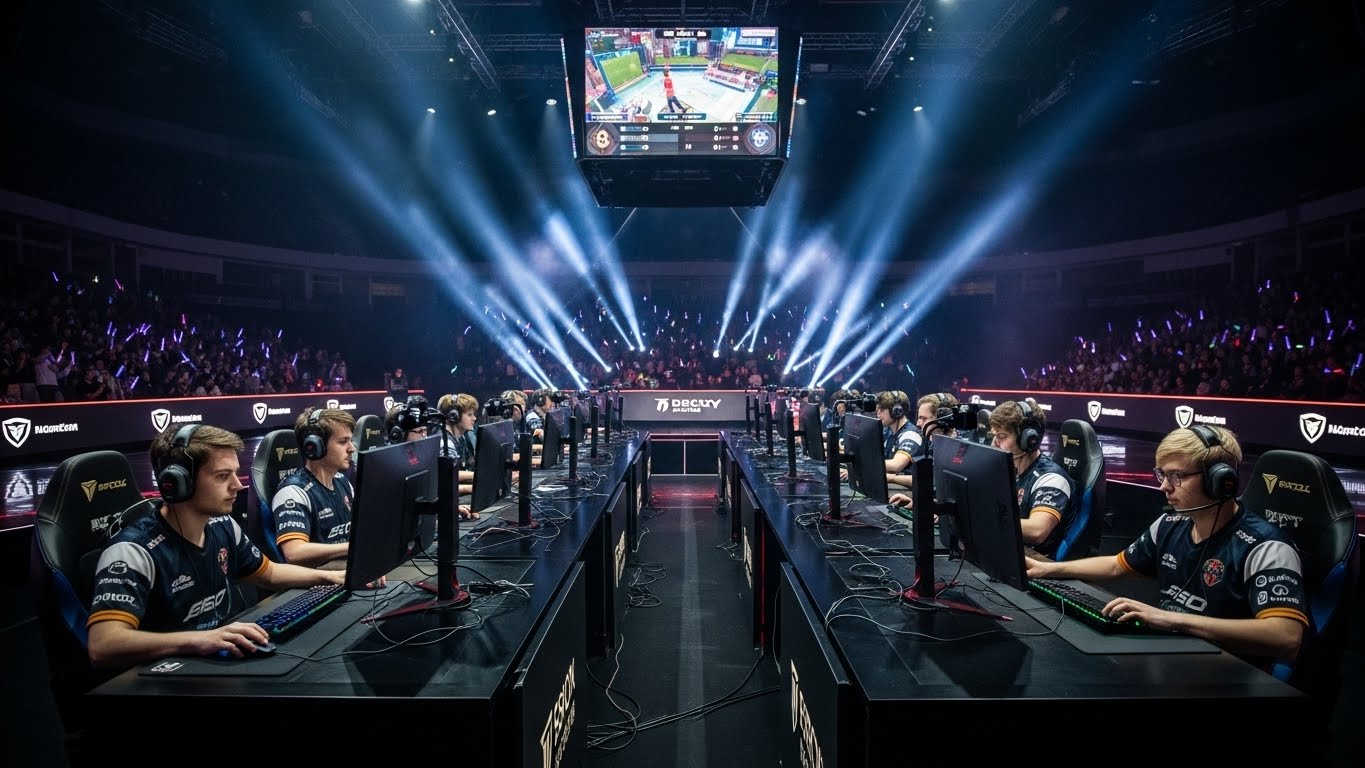
Esports thrives on teamwork and organization. Many popular esports games are team-based, requiring players to coordinate strategies and communicate effectively under pressure. Professional teams often include players with specialized roles, such as attackers, defenders, or support, each contributing to the overall success of the team.
Esports organizations operate similarly to professional sports franchises. They provide coaching, analytics, physical and mental health support, and sponsorship management. Teams also engage with fans through social media, streaming, and public events, creating a strong community connection. The professionalization of esports has transformed competitive gaming into a sustainable industry with clear career paths for players and staff alike.
The Power of Streaming Platforms
One of the factors that has fueled the rapid growth of esports is the rise of streaming platforms. Unlike traditional sports, which require physical venues, esports can be broadcast live to millions of viewers worldwide. Platforms allow fans to watch matches, interact with players, and engage with live commentary, creating a highly interactive spectator experience.
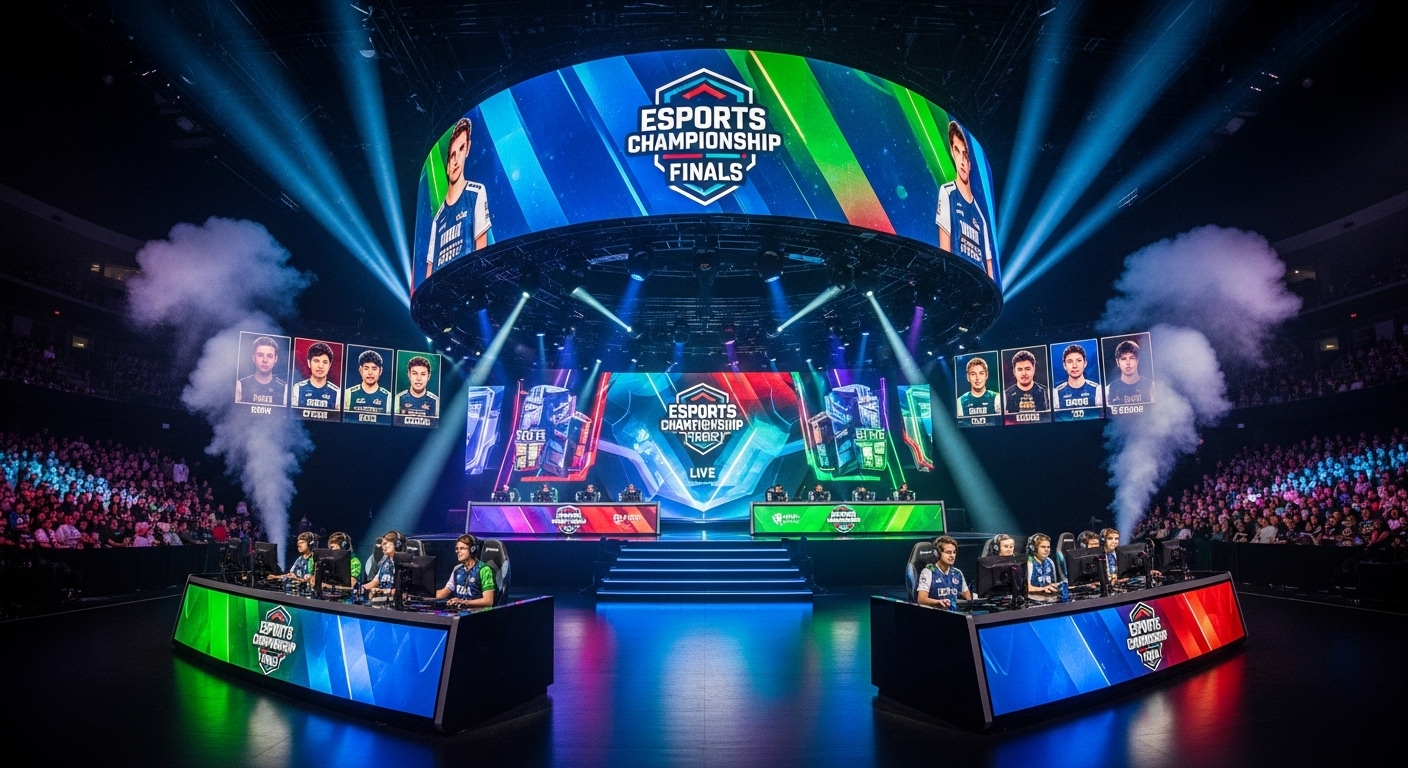
Esports viewers can access real-time statistics, multiple camera angles, and in-depth analysis, enhancing their understanding and enjoyment of the game. Major tournaments attract audiences comparable to traditional sports events, with millions tuning in simultaneously to watch international competitions. This digital accessibility has helped esports become a truly global phenomenon.
Economic Growth and Opportunities
Esports has grown into a multi-billion-dollar industry. Revenue comes from diverse sources including sponsorship deals, advertising, merchandising, ticket sales, and broadcasting rights. Major tournaments feature prize pools reaching millions of dollars, attracting top-tier talent and creating high-stakes competition.
The industry has also created career opportunities beyond playing professionally. Coaches, analysts, commentators, event organizers, and content creators all contribute to the esports ecosystem. Technology companies, gaming hardware manufacturers, and marketing agencies benefit from the growth of esports, making it an important driver of innovation and economic development.
Training, Discipline, and Mental Resilience
Professional esports players maintain rigorous training schedules comparable to traditional athletes. Daily practice, strategy development, and team coordination exercises are standard, and physical fitness is encouraged to maintain stamina and reflexes. Mental conditioning is equally important, as players must handle high-pressure situations, setbacks, and the demands of a public audience.
Techniques such as visualization, goal-setting, and mindfulness are commonly employed to enhance focus and performance. Mental resilience is a key component of esports success, allowing players to remain competitive in high-stakes scenarios and recover quickly from losses or mistakes.
Psychological and Social Benefits
Esports provides numerous psychological and social benefits that are often overlooked. Competitive play enhances problem-solving abilities, critical thinking, decision-making under pressure, and hand-eye coordination. Players learn to anticipate challenges, adjust strategies in real time, and develop mental agility.
Socially, esports fosters community. Online platforms connect players from around the world, creating friendships, networks, and collaborative opportunities. The competitive environment also encourages leadership, teamwork, and communication skills, providing valuable experiences that extend beyond the gaming arena.
Challenges and Considerations
Despite its growth, esports faces several challenges. Long hours of practice and screen exposure can lead to physical issues, including eye strain, repetitive motion injuries, and posture-related problems. Mental health concerns, such as stress, burnout, and performance anxiety, are also common among professional players.
Inclusivity and diversity remain ongoing challenges. While there has been progress, women and underrepresented groups continue to face barriers in the esports industry. Addressing these issues is crucial to ensuring a sustainable and equitable future for competitive gaming.
Global Appeal and Cultural Significance
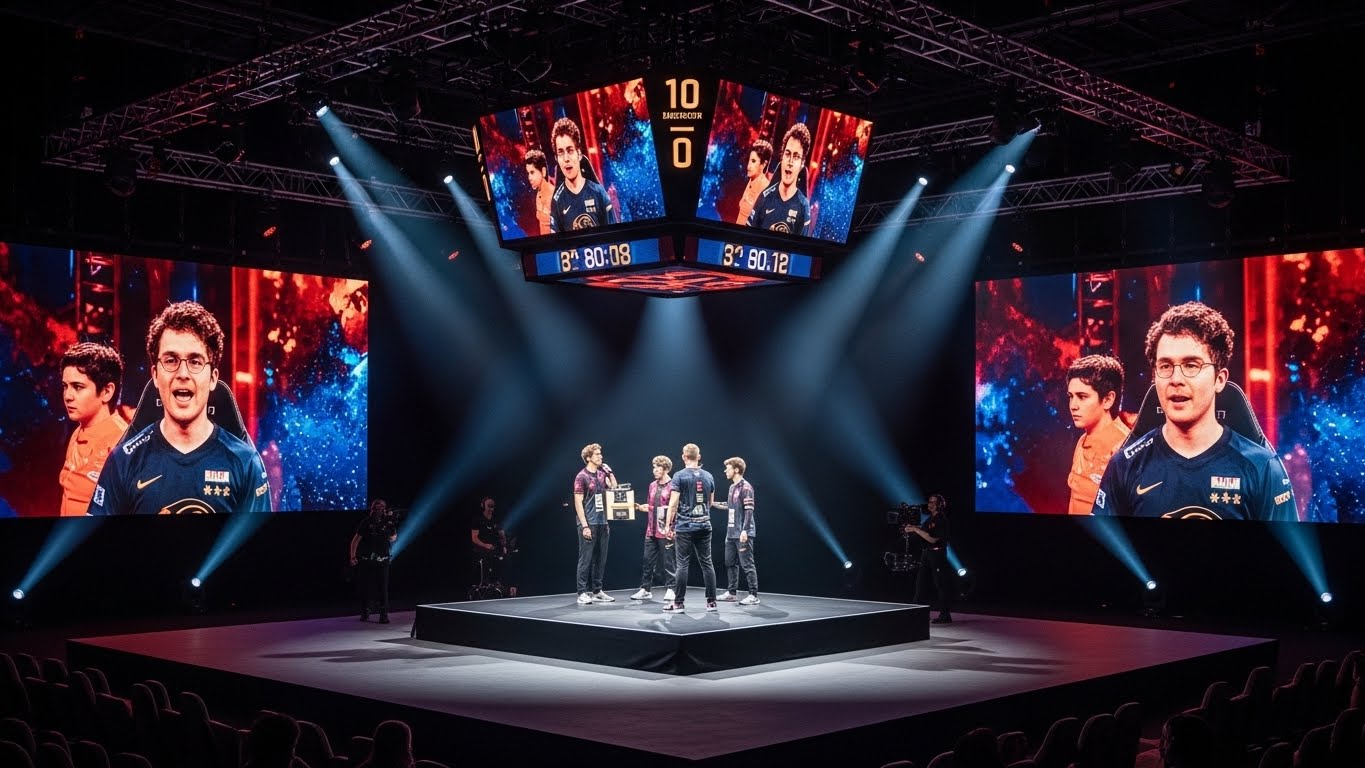
Esports has a universal appeal that transcends geographic and cultural boundaries. Players from different regions can compete in international tournaments, and fans from around the world can follow their favorite teams and players in real time. This global connectivity fosters cultural exchange and a sense of shared experience.
For younger generations, esports aligns with digital lifestyles and technology fluency. It combines entertainment, competition, and social interaction, making it a central part of contemporary culture. Beyond gaming, esports influences media, education, and technology, cementing its status as a modern cultural phenomenon.
The Future of Esports
The future of esports is poised for continued growth and innovation. Emerging technologies such as virtual reality, augmented reality, and cloud gaming are set to make competitions more immersive and interactive. Artificial intelligence can enhance training, strategy analysis, and gameplay design, adding new layers of sophistication.
Educational institutions are recognizing the legitimacy of esports, offering scholarships, degree programs, and training facilities. As esports continues to expand, it will influence culture, entertainment, and technology, creating new opportunities for players, fans, and industry professionals.
Conclusion: Esports as a Modern Sport
Esports has transformed competitive gaming into a professional, global, and culturally significant phenomenon. It combines skill, strategy, technology, and community in ways that challenge traditional definitions of sport. Professional players demonstrate dedication, discipline, and resilience similar to traditional athletes, while fans engage with a highly interactive and immersive spectator experience.
As esports grows, it continues to redefine competition, inspire innovation, and foster connections across cultures and continents. It is more than a game; esports represents a new era of competition that celebrates human skill, collaboration, and the limitless possibilities of the digital age.