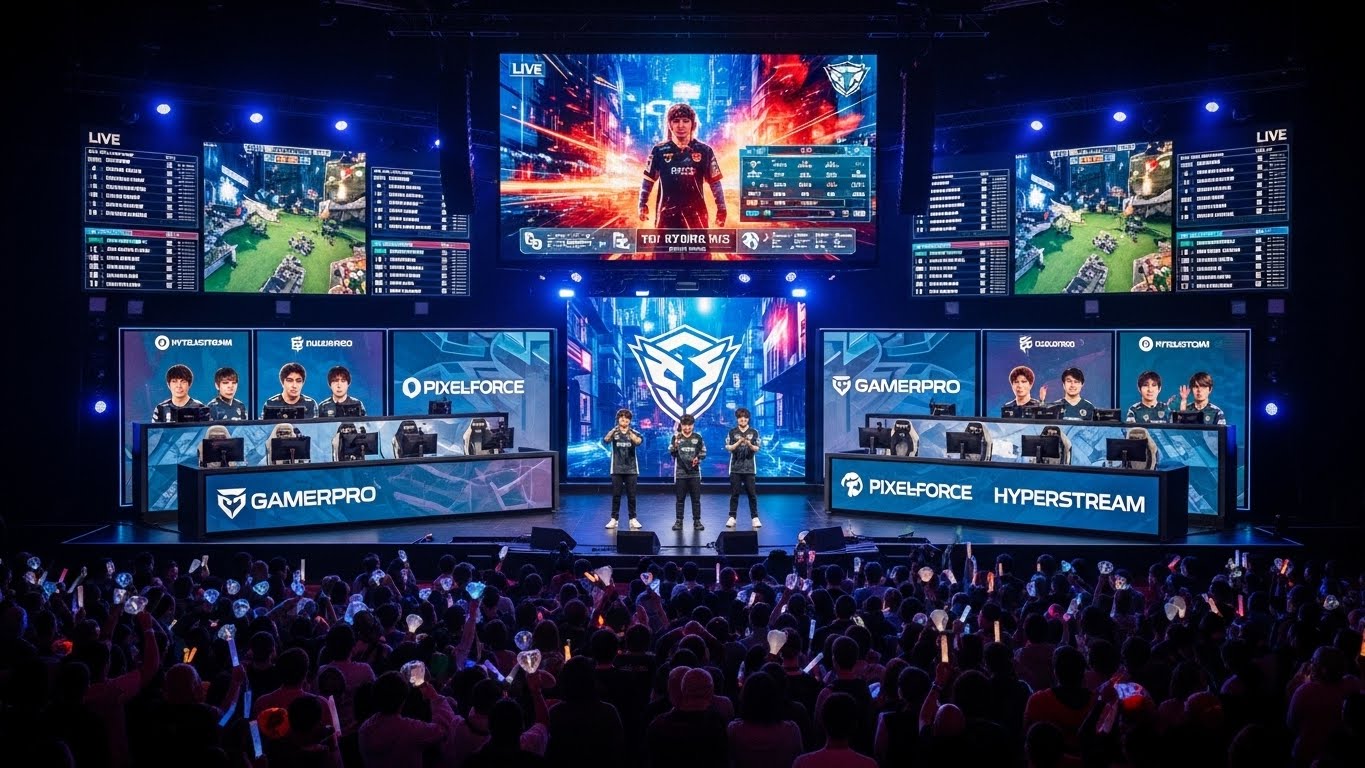
Esports, or competitive video gaming, has evolved from a casual pastime into a global phenomenon. Once considered a hobby for a niche group of enthusiasts, it is now a professional industry with millions of fans, multi-million-dollar tournaments, and career opportunities for players, coaches, and content creators. This blog explores the rise of esports, its impact on society, and the opportunities it provides for players and fans alike.
Understanding Esports
Esports refers to organized, competitive video gaming where individuals or teams face off in tournaments. Unlike traditional sports that rely on physical athleticism, esports emphasizes strategy, reflexes, teamwork, and mental endurance. Games in esports cover multiple genres including first-person shooters, multiplayer online battle arenas, real-time strategy, and sports simulations. Popular titles like League of Legends, Dota 2, Counter-Strike, and Fortnite have become household names within this digital world.
Competitions range from small local events to massive international tournaments broadcasted to millions of viewers. The competitive environment mirrors traditional sports in structure, with leagues, rankings, and structured seasons, demonstrating that esports is far more than casual gaming.
The Rapid Growth of Esports
Over the past decade, esports has grown at an unprecedented rate. Professional leagues and organizations have emerged, recruiting players, coaches, analysts, and content creators. Teams now operate with full training schedules, support staff, and sponsorship deals similar to traditional sports franchises.
Viewership has soared, with millions tuning in to watch live streams and broadcasts of major tournaments. Prize pools for premier events often reach millions of dollars, signaling the commercial viability of esports. This growth has turned competitive gaming into a recognized profession and a multi-billion-dollar industry.
Skill, Strategy, and Mental Agility
Success in esports requires far more than quick reflexes. Players must master game mechanics, understand opponent behavior, and develop strategies on the fly. Team-based games demand communication, cooperation, and split-second decision-making. Individual players in certain games must balance speed, accuracy, and precision while constantly adjusting their approach to the match.
Mental resilience is critical. The pressure to perform in front of thousands of viewers, combined with the need to maintain focus over extended periods, can be intense. Players must cultivate concentration, adaptability, and emotional control, demonstrating that esports is as much a mental challenge as it is a physical one.
Esports as a Career
Esports offers a growing range of career opportunities beyond just playing. Professional players earn salaries, prize money, and endorsement deals, while coaches, analysts, commentators, event organizers, and content creators contribute to the ecosystem. Organizations often provide facilities, nutrition plans, and mental health support to help players perform at their best.
The rise of esports academies and training programs enables young players to develop skills professionally, creating structured pathways to success. Esports as a career is gaining legitimacy, challenging stereotypes that gaming is only a leisure activity and offering sustainable professional opportunities.
The Global Reach of Esports
Esports transcends borders, connecting players and fans worldwide. International tournaments bring together teams from multiple countries, fostering cultural exchange and collaboration. The global nature of esports also provides opportunities for players from regions without traditional sports infrastructure to compete on the world stage.
Universities and educational institutions are embracing esports, offering scholarships, courses, and degree programs related to competitive gaming, digital media, and esports management. This recognition highlights the importance of esports as a cultural and economic phenomenon with a significant influence on global youth.
Technology at the Heart of Esports
Technology drives the growth of esports. High-performance computers, gaming consoles, fast internet connections, and advanced graphics are essential to professional competition. Streaming platforms allow millions of viewers to watch matches live, creating global communities of fans.
Virtual reality, augmented reality, and artificial intelligence are increasingly integrated into esports. VR and AR enhance immersive experiences, while AI provides data-driven insights for players and teams. Technology not only supports gameplay but also enriches the viewer experience, ensuring esports continues to innovate and expand.
The Role of Fans and Community
The esports community plays a critical role in the industry’s growth. Fans engage by watching streams, creating content, and participating in discussions about games and players. Unlike traditional sports, esports fans often interact directly with players through live chats and social media, creating a dynamic and interactive fan culture.
Communities form around teams, games, and even online platforms, fostering a sense of belonging and identity. This engagement encourages continued interest in esports and strengthens the bond between players and their supporters. Fans are integral to the industry, influencing trends and shaping the cultural significance of esports.
Mental Health and Esports
Competitive gaming can be mentally demanding. Long hours of practice, performance pressure, and constant travel may contribute to stress and burnout. However, with proper support, esports can positively impact mental health. Players develop problem-solving skills, discipline, and teamwork, while learning to handle setbacks constructively.
Many professional organizations now employ mental health professionals, coaches, and mentors to support players’ well-being. These measures ensure that esports remains sustainable as a career and helps players maintain balance between gaming and personal life.
Esports in Education
Esports is increasingly integrated into educational programs. Schools and universities offer esports clubs, tournaments, and scholarship opportunities, helping students develop skills in leadership, strategy, and digital literacy. Participation in these programs teaches time management, collaboration, and focus, preparing students for both academic and professional success.
Educational esports programs also emphasize responsible gaming. Students learn to balance competition with health, ensuring that their engagement in esports is productive and sustainable. The integration of esports into education highlights its legitimacy and potential as a developmental tool.
Women in Esports
Historically, esports has been male-dominated, but female participation is growing steadily. Women are making their mark as professional players, commentators, coaches, and content creators. Their achievements challenge stereotypes and foster inclusivity, encouraging a more diverse and balanced esports environment.
Supporting female players and promoting equal opportunities are essential for the long-term success of esports. Diversity strengthens competition, enhances creativity, and broadens the appeal of esports to a wider audience. Increased representation of women inspires young gamers and helps establish esports as a truly global and inclusive phenomenon.
The Future of Esports
The future of esports looks promising, with continued technological advancements and increasing mainstream recognition. Mobile esports, virtual reality, and AI-driven analytics will create new competitive formats and enhance player performance. Partnerships with traditional sports organizations, media outlets, and brands will further legitimize esports as a central part of entertainment culture.
Esports is likely to become more integrated into daily life, combining gaming, education, and entertainment into a seamless experience. The evolution of the industry indicates that esports is not a fleeting trend but a permanent fixture of global culture and competition.
Conclusion: Esports as a Cultural Revolution
Esports is more than a game. It is a global phenomenon that fosters skill development, mental resilience, and community engagement. It offers professional opportunities, drives technological innovation, and promotes cultural exchange. Players and fans alike benefit from the immersive experiences esports provides, making it an influential force in modern society.
Through strategy, skill, teamwork, and innovation, esports redefines what it means to compete. It bridges digital and real-world experiences, creating a dynamic and inclusive culture. As the industry continues to grow, esports will remain a platform for talent, creativity, and connection, leaving a lasting impact on the way we play, learn, and interact with technology.
In the digital arena, esports proves that competition is no longer limited to the physical world. It is a realm where strategy, skill, and innovation intersect, offering opportunities and experiences that continue to captivate millions. Esports is not just a game—it is a cultural revolution, shaping the future of entertainment and human connection.


