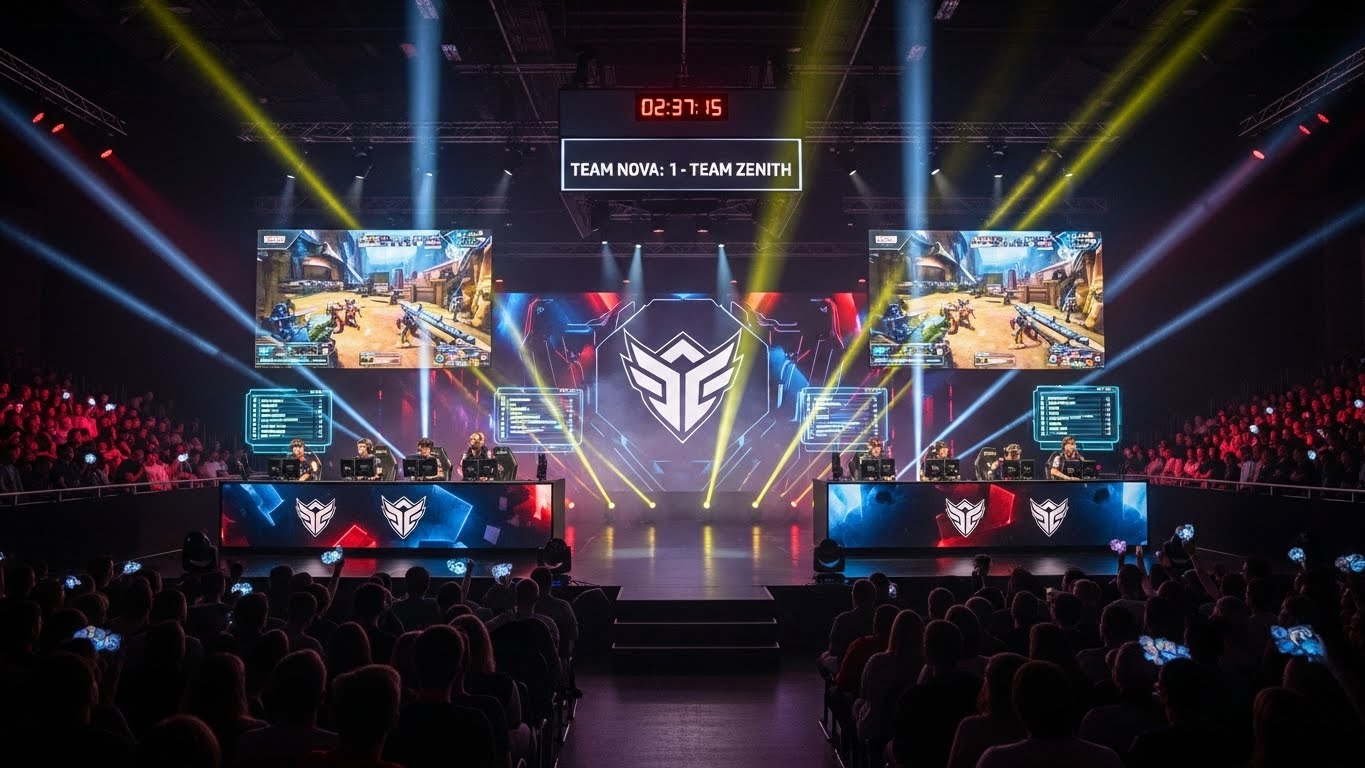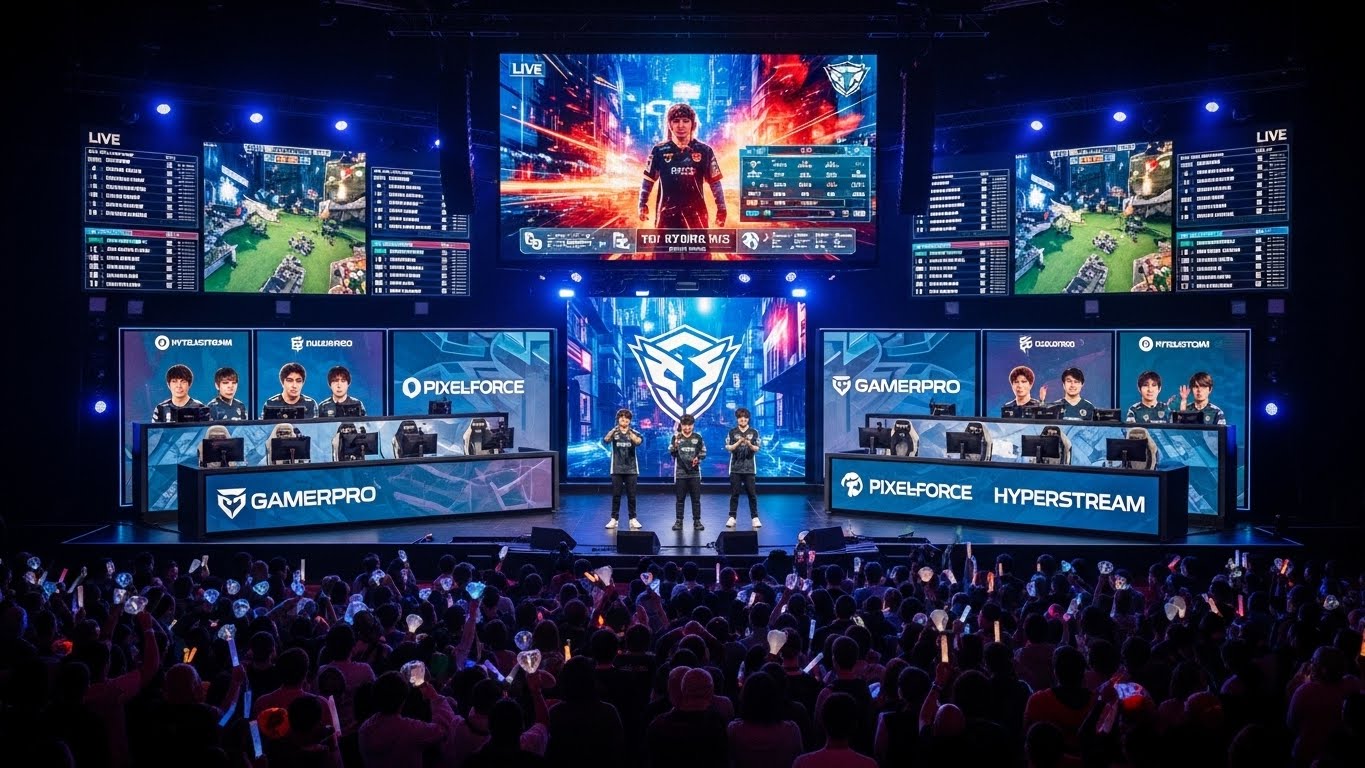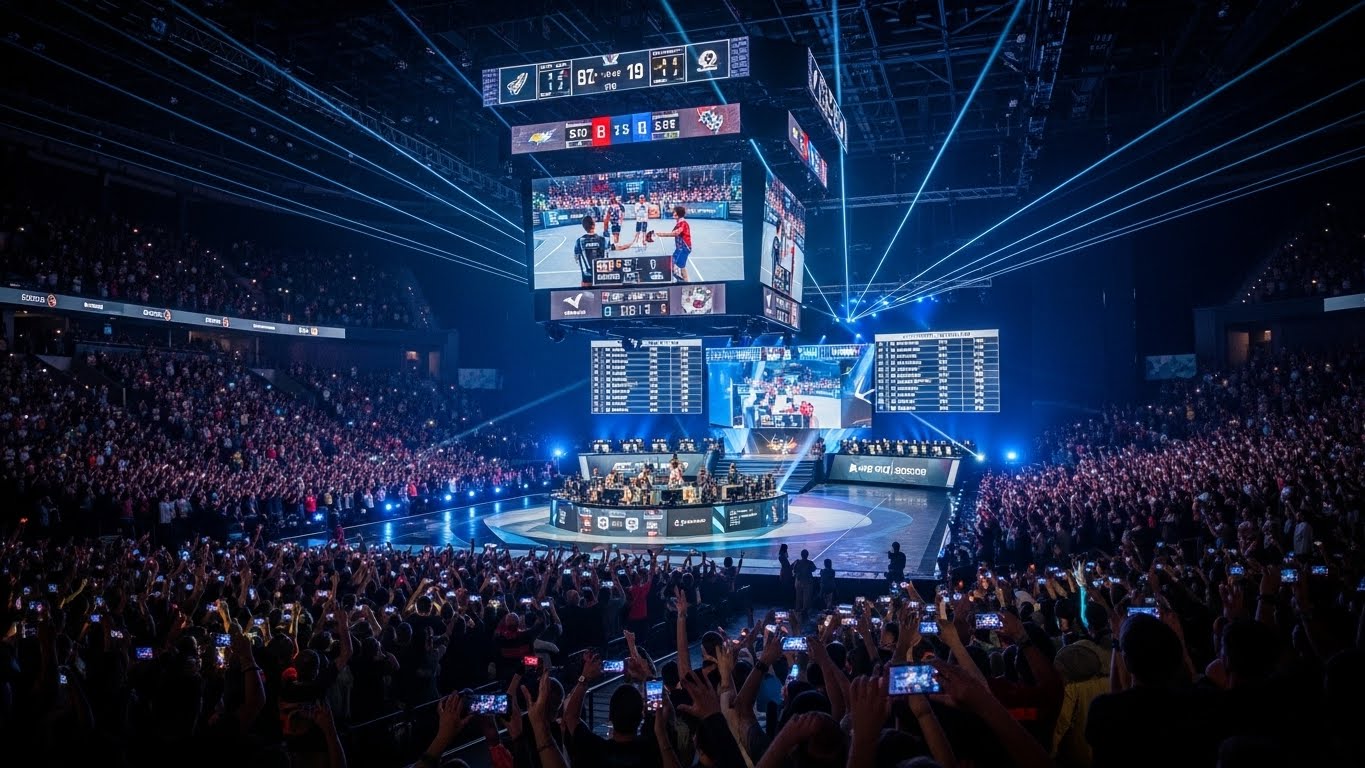
In a world where technology advances at a rapid pace, it’s no surprise that one of the most exciting and fast-growing phenomena is esports. Esports, or electronic sports, refers to competitive video gaming, often played in tournaments and watched by millions of fans around the world. What started as a niche hobby has exploded into a global industry, now worth billions and attracting mainstream attention. Esports has transformed not only how people view gaming but how it’s perceived as a legitimate sport, capable of bringing people together just like traditional athletics.
In this blog post, we’ll dive deep into the rise of esports, the factors contributing to its growth, its cultural impact, and the economic opportunities it’s creating for players, teams, and even entire industries.
The Origins of Esports: From Arcade Games to Professional Tournaments
To understand how esports became the colossal industry it is today, we need to look back at its origins. In the early days of gaming, video games were a form of entertainment that primarily took place in arcades. Pong, Space Invaders, and Pac-Man were among the first to capture public attention, and players would often compete for the highest scores. These early competitions laid the groundwork for what we now know as competitive gaming.
The first recognized esports competition occurred in 1972 when Stanford University hosted the Intergalactic Spacewar Olympics, where participants played Spacewar on mainframe computers. While this was a small event, it set the stage for future tournaments and demonstrated that competitive gaming could be taken seriously. Throughout the 1980s and early 1990s, competitions became more frequent, especially in games like Street Fighter II and Doom, with growing interest from players across the globe.
However, it wasn’t until the late 1990s and early 2000s that esports really began to take off. South Korea played a pivotal role in the rise of esports, particularly with the game StarCraft, which became an essential part of the gaming culture there. The government even supported esports, leading to the creation of professional leagues, cable television broadcasts, and large-scale tournaments. This helped establish esports as a legitimate sport, attracting sponsorships, broadcasting deals, and millions of fans.
Esports Today: A Multi-Billion Dollar Industry
Fast forward to the present day, and esports has evolved into a global powerhouse. The esports industry is now valued at over $1.5 billion, with projections showing continued growth. The number of viewers and participants has skyrocketed, and professional players are now household names, competing for multi-million-dollar prize pools in tournaments that are broadcast to millions of viewers around the world.
Major gaming titles like League of Legends, Counter-Strike: Global Offensive, Dota 2, Overwatch, and Fortnite are at the forefront of esports, each hosting annual competitions with prize pools that can reach into the tens of millions. In fact, The International, the annual Dota 2 tournament, is one of the largest esports events in terms of prize money, with the 2021 edition boasting a prize pool of over $40 million.
The global popularity of esports has also prompted significant investments from major brands and companies. Sponsors such as Intel, Coca-Cola, Red Bull, and Mercedes-Benz have all partnered with esports organizations, contributing to the financial growth of the industry. Major media outlets like ESPN, YouTube, and Twitch now regularly broadcast esports tournaments, offering global exposure and making competitive gaming accessible to anyone with an internet connection.
Why Esports Is So Popular: Accessibility, Entertainment, and Community
There are several reasons behind the rapid rise of esports. Unlike traditional sports, which often require access to expensive equipment or physical space, esports is easily accessible. All it takes is a gaming console, a computer, or a smartphone, and anyone can start playing or competing. This accessibility makes esports a global phenomenon, reaching people of all ages, genders, and socioeconomic backgrounds.
Additionally, the rise of streaming platforms like Twitch and YouTube has allowed esports to grow exponentially. These platforms give viewers the chance to watch live streams of their favorite games and tournaments, and they enable gamers to interact with their audiences in real-time. The personal connection between streamers and fans has created an online community where fans feel deeply invested in the players, teams, and outcomes of competitions. This sense of community and connection is a key factor in the continued success of esports.
The entertainment value of esports cannot be overstated. Much like traditional sports, esports features intense competition, skill, strategy, and unpredictable moments that keep viewers on the edge of their seats. Fans are drawn to the excitement of high-stakes matches, the personalities of professional players, and the thrill of seeing their favorite teams battle it out for victory.
Esports as a Career: Professional Players and Beyond
As esports continues to grow, it’s also becoming a viable career path for many young players. Professional esports players are not only highly skilled gamers but also content creators, streamers, and influencers. In fact, some players have turned their gaming talents into multi-million-dollar careers, attracting sponsorships, endorsements, and huge followings on social media.
Becoming a professional esports player requires years of practice, dedication, and strategic thinking. Players spend countless hours mastering the mechanics of their chosen games, refining their skills, and participating in online tournaments to climb the ranks. The competition is fierce, and only a small percentage of players make it to the top. However, those who do often receive lucrative contracts with esports organizations, including salaries, performance bonuses, and sponsorship deals.
Esports is not just about playing games; it’s also about creating content and building a personal brand. Streamers and influencers play a massive role in the industry, with top creators amassing millions of followers on platforms like Twitch and YouTube. These influencers generate revenue through advertisements, donations, and subscription fees from their fans, making streaming a viable full-time career for many.
In addition to players and streamers, the esports industry offers many other career opportunities. Coaches, analysts, event organizers, broadcasters, and marketing professionals all contribute to the success of the esports ecosystem. The growth of esports has led to the creation of an entirely new job market that continues to expand as the industry matures.
The Cultural Impact of Esports: Bringing People Together
Esports has had a profound impact on global culture, influencing everything from entertainment to social interaction. It has created a new form of spectator entertainment that appeals to a younger, tech-savvy audience. Esports is also changing how people perceive video games—once seen as a solitary activity, gaming has evolved into a social, team-oriented experience.
Furthermore, esports has proven to be a platform for inclusivity and diversity. In a world where traditional sports are often dominated by certain physical traits or abilities, esports levels the playing field. Players of all backgrounds, genders, and abilities can compete on equal footing, and this inclusivity has helped esports gain support from various underrepresented groups. Many esports organizations are actively working to encourage female participation and to eliminate toxicity in the gaming community, creating a safer and more welcoming environment for everyone.
Esports has also fostered a new sense of community and connection among fans. Online forums, social media, and fan events allow supporters to come together and share their passion for their favorite teams and players. Watching live tournaments with millions of viewers can create a sense of camaraderie that transcends geographical boundaries, uniting fans from all over the world.
The Future of Esports: Innovations and Growth
Looking ahead, the future of esports is filled with exciting possibilities. Virtual reality (VR) and augmented reality (AR) technologies are already beginning to make their way into competitive gaming, and they have the potential to revolutionize the way we experience esports. These technologies could create fully immersive environments for players and viewers, making esports even more engaging and interactive.
The integration of esports into mainstream culture will continue to grow, with more universities and colleges offering esports scholarships and establishing professional esports programs. Major sports leagues, like the NBA and NFL, have already dipped their toes into esports with games like NBA 2K and Madden NFL, and we can expect even more traditional sports organizations to invest in esports in the coming years.
Esports is also increasingly being recognized as a legitimate sport by major sporting bodies. As it gains more recognition, it’s possible that esports could one day be included in events like the Olympics, further cementing its place in the global sporting landscape.
Conclusion
Esports has undergone a remarkable transformation, evolving from a niche hobby to a multi-billion-dollar industry that captivates millions worldwide. Its accessibility, entertainment value, and inclusive nature have made it a global phenomenon, offering a new form of competition that attracts players, fans, and investors alike.
As esports continues to grow, it will reshape how we think about sports and gaming, creating new career opportunities, fostering communities, and connecting people across the globe. Whether you’re a professional player, an aspiring streamer, or simply a passionate fan, it’s clear that esports is not just a trend—it’s a digital revolution that’s here to stay.