Esports, or competitive gaming, has grown from a niche hobby into a massive global industry over the past two decades. What once began as casual tournaments and LAN (Local Area Network) parties has evolved into a professional sports ecosystem, with multimillion-dollar prize pools, sponsorships, and an ever-expanding fanbase. Today, esports is a cultural phenomenon, with millions of people tuning in to watch professional gamers compete on platforms like Twitch, YouTube, and in large-scale live events.
This blog post explores the rise of esports, examining how it grew from a grassroots movement to a multi-billion-dollar industry, and its impact on both the gaming community and mainstream culture.
1. The Birth and Growth of Esports
The roots of esports can be traced back to the early days of video gaming. Competitive gaming has existed almost as long as the games themselves. One of the earliest examples of an esports event took place in 1972 with the “Intergalactic Spacewar Olympics,” which was organized by Stanford University. While it was a modest competition by today’s standards, it laid the groundwork for what would become a booming industry.
The Early Years: From LAN Parties to Online Competitions
During the 1990s, as the internet became more accessible, the concept of online multiplayer gaming grew. Games like “Quake,” “StarCraft,” and “Warcraft” saw the emergence of competitive players and small tournaments. These early competitions were often small in scale, but the passion and energy surrounding them began to gather momentum.
The year 1997 marked the launch of the first professional esports tournament, the “Red Annihilation” tournament, which was a competition for “Quake.” It attracted attention for its grand prize: a Ferrari. This tournament demonstrated the potential of competitive gaming to offer both fame and fortune.
By the early 2000s, competitive gaming moved into larger-scale tournaments, and organizations such as Major League Gaming (MLG) began to form. The development of high-speed internet and the rise of online gaming platforms like Xbox Live and Battle.net allowed gamers from across the globe to compete against one another, solidifying the foundation for modern esports.
2. The Rise of Major Esports Titles
As the esports scene continued to evolve, certain games began to emerge as dominant forces in the competitive gaming world. These games not only offered deep strategic gameplay but also developed dedicated communities of players and fans.
Multiplayer Online Battle Arenas (MOBAs) and First-Person Shooters (FPS)
Two major genres that propelled esports into the mainstream were Multiplayer Online Battle Arenas (MOBAs) and First-Person Shooters (FPS). Games like “League of Legends” and “Dota 2” helped establish the MOBA genre as one of the most popular competitive gaming formats. These games are team-based, with players controlling unique heroes or champions, each with their own abilities. The objective is usually to destroy the opposing team’s base while managing complex strategies and in-game economies.
Meanwhile, FPS games like “Counter-Strike,” “Overwatch,” and “Call of Duty” have remained staples in the esports world. These games involve skill-based shooting mechanics, teamwork, and tactical coordination.
One of the most defining moments in the evolution of esports was the launch of the “League of Legends” World Championship in 2011. With a prize pool of $100,000, it was a landmark event for the gaming industry. Since then, the “League of Legends” World Championship has grown into one of the largest and most-watched esports events globally, boasting millions of viewers and massive sponsorships.
Another major game that helped cement esports as a global industry was “Dota 2.” The game’s International Championship, “The International,” launched in 2011, quickly became the benchmark for esports tournaments. With prize pools growing to over $40 million in recent years, “The International” has set new standards for competitive gaming events, drawing top-tier talent and global attention.
3. Esports as a Professional Career Path
With the growth of esports events, streaming platforms, and sponsorship opportunities, gaming has evolved into a viable professional career for many. In the past, gaming was seen as a hobby at best, but now it is a legitimate career path for thousands of players worldwide.
The Emergence of Esports Organizations
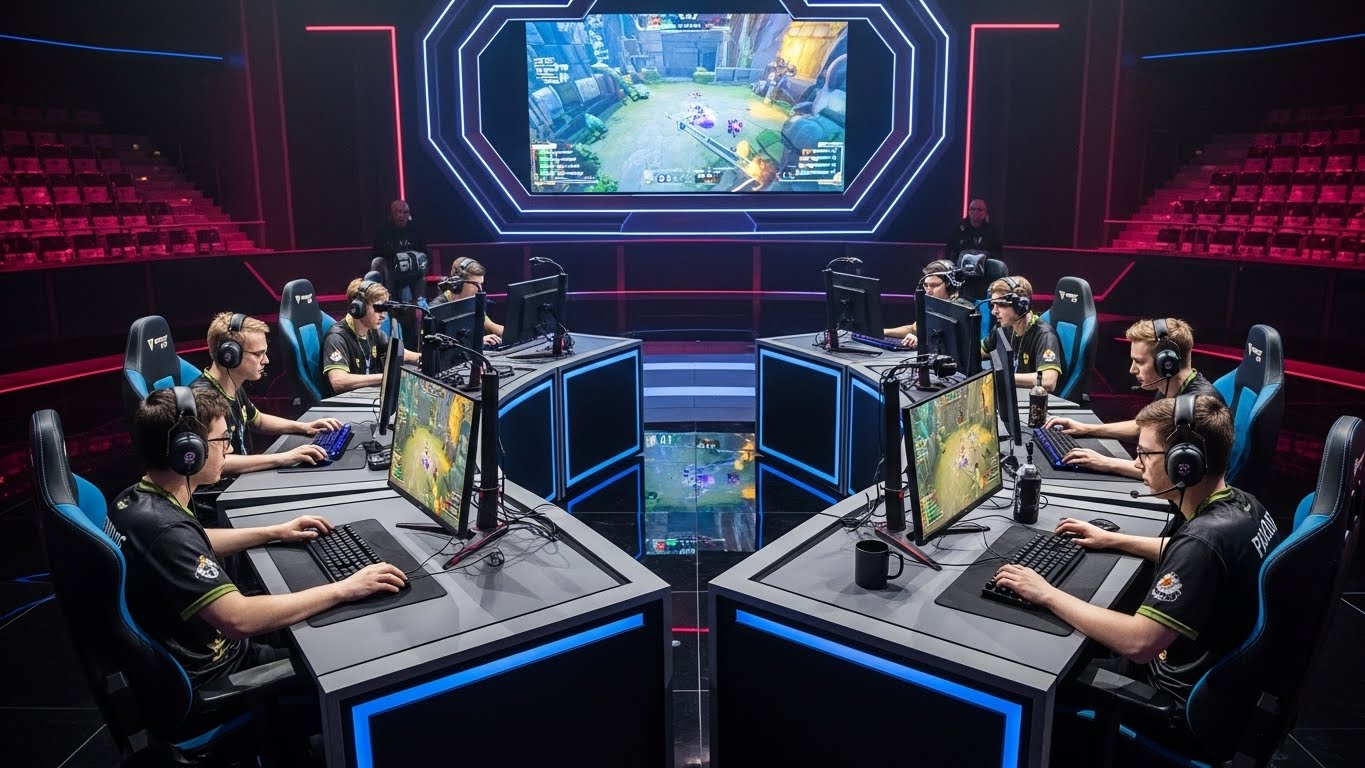
Esports teams and organizations have begun to resemble traditional sports franchises, with well-funded operations, managers, coaches, analysts, and even psychologists to help players maximize their performance. Top-tier esports organizations like Team Liquid, Cloud9, FaZe Clan, and G2 Esports have amassed loyal fanbases and compete in multiple titles across different genres.
These organizations not only invest in player development but also manage sponsorships, marketing, and merchandise, similar to how traditional sports teams operate. The structure and professionalism of esports organizations have attracted investors, including venture capitalists and even celebrities, who see the potential for high returns on investment in this growing industry.
Streaming Platforms and Player Income
One of the most revolutionary aspects of esports is the role of streaming platforms like Twitch and YouTube Gaming. Players can broadcast their gameplay to millions of viewers around the world, building their own personal brands and earning income from advertisements, donations, and sponsorships. Top streamers can earn millions annually, either by competing in tournaments or through sponsorships with major brands like Red Bull, Monster Energy, and Nike.
These platforms have also allowed for a new form of fan interaction, where viewers can interact with players live during broadcasts, participate in chat rooms, and contribute to the growth of esports communities. The symbiotic relationship between esports players and fans has made gaming culture more vibrant and accessible to the masses.
4. The Global Esports Ecosystem
Esports is no longer a localized phenomenon; it has gone global. Large tournaments are broadcast across the world in multiple languages, and players from different countries compete on equal footing. Esports tournaments, such as the “League of Legends” World Championship or “The International,” attract fans from all corners of the globe.
Global Esports Events and Their Impact
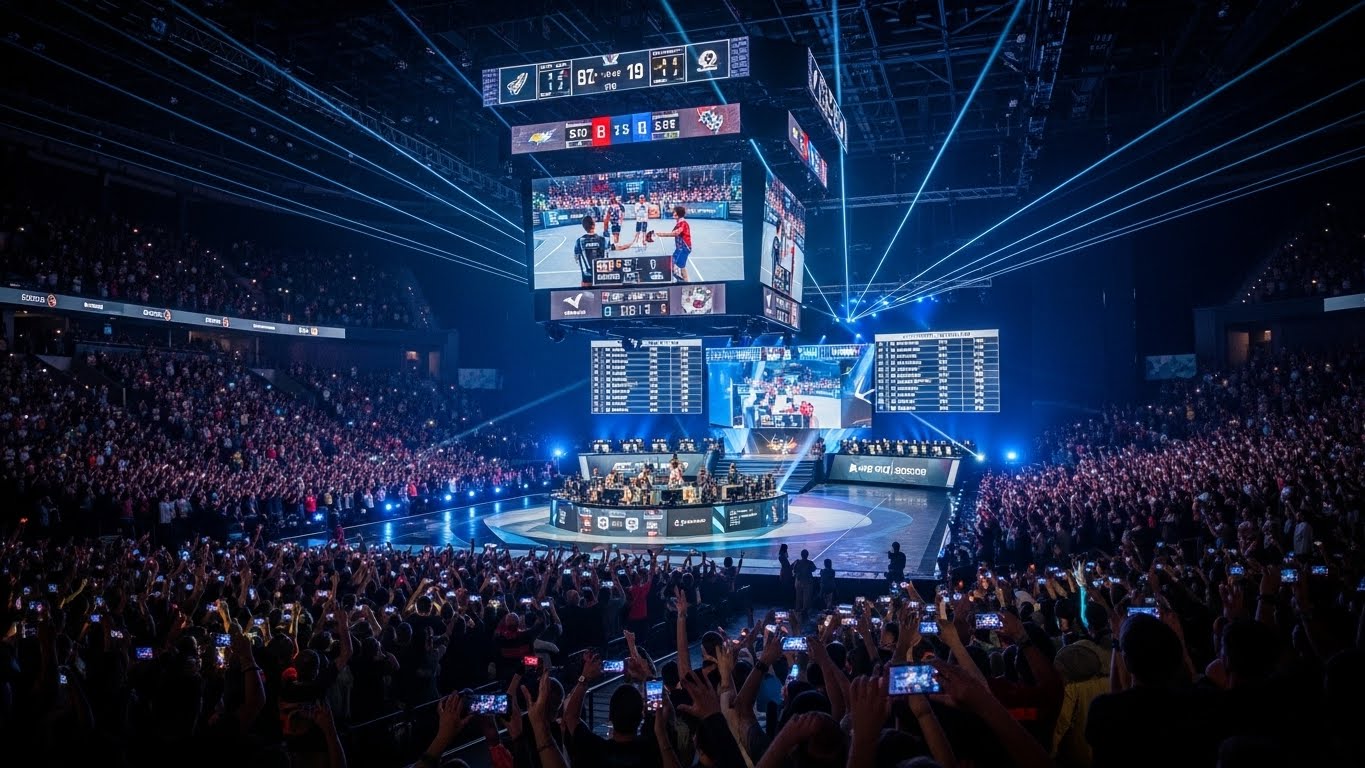
Major esports events now fill arenas with thousands of fans and have even been held in massive venues like the Staples Center in Los Angeles and the Mercedes-Benz Arena in Berlin. The global appeal of esports is evident, with regions such as North America, South Korea, China, and Europe being some of the largest hubs for professional gaming.
What’s more, esports has been recognized by governments and international organizations. The Asian Games, for example, featured esports as a medal event for the first time in 2018, signaling the growing legitimacy of gaming as a competitive sport.
In some countries, esports athletes have even been granted the same status and benefits as professional athletes in traditional sports, such as athlete visas, sponsorship deals, and career opportunities outside of gaming.
Fan Engagement and the Role of Social Media
The rise of esports has been closely tied to the proliferation of social media platforms like Twitter, Instagram, and Discord. These platforms allow fans to follow their favorite players and teams, engage in conversations, and stay up-to-date with the latest news and events. Social media has not only fueled fan engagement but also helped esports grow in popularity by exposing it to new audiences.
Additionally, social media platforms like TikTok and YouTube have allowed content creators to produce entertaining videos, interviews, highlights, and commentary on esports, furthering its reach and popularity.
5. The Challenges Facing the Esports Industry
Despite its rapid growth, the esports industry faces several challenges that could impact its future trajectory. One of the key issues is player burnout. Esports players often dedicate long hours to practice, strategy, and competition, which can lead to physical and mental exhaustion. Teams and organizations are beginning to address this by incorporating coaches, psychologists, and rest periods into player development.
Another challenge is the issue of regulation and governance. While traditional sports have established governing bodies, esports is still largely unregulated. This lack of structure can lead to inconsistencies in tournament formats, prize distribution, and player treatment.
Moreover, the accessibility of esports as a career path raises concerns about its sustainability. While some players and organizations are thriving, the majority of aspiring esports players face intense competition and low odds of success. Ensuring that the ecosystem supports long-term growth for both players and fans will be essential.
6. The Future of Esports: What’s Next?
The future of esports is bright, with continued technological advancements and growing global interest. As virtual reality (VR) and augmented reality (AR) technologies mature, esports could move beyond traditional gaming setups and into more immersive experiences. Imagine players competing in full 3D environments, interacting with each other and their surroundings in ways that are currently impossible.
Additionally, mobile gaming continues to gain traction, especially in regions like Southeast Asia and India. Mobile esports tournaments are growing in popularity, and games like “PUBG Mobile” and “Mobile Legends” are seeing significant competitive scenes develop, bringing esports to a broader audience.
Esports may also become even more integrated with traditional sports. Collaborations between gaming leagues and traditional sports teams, as well as the potential for esports to become a staple of major sporting events, will likely expand in the coming years.
As esports continues to grow, its influence on youth culture, entertainment, and sportsmanship will only become more profound, further establishing it as a legitimate, professional, and popular form of competition.
Conclusion: Esports – A New Era in Entertainment and Competition
The esports industry has undeniably reshaped the landscape of entertainment, sports, and culture. What began as a niche hobby has now blossomed into a multi-billion-dollar industry with a global fanbase, professional athletes, and major sponsorships. As technology continues to evolve, so too will esports, pushing the boundaries of what is possible in gaming.
For fans, players, and organizations alike, esports represents a new era of competition and entertainment. It’s a world where skill, strategy, and passion converge, and where the future of competitive gaming looks brighter than ever before.