Introduction: The Digital Arena of Modern Competition
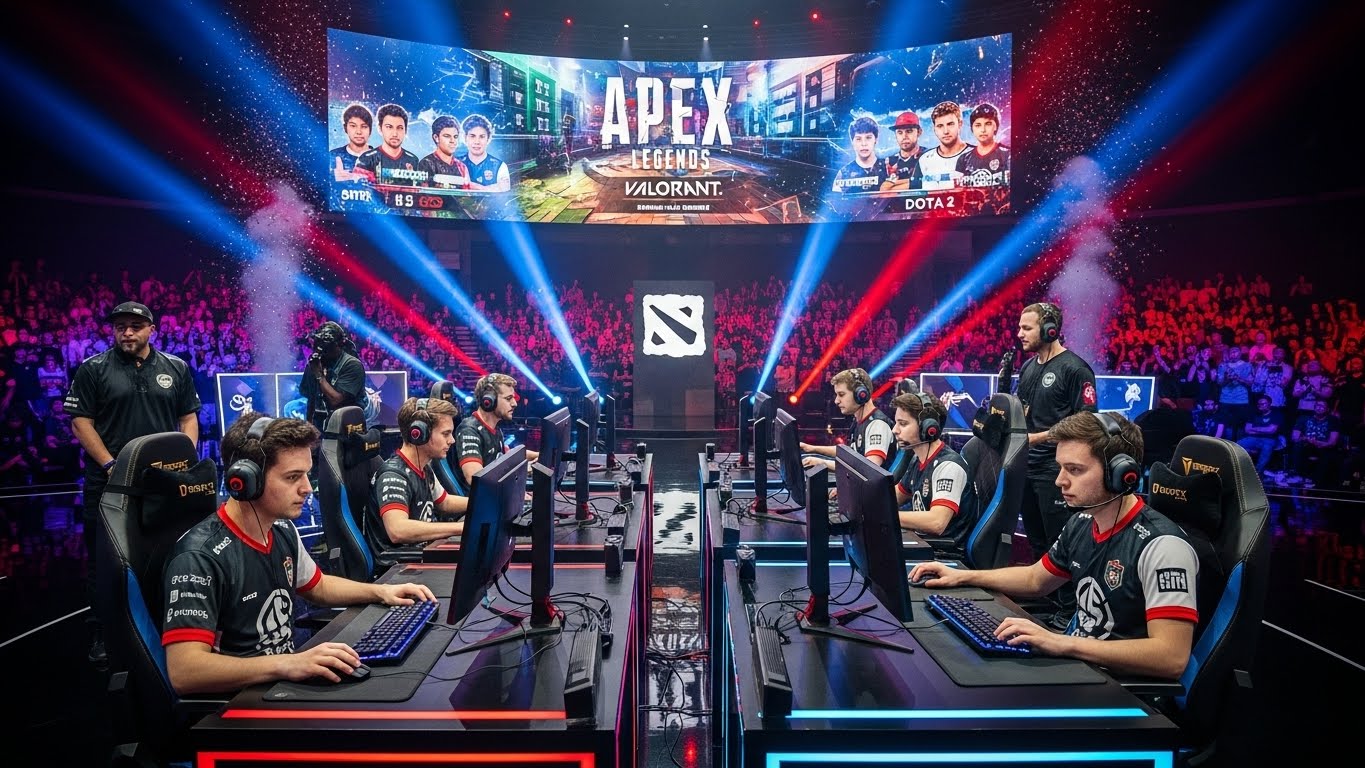
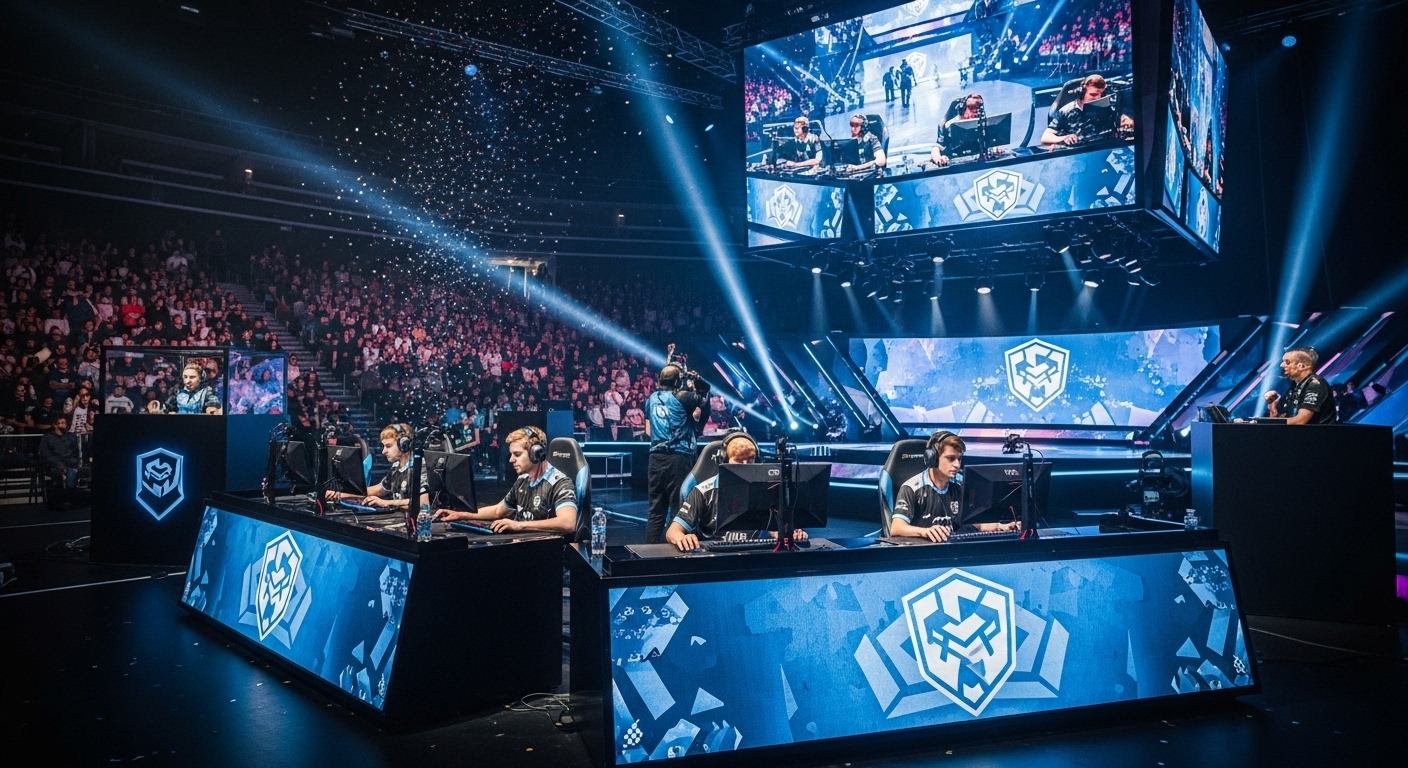
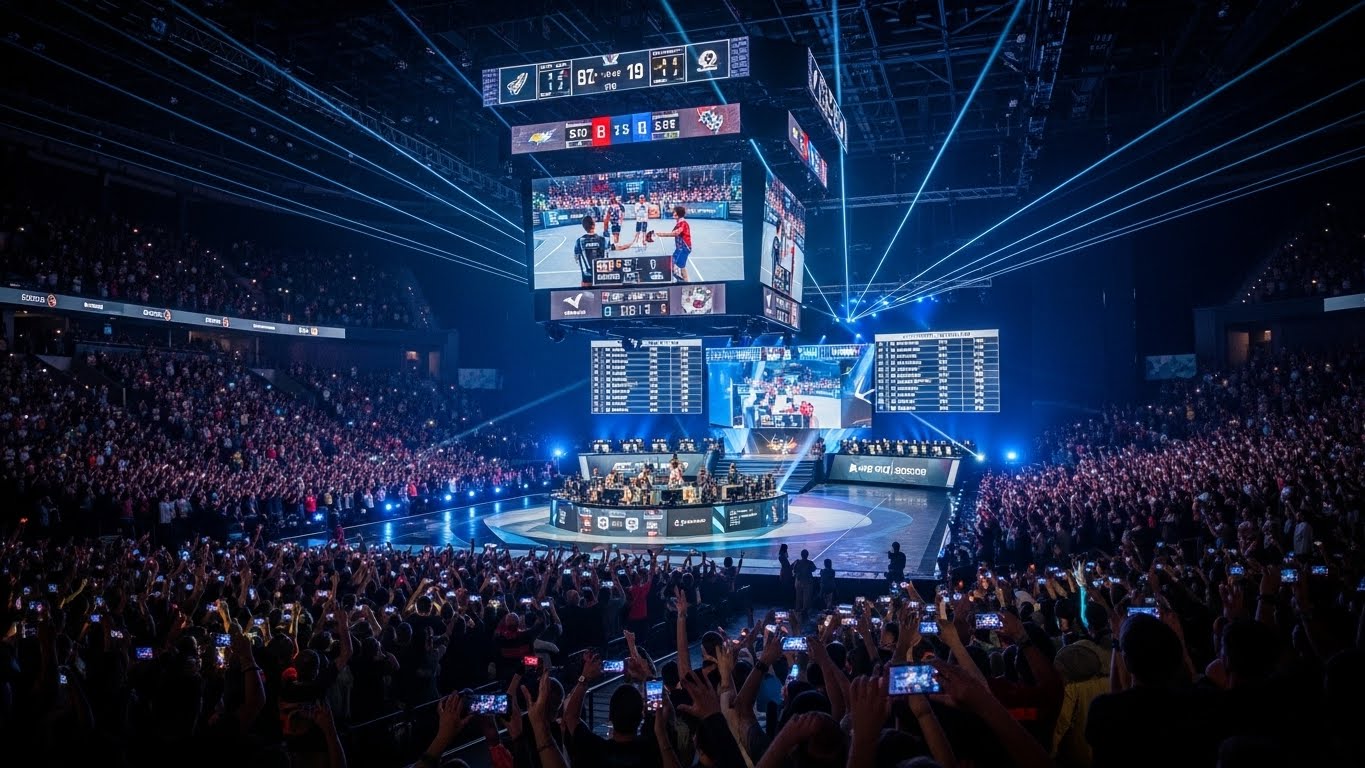
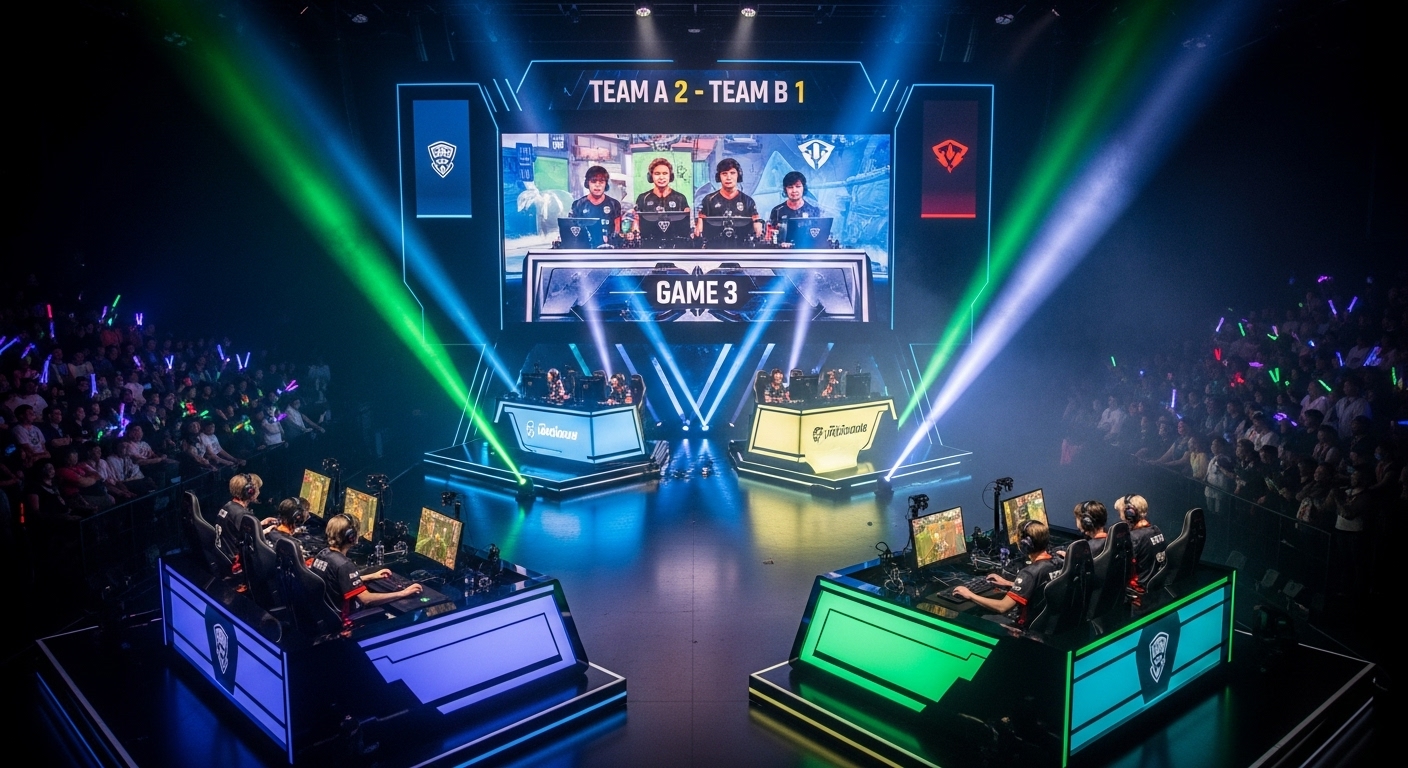
In the past few decades, the world has witnessed a technological revolution that has transformed the way people work, communicate, and entertain themselves. Among the many industries reshaped by this revolution, none have risen as rapidly and remarkably as esports. Once dismissed as a niche hobby, competitive video gaming has evolved into a global phenomenon, attracting millions of viewers, generating billions in revenue, and creating opportunities for players, sponsors, and fans across the globe.
Esports—short for “electronic sports”—refers to organized, competitive video gaming where players or teams face off against one another in professional tournaments. What was once limited to living rooms and internet cafes has now become a mainstream spectacle, complete with professional leagues, celebrity gamers, and massive audiences rivaling traditional sports events.
This blog explores the origins, growth, culture, and future of esports, highlighting how it has reshaped entertainment, technology, and even education around the world.
The Origins of Esports: From Arcade Battles to Online Championships
The story of esports begins in the early 1970s, long before the rise of streaming platforms or high-speed internet. The first recognized competitive gaming event took place in 1972 at Stanford University, where students competed in the game Spacewar. The winner received a subscription to Rolling Stone magazine—a humble prize compared to today’s million-dollar tournaments.
By the 1980s, arcades had become cultural hubs, where gamers would compete for the highest scores in classics like Pac-Man, Donkey Kong, and Space Invaders. High score lists and local bragging rights defined the early competitive scene. The 1990s marked a turning point with the rise of home consoles and PC gaming. Titles like Street Fighter II and Doom introduced multiplayer competition to a broader audience, while the first LAN (Local Area Network) tournaments laid the groundwork for modern esports.
The true revolution came with the advent of online gaming. Internet connectivity allowed players from different regions to compete against each other in real-time. Games like StarCraft, Counter-Strike, and Quake birthed the first generation of professional gamers. South Korea, in particular, became a global hub for esports, with televised matches and professional leagues setting a new standard for organized competition.
The 2000s: The Dawn of Global Esports
The early 2000s marked the official rise of esports as a professional industry. Major tournaments such as the World Cyber Games, Major League Gaming (MLG), and the Electronic Sports World Cup began to emerge. These events attracted international attention and substantial sponsorships, signaling that esports was no longer just a pastime—it was a profession.
In South Korea, the StarCraft scene became a national obsession. Players like Lim “BoxeR” Yo-hwan achieved celebrity status, filling stadiums with thousands of cheering fans. Television networks began broadcasting matches, and companies sponsored teams much like traditional sports clubs. The government even recognized esports as an official sporting activity.
At the same time, Western countries began to catch up. Games like Counter-Strike, Warcraft III, and Halo built strong communities in North America and Europe. Esports teams such as Fnatic, Complexity, and Ninjas in Pyjamas laid the foundation for global organizations that still dominate today.
The Explosion of Streaming and the Modern Era of Esports
The 2010s saw an unprecedented explosion in esports popularity, largely due to the rise of online streaming platforms such as Twitch and YouTube Gaming. These platforms gave fans instant access to live matches, commentary, and behind-the-scenes content. Viewers could interact with players in real-time, building strong communities around their favorite teams and games.
Games like League of Legends, Dota 2, and Counter-Strike: Global Offensive led the charge, each boasting massive competitive ecosystems. Riot Games’ League of Legends World Championship became a landmark event, drawing millions of viewers worldwide. In 2013, the Dota 2 International set new records with its multi-million-dollar prize pool, crowdfunded by the game’s community through in-game purchases.
The introduction of live streaming turned esports into both a spectator and participatory experience. Fans could not only watch matches but also broadcast their own gameplay, creating a feedback loop of engagement and growth. Streamers became influencers, and the line between casual gaming and professional competition began to blur.
Esports as a Legitimate Career Path
Today, professional gaming is no longer a pipe dream—it’s a legitimate career. Top players can earn salaries, sponsorships, streaming revenue, and tournament winnings that rival those of traditional athletes. Esports organizations now operate much like sports franchises, with coaching staff, analysts, nutritionists, and training facilities dedicated to maximizing player performance.
Moreover, the esports industry has created countless jobs beyond the players themselves. Commentators, event organizers, social media managers, game developers, content creators, and journalists all play essential roles in the ecosystem. Universities around the world have begun offering scholarships for esports athletes, while some high schools now feature esports programs as part of their extracurricular activities.
The professionalization of esports has also led to increased attention to mental health, burnout prevention, and career longevity. As the competition becomes fiercer, the need for structure and support continues to grow.
The Cultural Impact of Esports
Esports has not only reshaped the entertainment industry—it has influenced global culture in profound ways. Gaming communities transcend borders, bringing together people of different languages, backgrounds, and beliefs through a shared passion. In an era where digital connection often replaces physical proximity, esports provides a sense of belonging and identity.
For many young people, esports represents empowerment. It challenges traditional notions of athleticism and success. Anyone with skill, dedication, and access to the internet can rise through the ranks. The stories of underdog teams and breakout players have inspired millions, echoing the same emotional beats as traditional sports legends.
Furthermore, esports has become a form of storytelling. Each match tells a narrative of strategy, teamwork, and human resilience. Moments like “Faker’s outplay,” “OG’s comeback,” or “Team Liquid’s run” have entered gaming folklore, celebrated and analyzed with the same enthusiasm as a World Cup goal or an NBA buzzer-beater.
Esports and Traditional Sports: A New Rivalry and Partnership
At first glance, traditional sports and esports might seem worlds apart—one physical, the other digital. However, as the esports industry has matured, the two have increasingly intersected and collaborated.
Major sports organizations have invested heavily in esports. Teams from the NBA, NFL, and European football leagues have launched their own esports divisions, recognizing the potential to reach younger, tech-savvy audiences. The FIFA eWorld Cup and NBA 2K League blend the worlds of virtual and physical sports, offering fans new ways to engage with their favorite franchises.
Traditional athletes have also entered the esports scene, either as investors or competitors. Figures like Michael Jordan, David Beckham, and Shaquille O’Neal have invested in esports organizations, lending credibility and mainstream appeal to the industry.
This convergence has also sparked debates about what defines a “sport.” While esports lacks the physical exertion of traditional athletics, it demands incredible reflexes, mental stamina, and teamwork. The International Olympic Committee has even acknowledged esports as a potential addition to future Olympic events, signaling a growing acceptance of digital competition on the global stage.
The Business of Esports: From Passion to Profit
Behind the flashing lights and roaring crowds lies a massive business engine. The global esports market has grown into a multibillion-dollar industry, fueled by sponsorships, advertising, ticket sales, merchandise, and media rights. Major brands—from technology giants to beverage companies—have embraced esports as a marketing frontier.
Sponsorship remains the backbone of esports revenue, as brands seek to connect with the coveted demographic of young, digitally engaged consumers. Streaming platforms generate ad revenue from millions of concurrent viewers, while publishers like Riot Games and Valve host flagship tournaments that serve as both marketing tools and community celebrations.
Franchise models have also emerged, particularly in games like Overwatch and Call of Duty, where teams buy into structured leagues similar to the NFL or NBA. This system offers stability and long-term growth potential for both players and investors.
However, the business side of esports is not without challenges. The industry’s rapid growth has led to sustainability questions regarding player salaries, tournament formats, and the balance between developer control and team independence. Still, the momentum remains strong, with new partnerships and investments announced every year.
Technology and Innovation in Esports
Technology is the backbone of esports. Advances in hardware, software, and connectivity have continually redefined what’s possible in competitive gaming. High-refresh-rate monitors, low-latency networks, and cutting-edge peripherals allow players to perform at their best. Meanwhile, game developers constantly refine balance and mechanics to maintain fairness and excitement.
Virtual Reality (VR) and Augmented Reality (AR) are pushing esports into new dimensions, creating immersive experiences for both players and fans. Spectators can view matches from multiple angles, step inside virtual arenas, or even compete in hybrid physical-digital tournaments.
Artificial Intelligence (AI) is another frontier. AI-driven analytics help teams analyze opponents, predict strategies, and improve performance. For viewers, AI enhances broadcast production, offering dynamic camera angles, real-time statistics, and personalized viewing experiences.
Cloud gaming and 5G technology promise to make esports more accessible than ever. Players will be able to compete from virtually anywhere, reducing barriers of entry and leveling the playing field for those without high-end equipment.
Esports Education and the Next Generation
Esports has also found a home in education. Schools and universities around the world now recognize competitive gaming as a legitimate discipline that combines teamwork, communication, and critical thinking. Institutions offer scholarships for talented players and degree programs focused on esports management, marketing, and game design.
High school leagues teach students not just how to play but how to build communities, lead teams, and pursue careers in the growing gaming industry. These programs help reshape the perception of gaming from a distraction into a constructive, career-oriented pursuit.
Moreover, esports promotes inclusivity. It creates opportunities for individuals who may not fit into traditional sports frameworks but still possess a competitive spirit. It encourages diversity and provides a platform for creativity and innovation.
Challenges and Controversies in Esports
Despite its success, esports faces several challenges that could shape its future. One of the most pressing issues is player burnout. The intense training schedules, constant travel, and mental pressure of competition can take a toll on even the most dedicated professionals. Some players retire in their early twenties due to exhaustion or stress.
Another concern is fairness and regulation. Because esports spans multiple games and regions, there is no universal governing body to enforce consistent rules. Issues like cheating, match-fixing, and doping (through stimulants) have occasionally tarnished the industry’s reputation.
Toxicity in gaming communities also remains a significant problem. Developers and organizers continue to seek ways to foster healthier, more inclusive environments for players and fans alike. Additionally, questions about diversity and gender representation persist, as female and non-binary players often face barriers to entry and recognition.
Finally, the commercial dependence on game publishers raises questions about control. Since each esport exists within a privately owned game, developers wield immense power over tournament structure, rules, and revenue distribution.
The Future of Esports: Where Do We Go From Here?
The future of esports looks brighter than ever. With constant innovation, global reach, and cultural relevance, competitive gaming is poised to become a defining entertainment medium of the 21st century. Industry forecasts predict continued growth in audience size, sponsorship deals, and cross-media collaborations.
As technology evolves, the line between virtual and physical competition will continue to blur. We may see more mixed-reality tournaments, AI-powered coaching systems, and global leagues spanning continents. Esports could even play a role in education reform, digital diplomacy, and youth engagement.
The industry’s next challenge is sustainability—ensuring that growth benefits players, fans, and creators alike. Ethical business practices, player welfare programs, and community development will define the next phase of esports evolution.
Conclusion: The Game That Changed the World
Esports represents far more than a new form of entertainment—it is a cultural revolution. It embodies the spirit of modern technology, creativity, and human connection. What began as a few friends playing in a basement has become a global stage where millions gather to celebrate skill, passion, and perseverance.
In an age where digital interaction defines much of our daily lives, esports stands as a symbol of what people can achieve together through competition, innovation, and imagination. It is not just the future of gaming—it is the future of global entertainment.