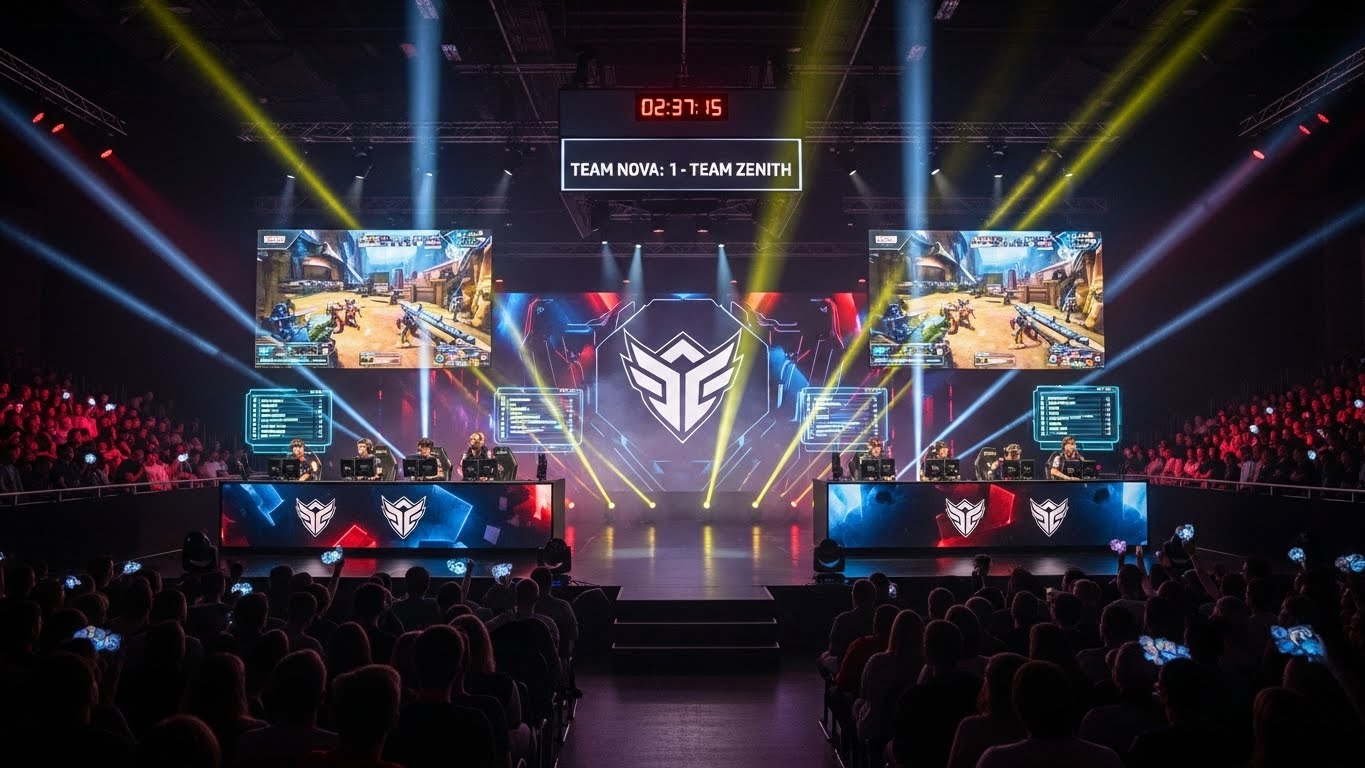
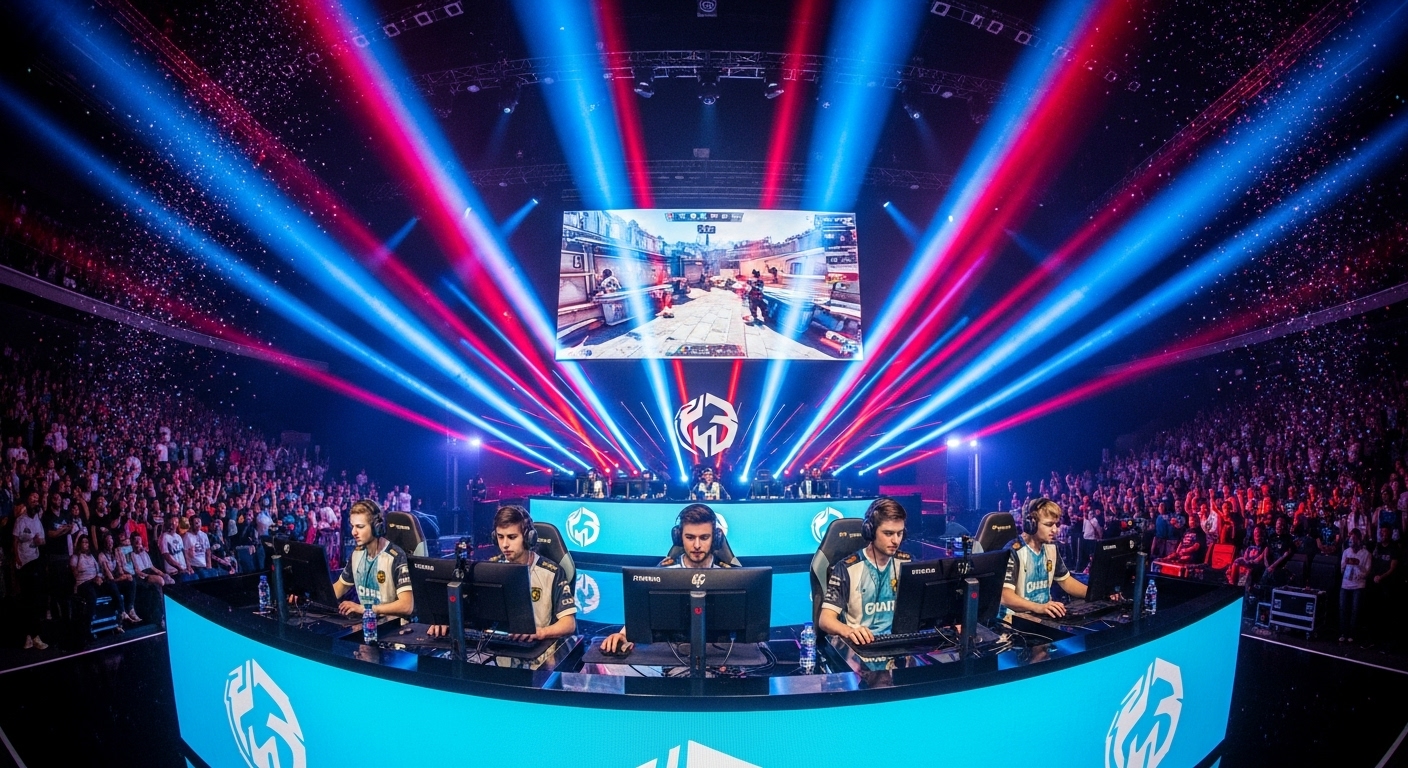
The world of competitive gaming has transformed in a way few could have predicted. From humble beginnings in basements and local arcades, eSports has grown into a massive, global industry that attracts millions of viewers, massive sponsorships, and competitive teams with dedicated players. As eSports continues to expand, it is redefining what it means to be an athlete and how we engage with entertainment. In this post, we’ll explore the rise of eSports, its global appeal, the opportunities it creates, and what the future holds for this exciting digital frontier.
The Birth of eSports: Competitive Gaming Goes Global
Though the idea of competitive gaming dates back to the early 1970s, the modern eSports scene began to take shape in the late 1990s and early 2000s. As the internet allowed people from all over the world to connect, multiplayer games like StarCraft and Quake laid the foundation for competitive online play. These games were pivotal in bringing gamers together and sparking the creation of online tournaments and leagues.
By the mid-2000s, organized competitions like the World Cyber Games and ESL (Electronic Sports League) began attracting larger audiences, and with it came sponsorships, broadcasting, and prize money. What was once a niche community quickly grew into a thriving industry, gaining significant traction thanks to the rise of streaming platforms such as Twitch. These platforms allowed fans to watch tournaments live, and the world of eSports was born.
The Global Appeal of eSports
What makes eSports stand out from traditional sports is its global accessibility. Unlike physical sports, where participants are often bound by geography, eSports transcends borders. Players and teams from all corners of the world compete in virtual arenas, with international tournaments being streamed to millions of fans. This worldwide connection has created a digital community where players, fans, and sponsors interact in real time, engaging in the action like never before.
In countries like South Korea, eSports is a mainstream cultural phenomenon, with televised matches, dedicated arenas, and national hero-status players. Meanwhile, North America and Europe have also embraced the digital sport, and games like League of Legends, Counter-Strike: Global Offensive, and Dota 2 attract global audiences numbering in the millions. The ability to watch top-tier players battle in real time, regardless of location, has transformed how people experience competition.
The Economic Boom of eSports
From prize pools to sponsorships, eSports has become a lucrative industry in its own right. As the popularity of eSports tournaments has grown, so has the financial backing behind them. Major corporations, including tech companies like Intel, hardware brands like Nvidia, and beverage giants such as Coca-Cola, have poured significant investments into eSports, recognizing its enormous potential to connect with a young, engaged audience.
Tournaments like The International (for Dota 2) and League of Legends Worlds regularly feature prize pools in the tens of millions of dollars. These competitions offer life-changing amounts of money for professional gamers who can make it to the top. In addition to tournament earnings, many players supplement their income through streaming, brand endorsements, and sponsorships.
Beyond individual players, eSports organizations have also seen significant financial success. Top teams, including Cloud9, Team Liquid, and FaZe Clan, operate like traditional sports franchises, employing coaches, analysts, and marketing teams. They sign lucrative sponsorships and merchandise deals, allowing them to grow as global brands.
The Professionalization of eSports
As eSports has become more professional, it’s mirrored the structure of traditional sports in many ways. Top eSports players train rigorously, often practicing upwards of 8-10 hours a day, sharpening their reflexes, strategies, and teamwork. Much like traditional athletes, they have coaches, analysts, and nutritionists to help them improve. The difference, however, is that the competition takes place in virtual spaces, using digital tools to achieve excellence.
Professional eSports leagues now exist for a wide range of games, and these leagues are broadcast to millions around the world. For instance, the Overwatch League and the Call of Duty League follow a similar model to traditional sports leagues, with regular seasons, playoffs, and a championship. The sheer dedication, skill, and strategic thinking required to succeed in these leagues has elevated players to the status of superstars, with fanbases that rival those of professional athletes in physical sports.
The Role of Streaming in eSports Growth
A key factor in the explosive growth of eSports has been the rise of live streaming platforms. Twitch, YouTube Gaming, and Facebook Gaming have become central to the eSports ecosystem, allowing fans to watch their favorite players compete in real time. These platforms have enabled eSports to thrive in a way that traditional sports could not have imagined in the digital age.
Streaming not only allows fans to watch tournaments and matches but also offers direct interaction with the players themselves. Fans can engage with players via live chats, interact with fellow viewers, and even donate to their favorite streamers. This interactivity creates a sense of community that brings fans closer to the action. For players, streaming has become a major source of income, with top streamers earning significant money from subscriptions, ads, and donations.
eSports and the Youth Culture
One of the driving forces behind eSports’ rise is its massive appeal to younger audiences. Gaming, once viewed as a pastime for the younger generation, has now been embraced as a legitimate sport, thanks to the widespread acceptance of digital culture. Young people identify with the players, games, and teams, creating a community where eSports isn’t just something to watch—it’s something to be a part of.
This has led to a cultural shift, where digital competition is as celebrated as traditional sports. Universities are offering eSports scholarships, and major sports organizations are investing in eSports teams. As a result, eSports is becoming a viable career path, not only for players but for coaches, analysts, and content creators as well.
Challenges in eSports: Diversity and Mental Health
Despite its rapid success, eSports is not without challenges. The industry has struggled with diversity, with women and minorities often underrepresented in professional gaming. However, initiatives to create more inclusive spaces, such as all-female tournaments and increased efforts from organizations to recruit diverse players, are slowly beginning to change the landscape.
Mental health is another issue that has been brought into the spotlight. The intense pressure on players to constantly perform at the highest level can lead to stress, burnout, and mental fatigue. Many eSports organizations are now recognizing the importance of player welfare and are incorporating mental health support, counseling, and breaks into their training routines.
What’s Next for eSports?
Looking to the future, the possibilities for eSports are vast. Technologies like virtual reality (VR) and augmented reality (AR) are already beginning to change the way we experience games. As these technologies improve, we could see a new wave of immersive eSports competitions that involve more than just screen-based interaction.
Additionally, the growth of mobile gaming has opened up even more avenues for competitive play. Mobile-based eSports titles like PUBG Mobile and Clash Royale have begun to attract competitive players, and the potential for mobile eSports is limitless.
As eSports continues to thrive, the integration of traditional sports and digital competition will likely grow stronger. We could see more hybrid events where gamers and traditional athletes come together, bridging the gap between the two worlds and creating new, innovative experiences for fans.
Conclusion: eSports as the Future of Entertainment
eSports has proven that it is more than just a passing trend; it’s a cultural movement that is reshaping the way we view competition, entertainment, and even what it means to be an athlete. As the industry continues to expand, both in terms of revenue and fan engagement, it’s clear that eSports is here to stay. Whether you’re a player, a fan, or just a curious observer, one thing is certain—the digital revolution of competitive gaming has only just begun.