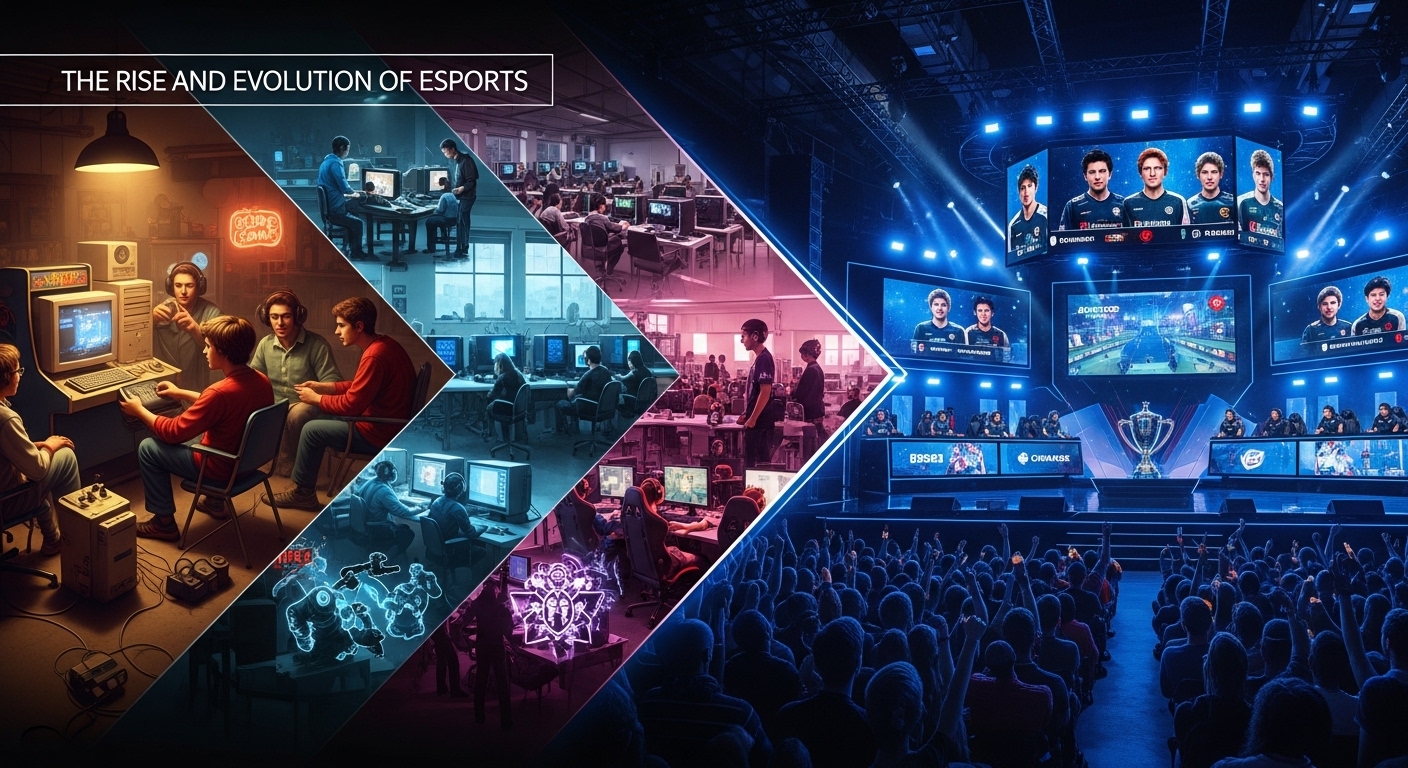
In the last decade, esports has transformed from a niche hobby into a global entertainment powerhouse. What was once confined to basement tournaments and online multiplayer games has now become a multi-billion-dollar industry with millions of fans, professional players, and global tournaments. From the casual gamer to the dedicated esports fan, everyone is now a part of this digital revolution. This blog will explore how esports has evolved, its rise in popularity, the players and organizations driving it forward, and what the future holds for this dynamic and rapidly growing industry.
What is Esports?
Esports, or electronic sports, refers to organized, multiplayer video game competitions, particularly between professional players, individually or as teams. These events often take place in arenas or are broadcasted live through streaming platforms, with millions of viewers tuning in from around the world. The games played in esports range from strategy games like “League of Legends” and “Dota 2” to first-person shooters like “Counter-Strike: Global Offensive” and battle royale games such as “Fortnite.”
Unlike casual gaming, esports is highly competitive, with players and teams competing for substantial prize pools, sponsorships, and recognition. The success of an esports event is not just measured in terms of viewership and revenue but also the cultural impact it has on the gaming community and mainstream audiences alike.
The History and Evolution of Esports
Esports has a rich history that dates back to the early days of video games. In the 1970s and 1980s, arcade games like “Pong” and “Space Invaders” were among the first to introduce the idea of competition in gaming. However, these early competitions were small and localized, often taking place in arcade halls. It wasn’t until the late 1990s and early 2000s, with the advent of online multiplayer games, that esports began to take shape in its modern form.
In the late ’90s, games like “StarCraft” and “Quake” gained popularity in competitive gaming circles. The first significant esports event was the Red Annihilation Tournament in 1997, a “Quake” competition that attracted global attention. The event’s success marked the beginning of esports as a recognized form of competitive entertainment.
As the internet spread globally and broadband connections became more accessible, competitive gaming took off. In the early 2000s, games like “Warcraft III” and “Counter-Strike” became staples in the esports world. The rise of online platforms like Twitch in 2011 further fueled the growth of esports by providing a platform for gamers to broadcast their gameplay and interact with fans in real-time.
The release of “League of Legends” by Riot Games in 2009 marked a major turning point in esports. The game became an instant hit and helped create the structure for competitive gaming that we see today. Riot Games took the initiative to launch the first “League of Legends” World Championship in 2011, which became one of the largest esports tournaments in the world, attracting millions of viewers and players alike.
Esports as a Global Phenomenon
Esports is not confined to a particular region or country; it has become a global phenomenon. South Korea is often regarded as the birthplace of modern esports. In the early 2000s, the Korean government began to support esports through television broadcasts and sponsorships, helping to establish professional gaming as a legitimate career. The success of games like “StarCraft” in Korea set the foundation for the widespread popularity of esports in other parts of the world.
China has also played a critical role in the global growth of esports. The country has one of the largest gaming markets in the world, with games like “Dota 2” and “League of Legends” attracting millions of players and viewers. In recent years, the Chinese government has also recognized esports as a legitimate sport, further legitimizing the industry.
In the West, esports has seen a meteoric rise since the early 2010s, particularly with the success of games like “League of Legends,” “Overwatch,” and “Fortnite.” Major esports events are now regularly broadcast on mainstream television networks like ESPN, and traditional sports teams and celebrities are investing in the esports industry. For example, the Philadelphia 76ers, an NBA team, acquired two esports organizations in 2016, signaling the growing convergence between traditional sports and esports.
The Business of Esports
Esports has grown into a multi-billion-dollar industry, with revenues generated from a variety of sources. The most significant of these include sponsorships, media rights, advertising, merchandise sales, and ticket sales for live events. Companies like Intel, Coca-Cola, and Red Bull sponsor esports events and teams, while streaming platforms like Twitch and YouTube Gaming earn revenue through advertising and subscriptions.
Sponsorships play a vital role in the financial structure of esports. Just like traditional sports teams, esports organizations sign sponsorship deals with major brands. These partnerships help fund player salaries, team expenses, and event costs. In return, brands benefit from exposure to millions of young, tech-savvy viewers who represent an attractive demographic for advertisers.
The prize pools for major esports tournaments have also exploded in recent years. For example, the “Dota 2” International, one of the biggest esports events in the world, had a prize pool of over $40 million in 2021. Other popular tournaments, such as the “League of Legends” World Championship and the “CS:GO” Major, also offer millions of dollars in prizes, attracting the best players and teams from around the world.
Streaming platforms like Twitch, YouTube Gaming, and Facebook Gaming have become integral to the esports ecosystem. These platforms allow players to broadcast their gameplay to millions of fans in real-time, and many professional gamers have turned streaming into a lucrative career in itself. Viewers can also donate to their favorite streamers, purchase merchandise, or engage with them through live chats.
The Players and Teams of Esports
At the heart of esports are the players—highly skilled individuals who spend countless hours perfecting their craft. Professional esports players are not just skilled gamers; they are athletes who train, strategize, and work as a team to compete at the highest level. The journey to becoming a professional esports player often begins at a young age, and many players enter the professional scene as teenagers.
Top esports players often sign contracts with major organizations that support their career development. These organizations provide players with coaching, training facilities, and financial backing, allowing them to focus on their performance. Esports teams, much like traditional sports teams, are made up of specialists who play specific roles within the game, and they often travel the world to compete in major tournaments.
The rivalry between teams is a central part of the excitement for esports fans. Organizations like Cloud9, Team Liquid, and FaZe Clan are household names in the esports world, and their teams have won numerous prestigious tournaments. Esports organizations also have dedicated support staff, including coaches, analysts, and psychologists, who help players maintain their physical and mental well-being while competing at the highest level.
The Esports Fanbase
Esports has cultivated a unique fanbase that is passionate, diverse, and highly engaged. Unlike traditional sports, where fans might watch games from the stands or on television, esports fans are deeply integrated into the online world. Many fans follow their favorite teams, players, and tournaments on social media, participate in online forums, and watch live streams of games on platforms like Twitch and YouTube.
The esports audience is predominantly young, with a large percentage of fans between the ages of 18 and 34. This demographic is particularly attractive to advertisers, as it represents a group with significant spending power and a strong affinity for digital entertainment. Esports fans are also known for their loyalty; they not only watch games but also support their favorite teams and players through merchandise purchases, ticket sales, and donations.
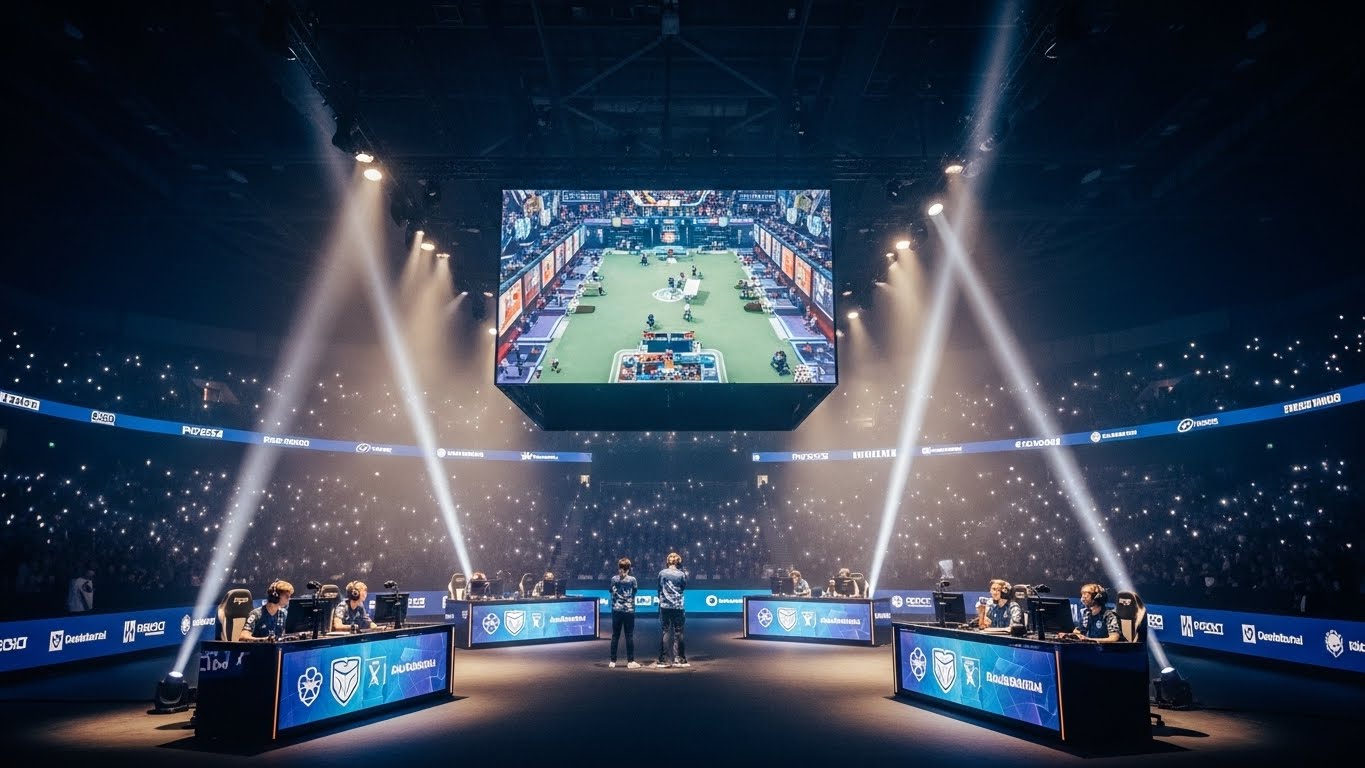
Esports events are often held in massive arenas, with fans cheering on their favorite players in person. These live events are accompanied by thrilling performances, fan meet-and-greets, and other forms of entertainment, creating an immersive experience for attendees. Major events like the “League of Legends” World Championship and “The International” attract thousands of fans, both in the arena and online, making esports one of the most accessible forms of global entertainment.
The Future of Esports
The future of esports looks incredibly promising. With increasing investments from both within and outside the gaming industry, esports is set to become a mainstream entertainment medium in the coming years. The rise of mobile gaming is another factor that will likely drive the growth of esports, as games like “PUBG Mobile” and “Clash Royale” open up new avenues for competitive gaming.
In addition to traditional esports titles, new technologies like virtual reality (VR) and augmented reality (AR) could change the way esports is experienced. VR and AR could provide more immersive and interactive experiences for both players and fans, further blurring the lines between the digital and physical worlds.
As esports continues to grow, it will likely face challenges, including issues related to player health, sustainability, and regulation. However, with its rapid expansion, global appeal, and cultural significance, esports is on track to become one of the most dominant forms of entertainment in the 21st century.
Conclusion
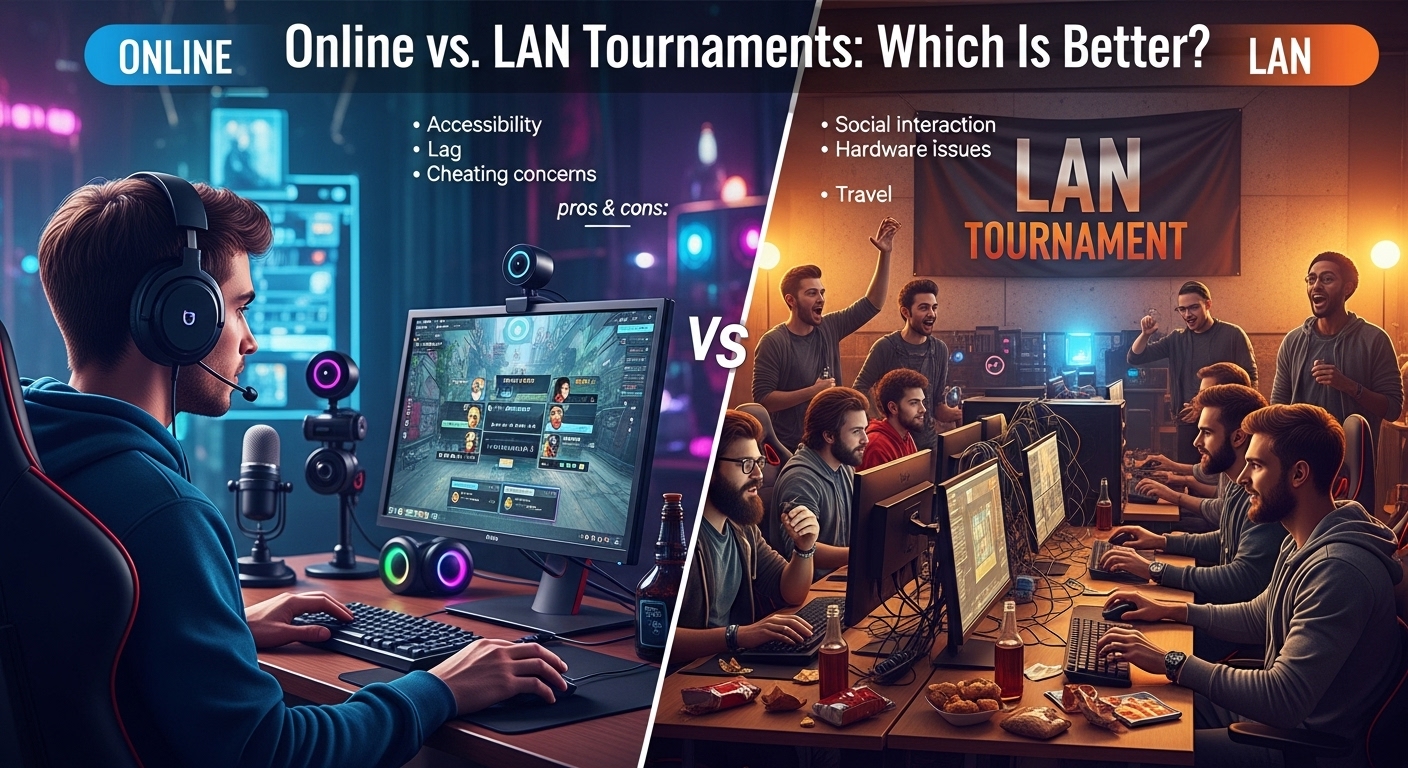
Esports has come a long way from its humble beginnings in arcades and LAN parties. Today, it is a thriving, multi-billion-dollar industry that rivals traditional sports in terms of viewership, revenue, and fan engagement. With its global reach, professionalization, and dedicated fanbase, esports is not just a passing trend but a cultural movement that is reshaping the landscape of entertainment. Whether you’re a player, a fan, or a brand looking to tap into a lucrative market, esports has firmly established itself as a force to be reckoned with, and its future is brighter than ever.