Introduction: The Rise of Competitive Gaming
Not long ago, video games were seen mainly as a hobby, something done after school or work to relax. Today, competitive gaming, widely known as esports, has transformed into a global phenomenon. Stadiums fill with cheering fans, millions watch live broadcasts online, and professional players sign contracts worth more than many traditional athletes ever see. Esports is no longer just about playing games; it is about competition, culture, business, and identity.
This blog explores how esports evolved, why it attracts such massive audiences, how players train and compete, and what the future may hold for this rapidly expanding industry.
Understanding Esports and Its Core Idea
Esports refers to organized, competitive video gaming where individuals or teams compete against each other in professional or semi-professional environments. These competitions can be local, regional, or international, often featuring structured leagues, tournaments, prize pools, and ranking systems.
Unlike casual gaming, esports demands discipline, strategy, teamwork, and high-level skill. Players specialize in specific games, roles, and strategies, dedicating years to mastering mechanics and decision-making. At its core, esports shares many similarities with traditional sports, including coaching staff, analysts, training schedules, and passionate fan bases.
A Brief History of Esports Growth
The roots of esports can be traced back to the early days of video games when small competitions were held in arcades and college campuses. As technology improved, internet connectivity allowed players to compete across long distances, giving rise to online tournaments.
The real turning point came with the growth of live streaming platforms and social media. Suddenly, anyone could watch professional players compete in real time. Developers also began supporting competitive scenes by hosting official tournaments and building ranking systems into their games. Over time, what started as niche communities evolved into structured ecosystems with global reach.
Popular Esports Genres and Games
Esports is not limited to one type of game. It spans multiple genres, each appealing to different audiences and play styles.
First-person shooters focus on aim, reflexes, and teamwork. Players must make split-second decisions while coordinating with teammates. These games often emphasize tactical play and map control.
Multiplayer online battle arena games are strategy-heavy and require strong communication. Teams work together to control objectives, manage resources, and outthink their opponents over longer matches.
Sports simulation games replicate real-world sports, allowing players to compete virtually in football, basketball, or racing. These titles attract fans of traditional sports who enjoy digital competition.
Fighting games focus on individual skill, timing, and deep knowledge of character mechanics. They often feature intense one-on-one battles and strong community-driven tournaments.
The Life of a Professional Esports Player
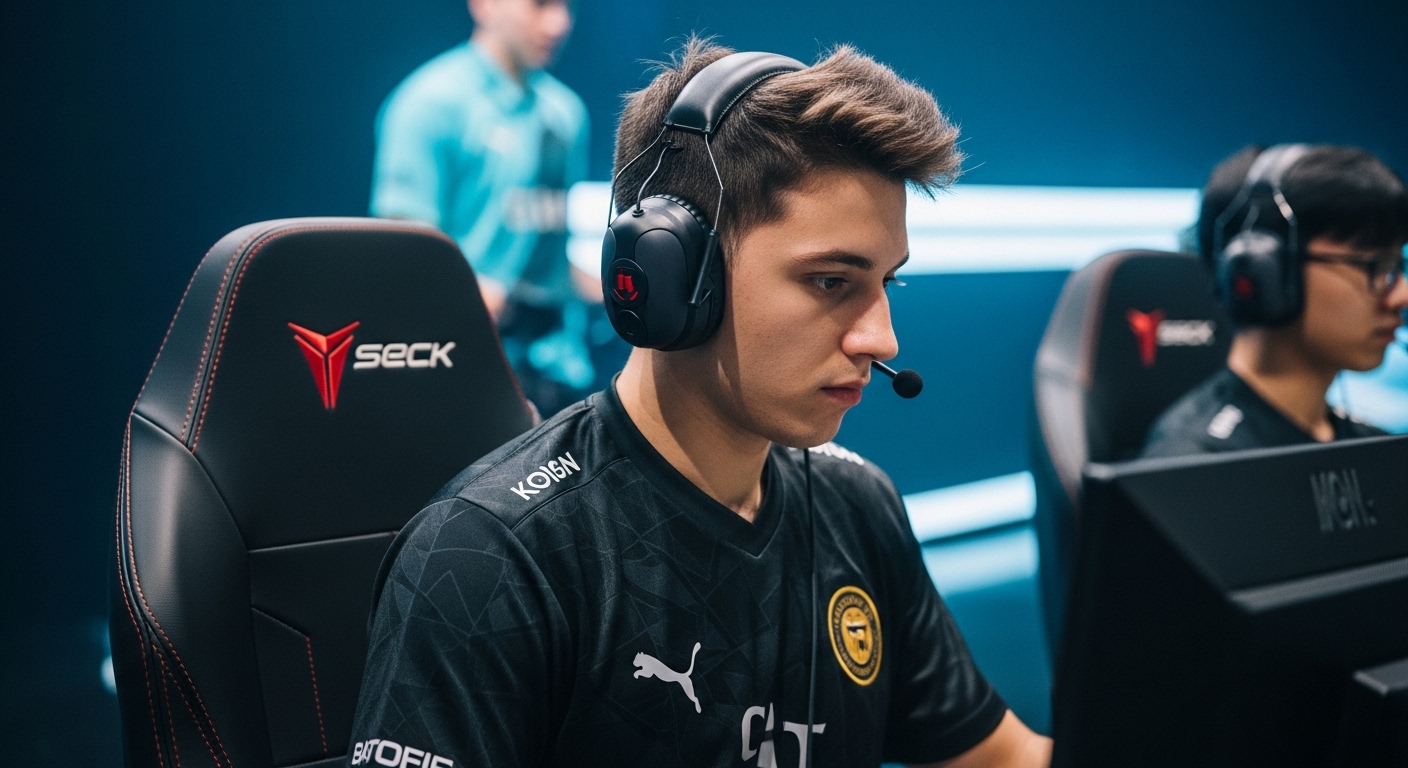
Becoming a professional esports player requires far more than simply being good at a game. Players often train for many hours a day, practicing mechanics, studying strategies, and reviewing gameplay footage. Team-based games involve scrimmages against other teams, communication drills, and coordination exercises.
Mental strength is just as important as physical skill. Players must handle pressure, adapt to changing strategies, and recover quickly from losses. Many teams now employ psychologists or mental performance coaches to help players maintain focus and confidence.
Physical health also matters. Long hours at a computer can strain the body, so professional teams emphasize proper posture, exercise, and balanced lifestyles. Nutrition, sleep, and recovery are increasingly recognized as essential parts of peak performance.
Teams, Organizations, and Leagues
Esports teams function much like traditional sports clubs. They recruit players, hire coaches and analysts, and manage branding and sponsorships. Some organizations compete across multiple games, building large fan bases and international recognition.
Leagues and tournament organizers provide structure to the competitive scene. Regular seasons, playoffs, and championships create storylines that keep fans engaged throughout the year. Franchised leagues offer stability by guaranteeing teams a permanent spot, while open tournaments allow new talent to rise through the ranks.
This structure has helped esports gain legitimacy, attracting investors, sponsors, and mainstream media attention.
The Role of Fans and Community
Fans are the heartbeat of esports. They follow teams, support favorite players, and engage in discussions across online platforms. Unlike traditional sports, esports fans often interact directly with players through live chats, social media, and streaming sessions.
Community involvement extends beyond watching matches. Fans create content, analyze strategies, design artwork, and organize local events. This strong sense of participation makes esports feel inclusive and dynamic, especially for younger generations.
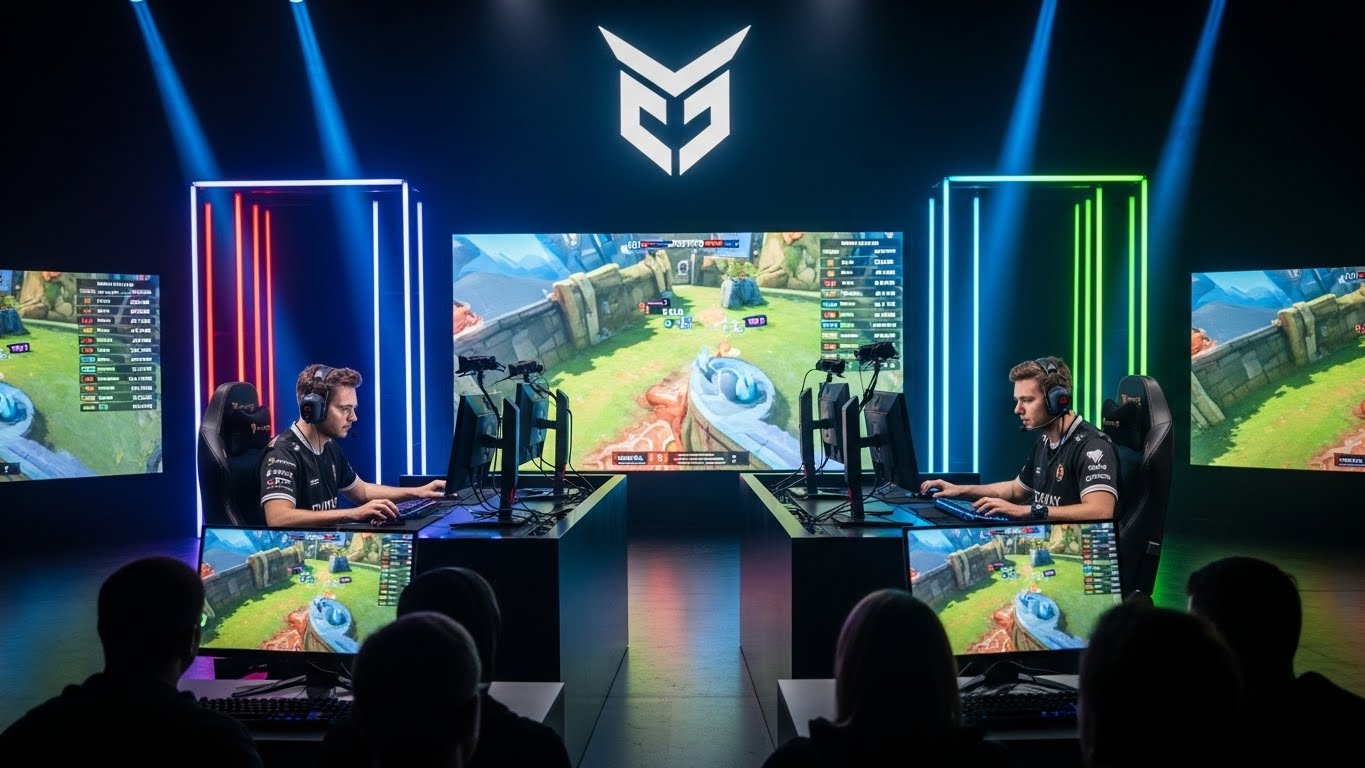
Live events amplify this energy. Crowded arenas, synchronized chants, and dramatic moments create unforgettable experiences that rival the excitement of any major sporting event.
Esports as a Business and Career Path
Esports has grown into a significant industry with diverse career opportunities. While professional players are the most visible figures, many other roles support the ecosystem. These include coaches, analysts, commentators, event organizers, marketers, graphic designers, and software developers.
Sponsorships and advertising play a major role in funding teams and tournaments. Brands from technology, fashion, food, and even automotive industries invest in esports to reach younger, digitally savvy audiences. Merchandise sales, media rights, and ticketed events further contribute to revenue streams.
For many, esports offers a viable career path that combines passion for gaming with professional growth.
Education and Esports
Educational institutions around the world are beginning to recognize esports as more than entertainment. Schools and universities now offer esports programs, scholarships, and dedicated facilities. These initiatives help students develop teamwork, leadership, and problem-solving skills.
Some programs also focus on game design, broadcasting, and esports management, preparing students for behind-the-scenes roles. By integrating esports into education, institutions validate gaming as a legitimate field of study and career development.
Challenges Facing the Esports Industry
Despite its success, esports faces several challenges. Player burnout is a common issue due to intense schedules and constant pressure to perform. Career longevity can be short, making post-retirement planning important.
Another challenge is maintaining fair competition. Cheating, match-fixing, and performance-enhancing software threaten the integrity of tournaments. Organizers must invest in strong rules, monitoring systems, and ethical standards.
Diversity and inclusion also remain ongoing concerns. While esports is global, not all communities have equal access to resources, opportunities, or representation. Addressing these issues is essential for sustainable growth.
The Future of Esports
The future of esports looks promising and expansive. Advances in technology will continue to enhance viewing experiences, making matches more immersive and interactive. Virtual and augmented reality may one day allow fans to feel as though they are inside the game itself.
Esports is also likely to further integrate with traditional sports and entertainment. Collaborations, cross-events, and shared venues could blur the lines between digital and physical competition.
As new games emerge and global connectivity improves, esports will reach even broader audiences. What was once considered a pastime is now shaping the future of sports, media, and culture.
Conclusion: More Than Just a Game
Esports represents a shift in how competition, entertainment, and community come together in the digital age. It is built on passion, skill, and innovation, driven by players and fans who believe in its potential.
From humble beginnings to global stages, esports has proven that games can be more than play. They can be careers, cultures, and powerful platforms for connection. As the industry continues to evolve, one thing is clear: esports is not a trend passing by, but a new arena that is here to stay.