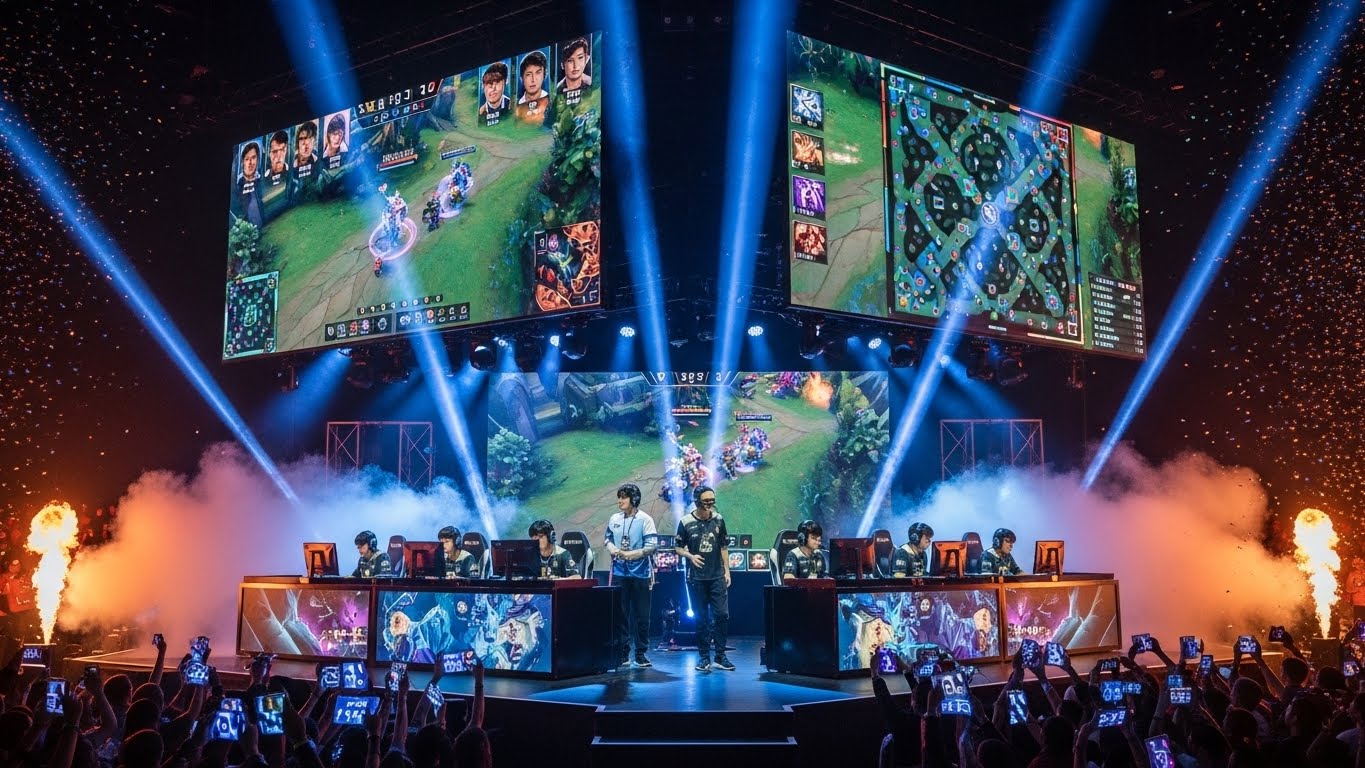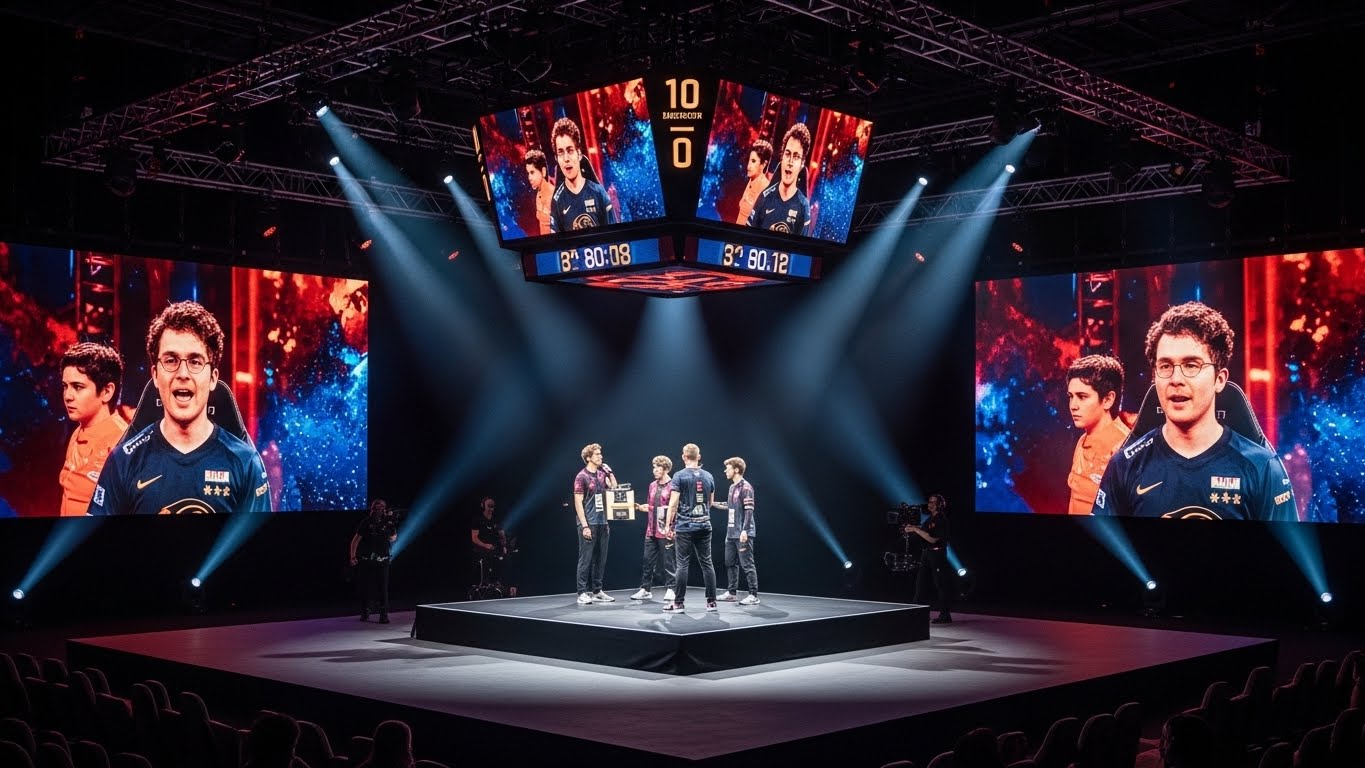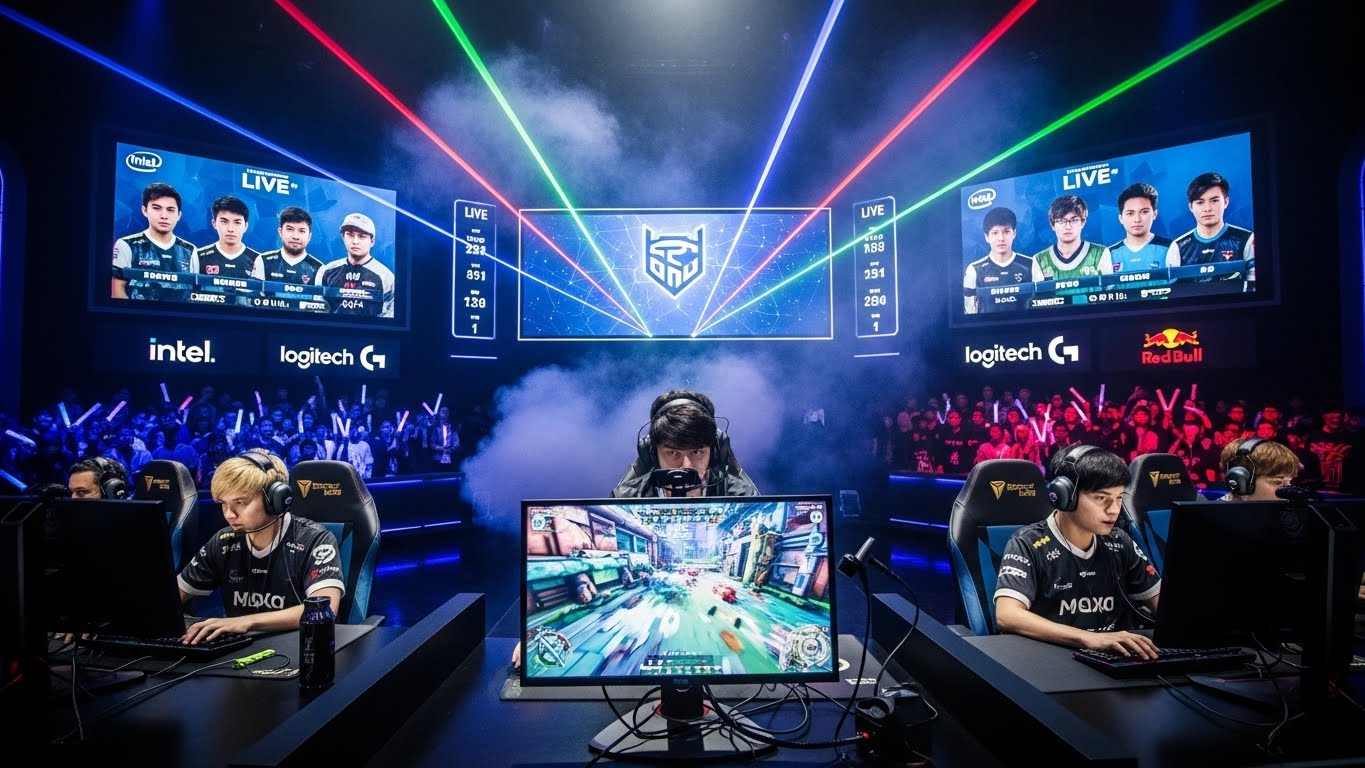
In the last decade, eSports has evolved from a niche pastime into a global phenomenon that attracts millions of viewers and professional players. What started as casual gaming among friends and small competitions has now become a structured, professional, and highly lucrative industry. eSports, short for electronic sports, involves organized competitive video gaming, ranging from strategy games and first-person shooters to sports simulations and battle arenas. This blog explores the rise of eSports, its cultural and economic impact, the professional ecosystem, and its future in the entertainment landscape.
The Origins of eSports
Competitive gaming has been around almost as long as video games themselves. In the late 1970s and early 1980s, arcade competitions and high-score challenges created early gaming communities. Games like Space Invaders, Pac-Man, and Donkey Kong encouraged players to test their skills against each other, laying the groundwork for competitive gaming.
The 1990s marked a turning point with the rise of PC gaming and networked multiplayer games. Titles like Doom, Quake, StarCraft, and Warcraft III allowed players to compete over local networks or online platforms. This era established the idea of organized competitions, with players forming communities, sharing strategies, and participating in tournaments that foreshadowed modern eSports.
The Rise of Professional Leagues
The 2000s brought professionalization to competitive gaming. Leagues such as the Cyberathlete Professional League and Major League Gaming provided structured competitions, official rules, and cash prizes. These developments allowed players to treat gaming as a career, attracting sponsorships and increasing media attention.
Modern eSports leagues now operate globally, with games like League of Legends, Dota 2, Counter-Strike, Fortnite, and Call of Duty dominating the competitive scene. These leagues feature regular seasons, playoffs, and world championships, resembling traditional sports structures. The professionalization of eSports has made it an industry where skill, strategy, and dedication are rewarded on a global scale.
Professional eSports Players
Professional eSports players are among the most disciplined athletes in the digital age. They follow rigorous training schedules, often practicing for eight to twelve hours a day, refining strategies, improving reflexes, and analyzing opponents. Mental conditioning, teamwork, and communication skills are critical to success at the highest levels.
Top-tier players compete for substantial prize pools. International tournaments for games like Dota 2’s The International and League of Legends World Championship offer millions of dollars in winnings. Beyond financial rewards, players gain global recognition, sponsorships, and brand partnerships. Professional eSports demands a combination of skill, focus, resilience, and strategic thinking, establishing it as a serious and respected competitive field.
eSports as a Spectator Sport
One of the most remarkable aspects of eSports is its appeal to spectators. Streaming platforms like Twitch, YouTube Gaming, and regional services allow millions of viewers to watch live competitions from anywhere in the world. Fans can interact with players, chat with other viewers, and follow tournaments in real-time, creating a highly engaging spectator experience.
Major eSports tournaments now attract stadium audiences alongside online viewers, mirroring traditional sports events. Professional commentary, expert analysis, and interactive features enhance the viewing experience, making fans feel connected to the action. The rise of eSports spectatorship demonstrates how competitive gaming has become a mainstream entertainment medium.
Technological Innovations Driving eSports
Technology is at the heart of eSports growth. High-performance computers, gaming consoles, fast internet connections, and advanced software allow players to compete at professional levels and audiences to stream events seamlessly. Game analytics, strategy tools, and AI-driven training programs provide teams with valuable insights to refine performance.
Emerging technologies like virtual reality and augmented reality are beginning to influence competitive gaming. These innovations promise new gameplay experiences, immersive environments, and interactive spectator options. Technology ensures that eSports remains dynamic, competitive, and continually evolving.
Economic Impact of eSports
The economic influence of eSports is significant. The industry generates revenue through tournament prize pools, sponsorships, advertising, merchandise, and streaming subscriptions. Major brands invest heavily in teams and events, recognizing the marketing potential of eSports’ global and engaged audience.
Beyond revenue, eSports contributes to job creation in event management, content production, broadcasting, and gaming technology. Universities and educational institutions have started offering eSports programs and scholarships, further legitimizing the industry. This economic ecosystem demonstrates how competitive gaming has developed into a sustainable and influential sector of global entertainment.
Social and Cultural Influence
eSports has a profound impact on culture and society. It fosters global communities, bringing together players and fans from diverse backgrounds. Online multiplayer games encourage teamwork, communication, and collaboration, creating strong social connections.
eSports challenges traditional ideas of sports and athleticism by emphasizing mental skill, strategy, and precision. The culture around eSports extends beyond gameplay, encompassing fan art, cosplay, streaming personalities, and interactive online communities. This cultural ecosystem has helped eSports gain mainstream recognition and social relevance.
Education and eSports
Educational institutions are increasingly integrating eSports into programs and extracurricular activities. Schools and universities offer scholarships, clubs, and competitive teams, teaching students valuable skills such as strategic thinking, problem-solving, teamwork, and leadership.
These programs also open career pathways in game design, event management, broadcasting, digital marketing, and software development. By recognizing the educational value of eSports, institutions help legitimize competitive gaming as both an academic and professional pursuit.
Challenges Facing eSports
Despite its growth, eSports faces several challenges. Regulatory issues, including cheating, match-fixing, and player contracts, require careful oversight. Professional players also face mental health concerns, burnout, and physical strain from long training sessions.
Inclusivity remains a challenge, as eSports communities continue to work toward greater diversity in gender, ethnicity, and socioeconomic representation. Balancing monetization with accessibility is also crucial to ensure that games remain enjoyable and fair for both players and audiences. Addressing these challenges is essential for sustainable growth and credibility.
The Future of eSports
The future of eSports is promising, driven by technological innovation and global expansion. Virtual reality, augmented reality, and mixed reality could redefine competitive gameplay, creating immersive and interactive experiences. Artificial intelligence will continue to enhance training, strategy, and audience engagement.
eSports is expected to expand into new regions, reaching audiences in emerging markets and establishing local professional leagues. Cross-platform integration will allow players and spectators to interact seamlessly across devices, fostering global communities. The industry is likely to see increased collaboration with traditional sports, media, and entertainment, creating hybrid experiences that appeal to broader audiences.
Conclusion
eSports has redefined what it means to compete and entertain in the digital age. From humble beginnings in arcades and small tournaments to a global professional industry, competitive gaming demonstrates the power of skill, strategy, and technology. Professional players, structured leagues, and international tournaments have established eSports as a legitimate career path and entertainment medium.
The cultural, social, and economic impact of eSports is profound. It fosters global communities, challenges conventional perceptions of sports, and provides opportunities for education and professional growth. As technology evolves and audiences expand, eSports will continue to innovate and shape the future of entertainment. Competitive gaming is no longer just a hobby; it is a thriving, dynamic, and transformative industry that reflects the evolving nature of human interaction, creativity, and entertainment in the 21st century.