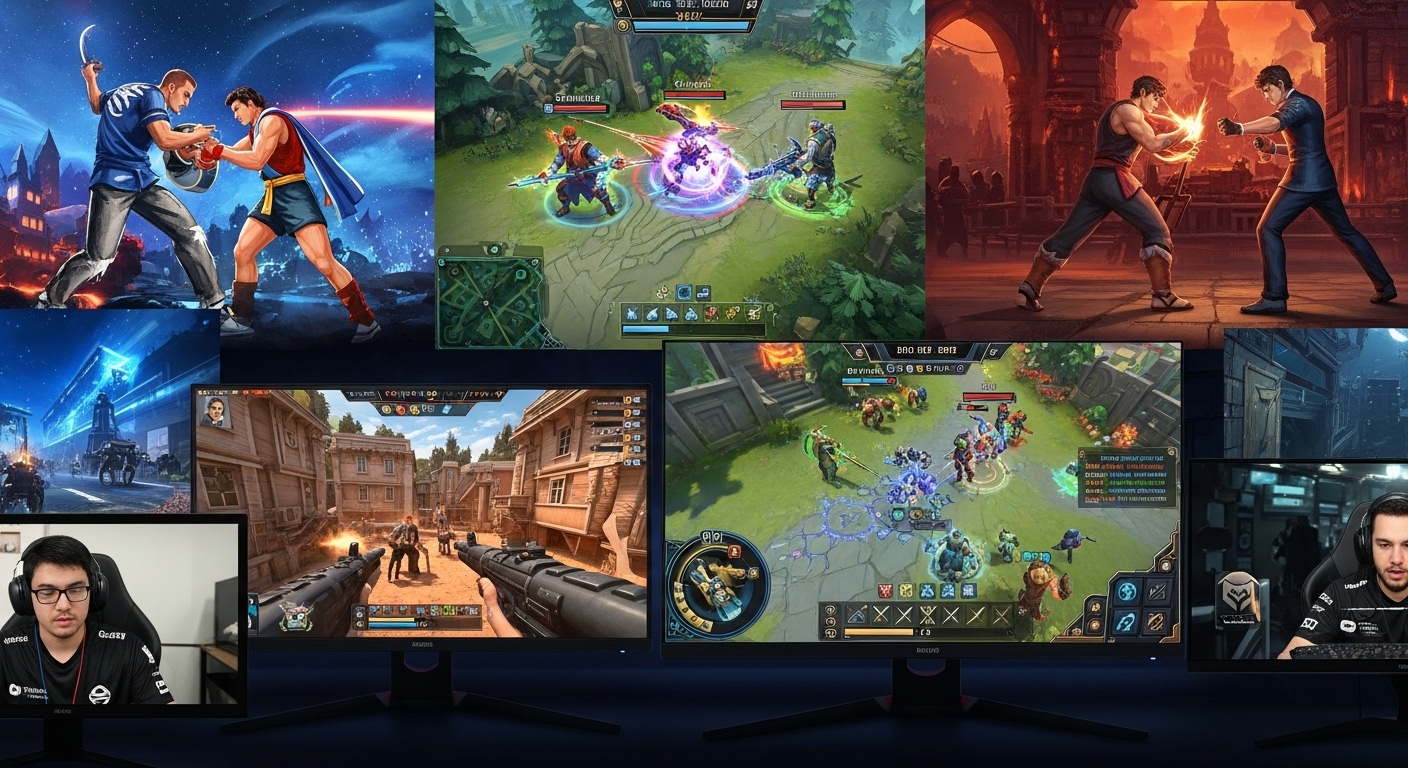
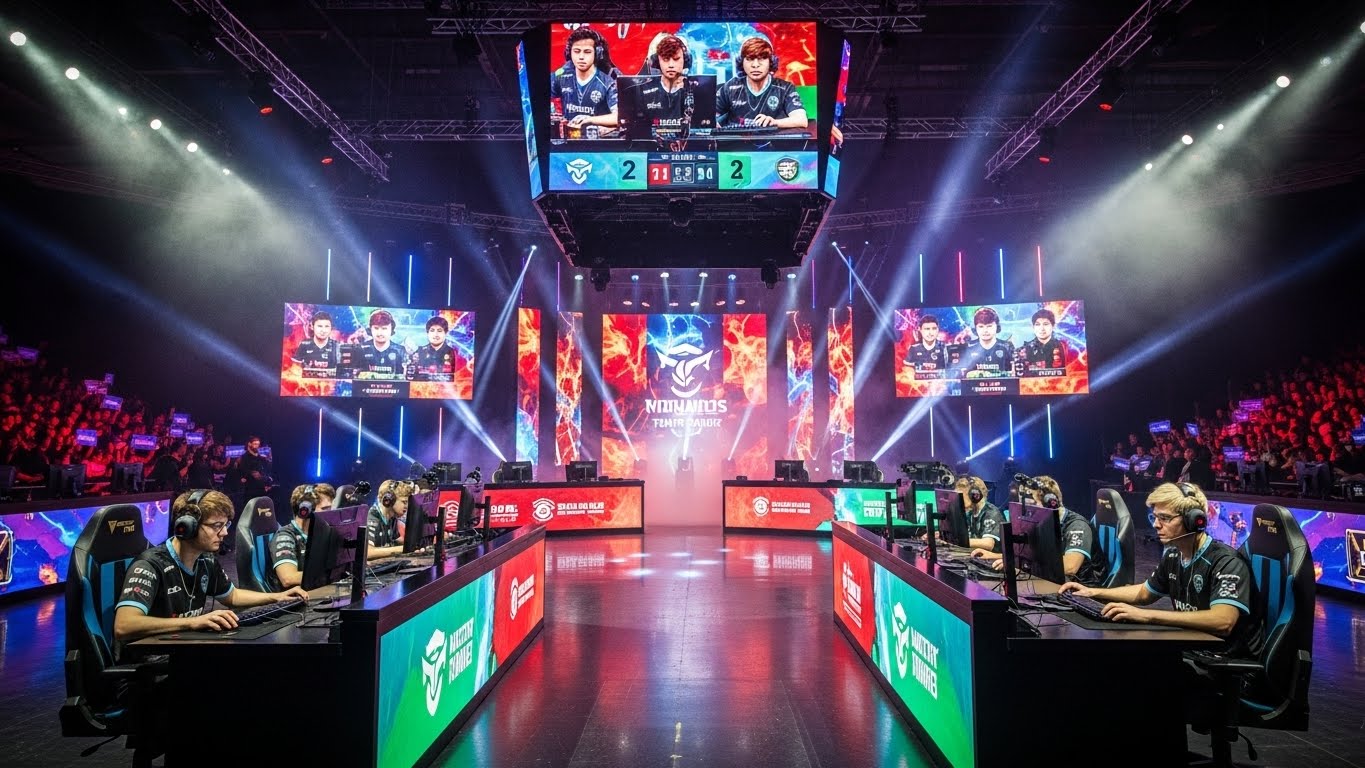
Esports, short for electronic sports, has transitioned from a niche activity to a global phenomenon, captivating millions of players and fans around the world. In its early days, the concept of competitive video gaming was seen as an oddity or hobby for a select few. However, over the last two decades, esports has transformed into a multi-billion-dollar industry, fueled by technological advancements, professional leagues, sponsorships, and an ever-growing online community. This blog post explores the evolution of esports, from its humble beginnings to its current status as one of the most popular forms of entertainment globally.
The Early Beginnings of Esports
The Birth of Competitive Gaming
The origins of esports can be traced back to the late 20th century, when video games began to move from arcades to home consoles and personal computers. The first competitive gaming events were modest, typically consisting of local tournaments or small-scale competitions hosted in arcades or gaming conventions. These early competitions were often unorganized and lacked the structure and financial backing that would later define esports.
One of the earliest examples of a competitive video gaming event was the Space Invaders Championship held in 1980 by Atari. This event attracted thousands of participants and marked the first instance of a video game tournament with a significant prize pool. However, esports as we know it today wouldn’t emerge until much later.
The Rise of LAN Parties and Online Competitions
As the internet began to proliferate in the 1990s, competitive gaming took a huge leap forward. The advent of local area network (LAN) parties allowed players to connect their computers together in the same physical space to compete in multiplayer games. These gatherings, while informal and primarily social in nature, laid the foundation for more organized competitive gaming.
Simultaneously, the internet enabled online multiplayer games, which further pushed the boundaries of competition. Games like Quake (1996) and StarCraft (1998) gained traction for their multiplayer capabilities, with communities forming around them and eventually giving rise to online tournaments.
The late 1990s and early 2000s also saw the formation of the first esports organizations and leagues. One of the most significant events of this era was the creation of the World Cyber Games (WCG) in 2000, which aimed to bring together the best gamers from around the world to compete in various video game titles. The WCG was a precursor to many of the professional leagues and tournaments that would follow, showcasing the potential for esports on a global stage.
The Growth of Esports in the 2000s
The Emergence of Major Games and Tournaments
As the 2000s progressed, esports began to gain momentum thanks to several key games and tournaments that would lay the foundation for the industry’s growth. Warcraft III, Counter-Strike, StarCraft: Brood War, and Dota (Defense of the Ancients) became staples in the esports scene, with competitive tournaments sprouting up around them. These games formed the backbone of esports leagues and attracted a growing number of players, viewers, and sponsors.
In 2001, Major League Gaming (MLG) was founded, marking one of the first major professional esports organizations in North America. MLG focused on console gaming, particularly titles like Halo and Call of Duty, helping to popularize competitive gaming in the United States. Similarly, The Electronic Sports World Cup (ESWC), launched in 2003, became another premier global event, further cementing the legitimacy of competitive video gaming.
Meanwhile, in South Korea, the Korean e-Sports Association (KeSPA) and the World Cyber Games helped elevate StarCraft to cult status. The country’s extensive broadband infrastructure, coupled with a strong gaming culture, made South Korea a hotspot for esports, particularly for games like StarCraft: Brood War. The rise of esports in Korea would serve as a model for other nations in the years to come.
The Role of Streaming Platforms
One of the most significant technological advancements that helped shape modern esports was the rise of streaming platforms. Services like Twitch (launched in 2011) revolutionized how esports was consumed. Players could now broadcast their gameplay in real time, allowing fans to watch their favorite gamers compete from the comfort of their own homes. Twitch provided a space for both casual and professional players to showcase their skills, interact with fans, and even earn money through advertisements and sponsorships.
Streaming also brought the concept of “viewership” to esports, as online broadcasts could be watched by millions of people around the world. This expanded the esports audience significantly, with fans no longer needing to be physically present at tournaments to watch the action unfold. The rise of platforms like Twitch, along with the proliferation of YouTube Gaming, ensured that esports content could reach global audiences with ease.
The Professionalization of Esports
Esports as a Career
As esports grew in popularity, it started to become a legitimate career path for players, coaches, analysts, and content creators. Competitive gaming was no longer just a hobby; it was a full-fledged industry with salaries, sponsorships, and opportunities for professional growth.
Players were now able to sign contracts with esports organizations, and large-scale tournaments offered significant prize pools. In 2011, The International (TI), a Dota 2 tournament, marked a turning point for the esports industry by offering a multi-million-dollar prize pool, with the winner taking home over $1 million. This event demonstrated the financial potential of esports and highlighted its shift from a fringe activity to a mainstream entertainment industry.
As a result, esports organizations began to professionalize, with players being treated like athletes, receiving coaching, travel accommodations, and salaries. At the same time, new positions emerged in esports, such as team managers, social media specialists, and broadcasters. Sponsorship deals with major companies like Red Bull, Intel, and Coca-Cola helped further legitimize esports as a mainstream industry, with brands recognizing the immense marketing potential of reaching the esports demographic.
The Rise of Esports Leagues and Global Competitions
During the mid-2010s, the esports scene became increasingly structured with the creation of major professional leagues and global tournaments. For example, League of Legends (LoL), developed by Riot Games, launched its first League of Legends World Championship in 2011. LoL quickly became one of the most popular esports titles in the world, and its professional league, the League of Legends Championship Series (LCS), became a major component of the esports landscape.
In 2013, The Overwatch League (OWL) was introduced by Blizzard Entertainment, marking the first attempt to establish a city-based franchise model in esports. This approach mirrored traditional sports leagues like the NBA or NFL, with teams representing specific cities. The OWL aimed to bring esports to a wider mainstream audience, and its success set the stage for other similar franchise-based leagues, such as Call of Duty League (CDL) and Rocket League Championship Series (RLCS).
In addition to these league-based competitions, global tournaments like The International (TI) for Dota 2, DreamHack, and the CS:GO Major Championships continued to grow in scope and importance, attracting millions of viewers and massive prize pools. Esports had firmly established itself as a spectator sport, with large arenas filled with fans and a booming online presence.
The Current State of Esports
Esports and the Mainstream
By the late 2010s and into the 2020s, esports had truly become a mainstream phenomenon. Major television networks like ESPN began airing esports tournaments, while mainstream celebrities and influencers started to take an interest in the space. Companies like Amazon and Google invested heavily in the industry, acquiring platforms like Twitch and YouTube Gaming. Additionally, traditional sports teams, such as NBA franchises, began to establish their own esports teams, recognizing the growing potential of the esports market.
Esports events began to draw audiences rivaling those of traditional sports. For example, the League of Legends World Championship 2018 attracted more than 100 million unique viewers, surpassing the viewership of the Super Bowl that same year. Similarly, The International 2019 had a prize pool of over $34 million, showcasing the immense financial potential of competitive gaming.
Esports is also increasingly being recognized as a legitimate career path for players. Top esports athletes now compete for salaries comparable to those of traditional athletes, and many have sponsorships from major global brands. With millions of fans tuning in regularly to watch their favorite players, esports has become an integral part of the entertainment ecosystem.
The Future of Esports
Looking ahead, the future of esports seems incredibly bright. The industry continues to grow, with new games, tournaments, and leagues emerging regularly. The rapid rise of mobile esports, particularly in regions like Asia, promises to further expand the reach of esports to a global audience. Additionally, technological advancements like virtual reality (VR) and augmented reality (AR) may bring about a new era of immersive esports experiences.
Esports is also beginning to integrate with traditional sports in ways never seen before. Collaborative events, such as the NBA 2K League, are becoming more common, bridging the gap between traditional and electronic sports. Moreover, esports is slowly finding its place in academic institutions, with many universities now offering scholarships and degrees in esports management, coaching, and game design.
Conclusion
Esports has come a long way since its humble beginnings in the arcades and LAN parties of the late 20th century. Today, it is a global industry with millions of players, fans, and professional organizations. Esports has not only created new opportunities for gamers but has also redefined what it means to be an athlete in the modern world. With its continued growth, esports will undoubtedly continue to shape the future of entertainment, technology, and culture for years to come.