Introduction
In every corner of the world, from the crowded streets of cities to the open fields of villages, one universal language connects people — sports. Whether it’s a cricket match in India, a soccer game in Brazil, or basketball in the United States, sports have always carried a unique ability to unite people beyond social, political, or cultural boundaries. Sports are more than physical contests; they are expressions of emotion, discipline, teamwork, and passion. They build character, teach resilience, and provide hope.
While the thrill of competition often takes center stage, the true power of sports lies in its deeper impact — shaping minds, strengthening communities, and promoting well-being. This blog explores the vast influence of sports on human life, from personal growth to global harmony.
The Roots of Sports in Human Civilization
Sports are as old as human civilization itself. Ancient records from Egypt, Greece, China, and the Indus Valley reveal that humans have always sought physical challenges. The Greeks turned athletics into art, honoring their gods through the Olympic Games. The Romans built arenas where gladiators fought for glory and survival. In Asia, martial arts were developed not only for defense but as philosophies of self-discipline and spiritual growth.
These early sports were more than recreation; they were reflections of society’s values. Strength, honor, and fairness were considered virtues. Competing in a sport meant testing one’s limits and earning respect. Over centuries, the nature of sports evolved — from survival and ritual to organized competition and entertainment — but their essence remained the same: to push the boundaries of human potential.
The Modern Age of Sports
The modern world has elevated sports into a global phenomenon. With the rise of mass media, international tournaments, and digital streaming, athletes have become icons, and teams have become symbols of pride for entire nations. Events like the FIFA World Cup, the Olympics, and the NBA Finals attract billions of viewers, uniting people across languages and borders.
Sports have also become powerful industries, driving economies through merchandise, sponsorships, and tourism. Cities compete fiercely to host mega-events, knowing the economic and cultural prestige they bring. Yet, amidst the glamour, the essence of sports remains grounded in the same timeless principles: competition, teamwork, and perseverance.
The Role of Sports in Personal Development
Sports are not just about winning medals or breaking records; they are about building character. Every athlete knows that success is born not on the podium but in the practice field — through sweat, failure, and repetition. Sports teach lessons that textbooks cannot: the value of time, the importance of consistency, and the grace to accept defeat.
Discipline is the cornerstone of athletic growth. A sprinter wakes before dawn to train, a swimmer spends hours perfecting each stroke, and a footballer repeats drills until muscle memory takes over. This relentless pursuit of improvement translates into every aspect of life. Those who engage in sports often develop stronger mental focus, emotional control, and resilience — qualities that serve them long after their playing days are over.
Moreover, sports help people understand balance. Victory feels rewarding because defeat exists. Failure becomes not a stopping point but a stepping stone. This mindset nurtures humility and determination, qualities essential for success in any field.
Team Sports and the Spirit of Unity
Few experiences are as powerful as the camaraderie of a team. Team sports — such as football, volleyball, or hockey — embody the essence of collaboration. Players learn to trust each other, to communicate without words, and to sacrifice personal glory for the greater good of the group. A well-functioning team mirrors an ideal society: each member plays a unique role, yet all work toward a common goal.
Team sports also bridge divides. Within a team, differences in background, culture, or belief fade away. What matters is shared purpose. This unity extends beyond the field, fostering understanding among communities and nations. It is not unusual for people who once saw each other as rivals to find friendship through a shared love for a game.
The teamwork cultivated in sports transcends the boundary of the stadium. In workplaces, schools, and families, the same principles apply. Cooperation, respect, and communication — all learned on the playing field — become foundations for successful human interaction.
The Mental Health Benefits of Sports
Modern life, with its digital overload and constant pressure, has given rise to stress, anxiety, and isolation. Here, sports offer a natural remedy. Physical activity stimulates the production of endorphins — the body’s natural mood lifters. Regular exercise improves sleep, reduces stress, and boosts self-confidence.
Beyond biology, sports create a sense of belonging. Whether playing in a neighborhood team or joining a weekend cycling group, people feel connected. The sense of community that comes from shared goals and experiences helps combat loneliness and depression.
Athletes also learn mindfulness — the art of being present. When you run, your mind focuses on your breathing, your stride, your heartbeat. When you play tennis, the world shrinks to the ball and racket. This state of flow brings mental clarity and peace, something increasingly rare in today’s fast-paced world.
Sports and Youth Development
For young people, sports are not just a pastime; they are a school of life. Children who engage in sports learn discipline early. They discover the importance of practice, punctuality, and teamwork. More importantly, sports give youth an outlet for energy and emotion, channeling aggression into ambition.
Sports also help build identity and self-esteem. A shy student might find confidence in scoring a goal or mastering a new skill. For many underprivileged children, sports can be a path out of poverty, offering scholarships and opportunities that transform lives.
Schools that integrate sports into their curriculum often see improved academic performance, as physical activity enhances focus and cognitive function. The leadership and problem-solving skills learned through sports prepare young minds for challenges beyond the classroom.
The Role of Sports in Gender Equality
Historically, women faced immense barriers in sports, often restricted to sidelines or excluded entirely. But over time, the narrative has changed. Pioneering athletes broke stereotypes and proved that strength, skill, and determination know no gender. From Serena Williams dominating tennis courts to Megan Rapinoe leading soccer reforms, women have redefined athletic excellence.
Sports have become a platform for empowerment. When young girls see female athletes excelling, they gain confidence in their own abilities. Participation in sports also reduces gender bias, as teamwork emphasizes merit over stereotypes.
However, challenges remain — from unequal pay to lack of visibility. True equality in sports requires continued effort: providing resources, coverage, and respect equally to all athletes. When achieved, it not only strengthens the world of sports but also sends a powerful message of fairness to society.
The Economic Impact of Sports
The business side of sports is staggering. From local tournaments to global leagues, sports fuel economies. Stadium construction, merchandise sales, broadcasting rights, and sponsorships generate billions in revenue. Cities hosting major events experience boosts in tourism and infrastructure development.
Sports also create employment opportunities in coaching, physiotherapy, journalism, marketing, and technology. Beyond economics, they shape a nation’s image. Countries that invest in sports often project unity, energy, and ambition.
However, commercialization brings both opportunities and risks. The pressure to win can sometimes lead to corruption or exploitation. Balancing profit with ethics remains one of the most critical challenges in modern sports management.
Sports as a Tool for Social Change
Sports possess an unmatched ability to influence hearts and minds. Throughout history, athletes have used their platforms to advocate for justice and equality. Muhammad Ali stood against racial discrimination. Nelson Mandela used rugby to unite post-apartheid South Africa. Today, athletes continue to speak out against racism, inequality, and violence.
Community sports programs also play a vital role in rehabilitation and social integration. They give hope to marginalized youth, create safe spaces in conflict zones, and foster understanding among diverse groups. The discipline and teamwork learned through sports can transform lives — turning frustration into focus, and despair into determination.
The Relationship Between Sports and Technology
The fusion of sports and technology has revolutionized how we play and watch. Data analytics help coaches design strategies with precision. Wearable devices track performance in real time. Artificial intelligence predicts injury risks and optimizes training plans.
Fans, too, experience sports differently. Virtual reality allows immersive experiences, while streaming platforms make every game accessible globally. Social media connects athletes directly with supporters, building personal bonds that were unimaginable decades ago.
However, technology also raises ethical questions — such as data privacy and performance enhancement. As innovation continues, maintaining fairness and authenticity in competition remains essential.
Sports and National Identity
Nothing evokes patriotism like seeing one’s flag raised after a hard-fought victory. International competitions often become emotional stages where athletes represent not just themselves but their entire nation. The success of a national team can unite a country in ways few other events can.
For developing nations, sporting triumphs symbolize progress and possibility. They inspire new generations and instill pride. At the same time, defeats remind societies of humility and resilience — that success requires persistence and unity.
Sports also foster diplomacy. Friendly matches and global tournaments encourage peaceful interactions between nations. They remind us that competition can coexist with respect, and rivalry can breed friendship.
The Ethics of Competition
While sports celebrate human excellence, they also test integrity. Doping scandals, match-fixing, and cheating threaten the credibility of competitions. When winning becomes more important than playing fair, the spirit of sportsmanship suffers.
True athletes understand that the greatest victory is not over opponents but over one’s weaknesses. The ethics of sports — honesty, respect, and discipline — must always outweigh the pursuit of fame or wealth. Upholding these values ensures that sports remain a symbol of humanity’s best, not its flaws.
The Future of Sports
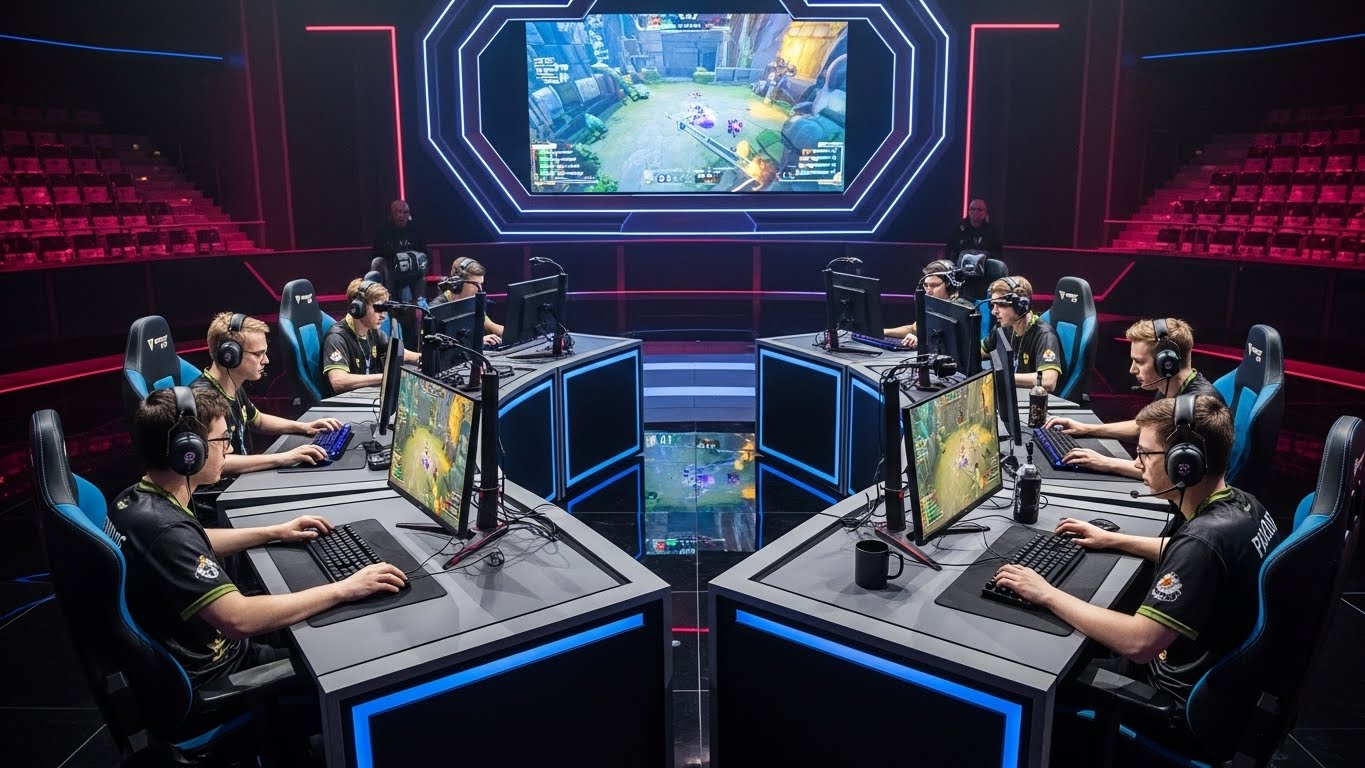
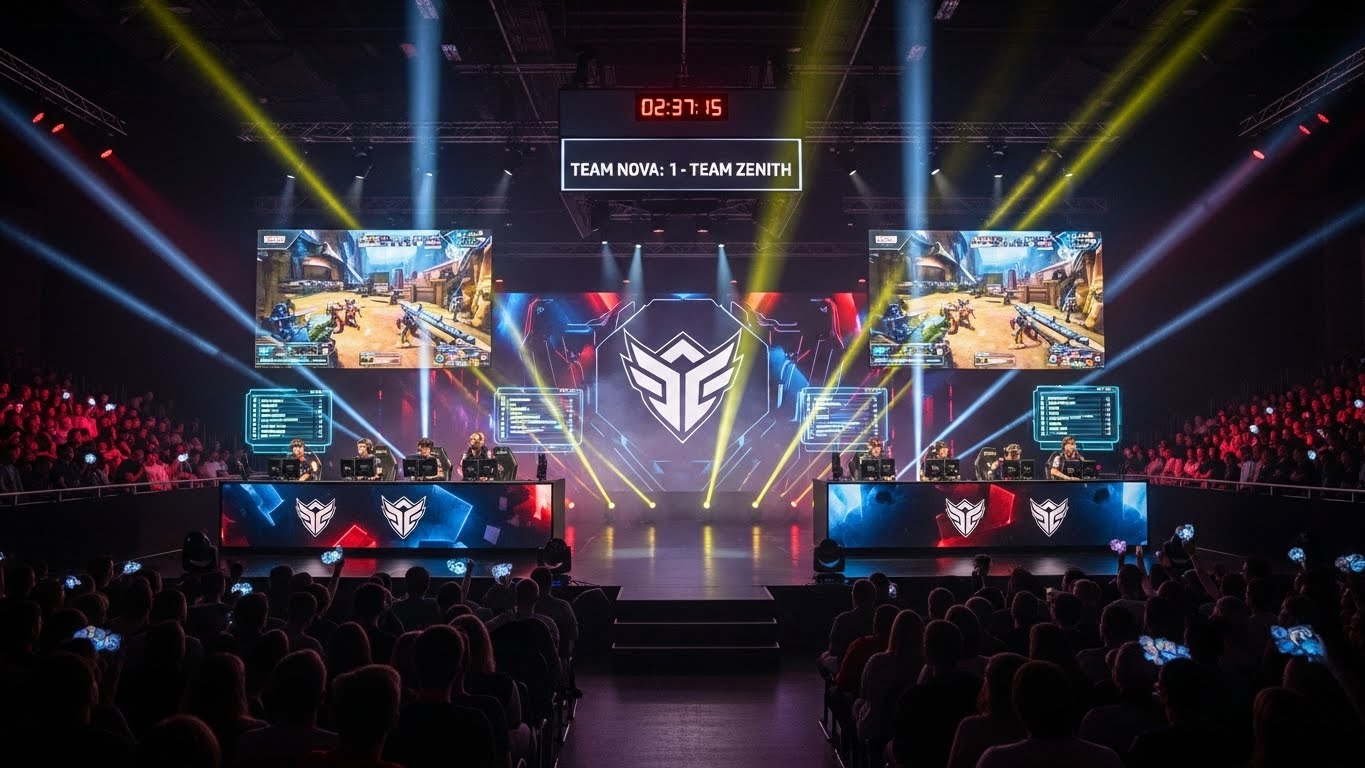
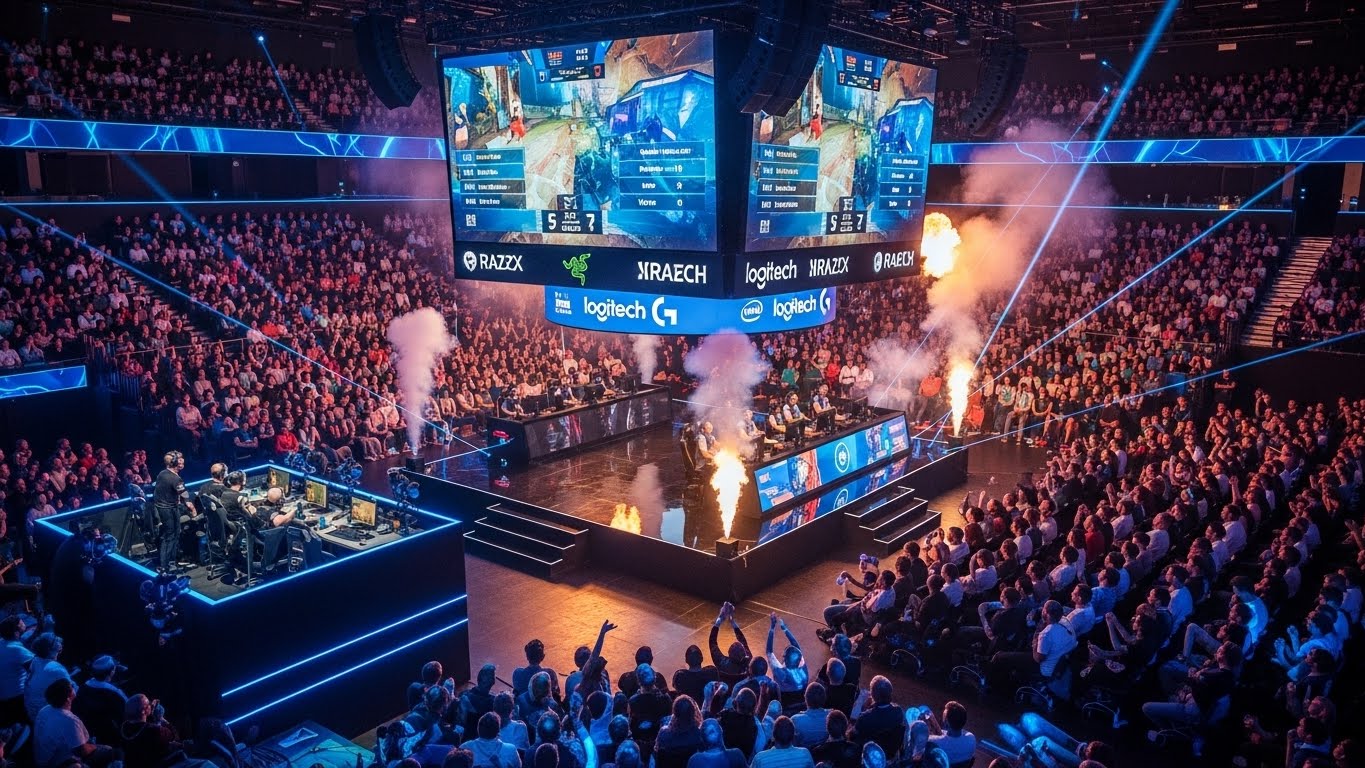
As we move into an increasingly digital age, sports will continue to evolve. Esports have emerged as a legitimate form of competition, blending gaming with traditional athletic values of strategy, focus, and skill. Virtual and augmented reality may redefine how we train and spectate.
At the same time, sustainability has become a pressing concern. From eco-friendly stadiums to responsible event management, the sports industry must adapt to protect the environment. The goal is to ensure that future generations can enjoy both the thrill of competition and the beauty of the planet that hosts it.
Inclusivity will also shape the next era of sports. Adaptive games for differently-abled athletes, gender-neutral leagues, and global youth programs are breaking barriers. The next chapter of sports will not be defined merely by speed or strength, but by empathy, equality, and innovation.
Conclusion
Sports are not merely games; they are reflections of who we are and what we aspire to be. They test our limits, reveal our character, and connect us in shared joy and sorrow. From local playgrounds to grand stadiums, sports continue to inspire stories of courage, redemption, and unity.
In a world often divided by politics, culture, or belief, sports remind us of our common humanity. The sound of a crowd cheering, the rush of adrenaline before the final whistle, the handshake between opponents — these are not just moments of competition but of connection.
Sports will always be more than physical exertion. They are a celebration of life itself — a reminder that even in struggle, there is beauty; even in defeat, there is growth; and even in rivalry, there is respect. The field, the court, the track — they are not battlegrounds, but meeting grounds for the best of what humanity can achieve together.